FollowHook Health - Page 3
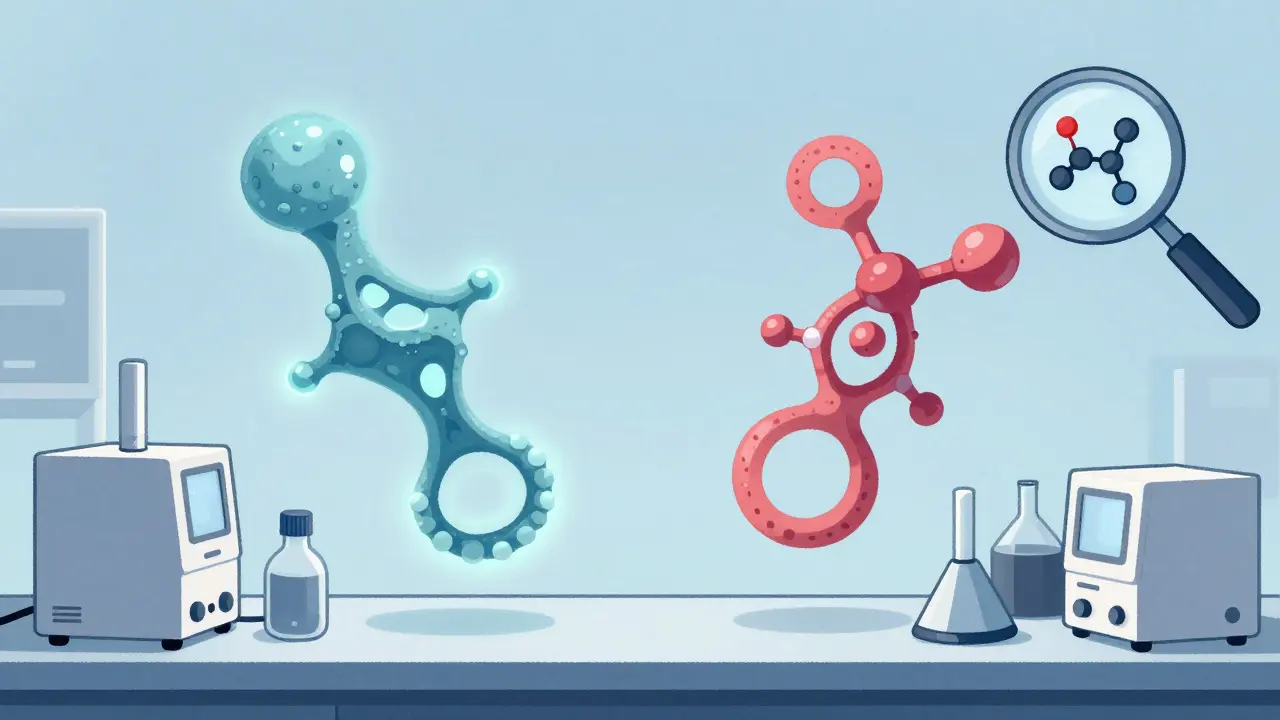
Biosimilar Approval: How the FDA Reviews Biologic Alternatives in 2026
The FDA's 2025 update to biosimilar approval rules is speeding up access to cheaper biologic drugs. Learn how analytical data now replaces costly clinical trials, what interchangeability really means, and why this change could save the U.S. healthcare system billions.
View More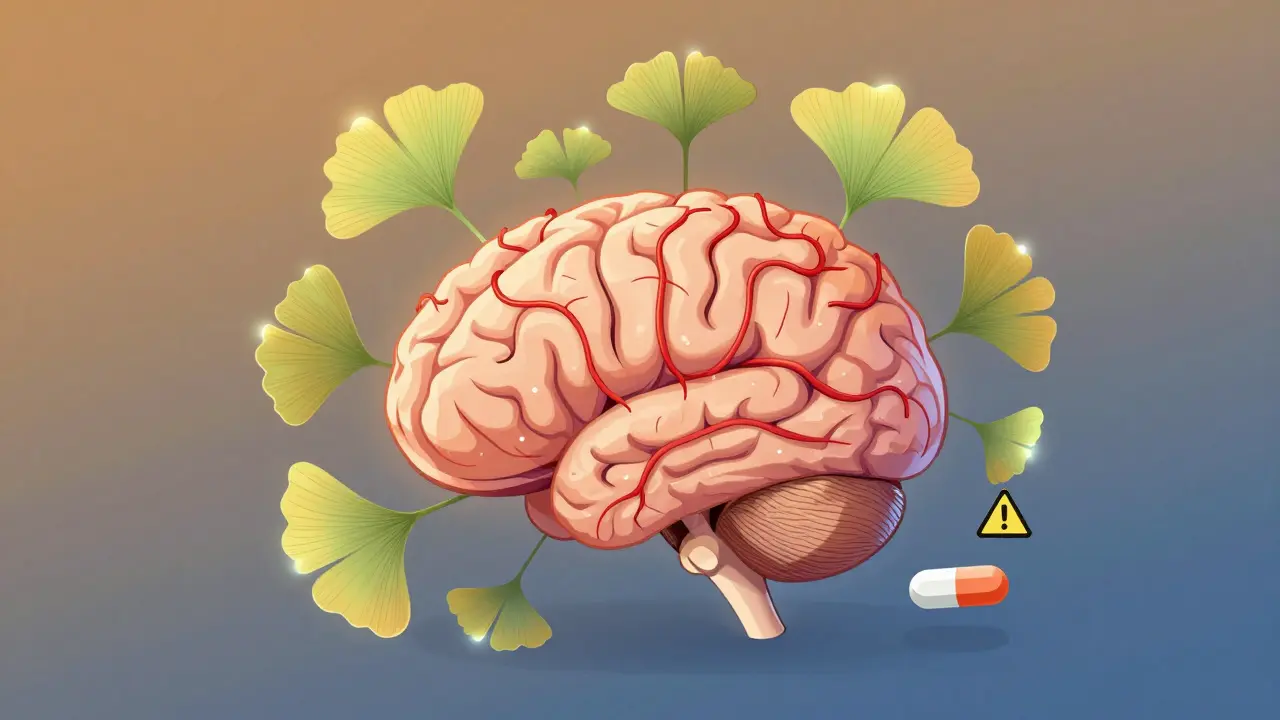
Ginkgo Biloba and Blood Thinner Interactions: What You Need to Know
Ginkgo biloba may increase bleeding risk when taken with blood thinners like warfarin, aspirin, or clopidogrel. While some studies say it's safe, others report serious bleeding events. Here's what you need to know before combining them.
View More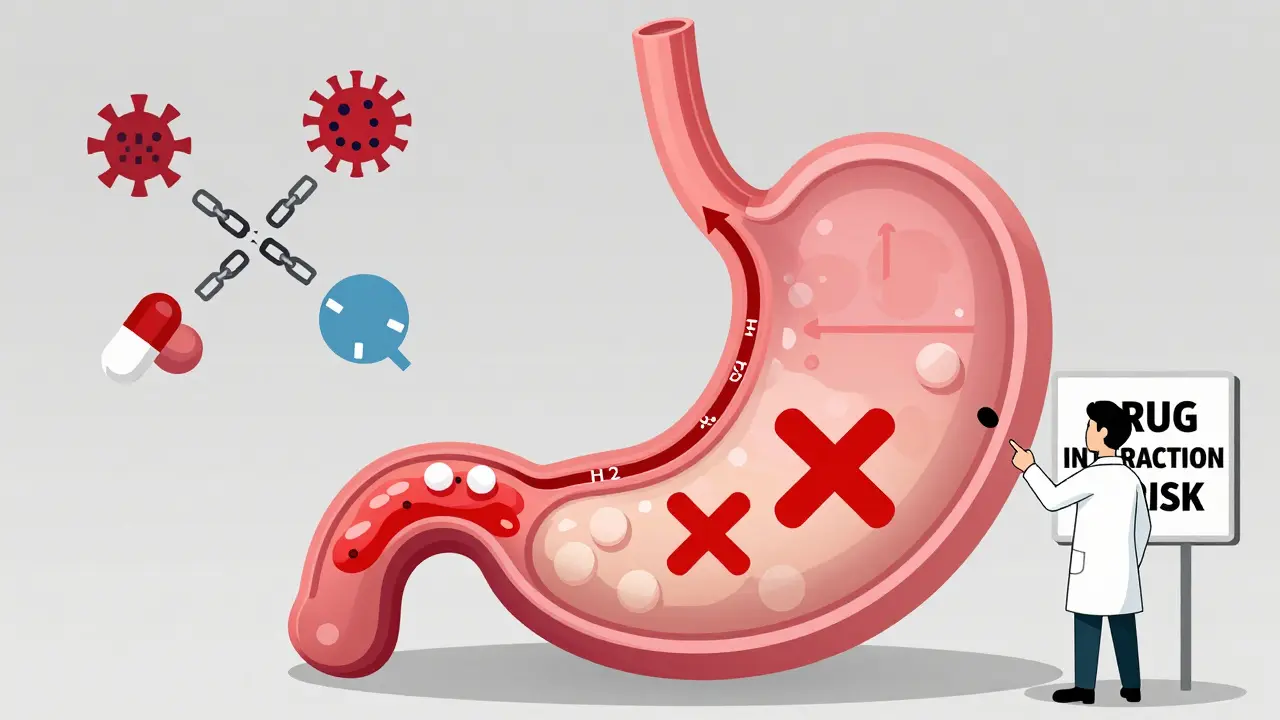
Acid-Reducing Medications: How They Interfere with Other Drugs
Acid-reducing medications like PPIs and H2 blockers can seriously interfere with the absorption of other drugs, leading to treatment failure. Learn which medications are at risk and how to protect yourself.
View More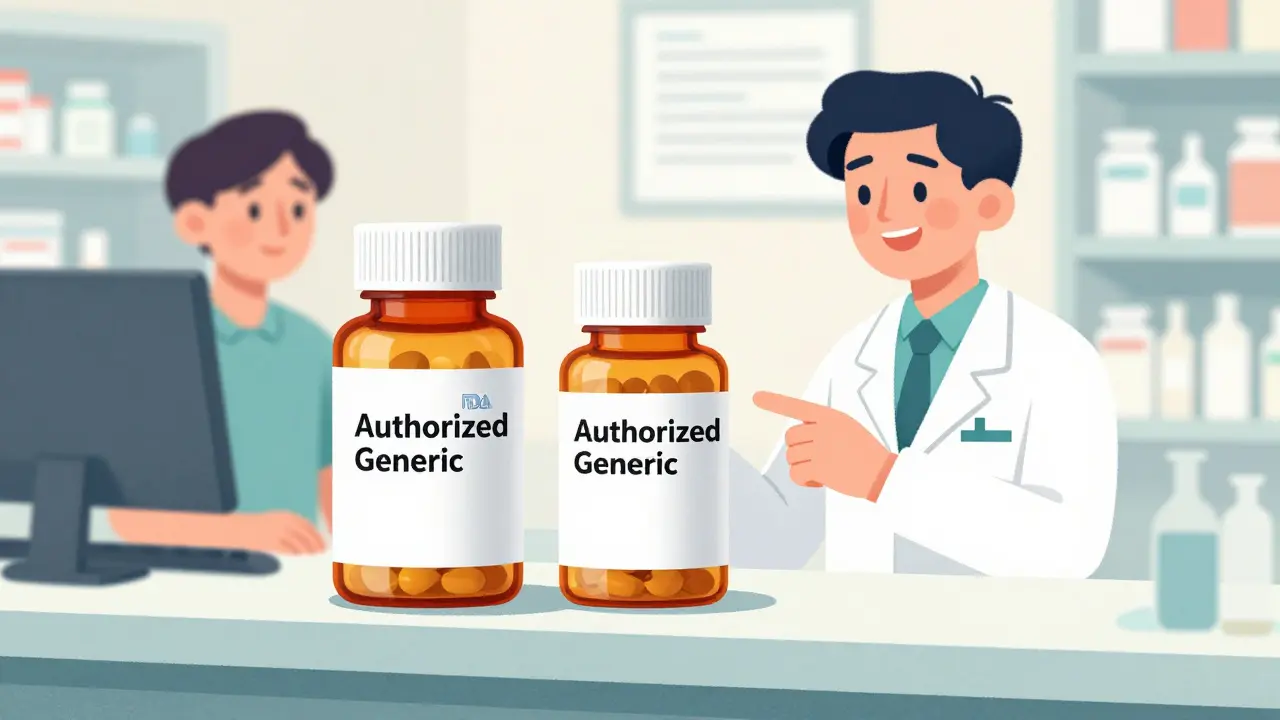
Insurance Coverage of Authorized Generics: How Formulary Placement Affects Costs and Access
Authorized generics offer brand-name drug effectiveness at generic prices. Learn how insurance formularies cover them, why they matter for patient safety, and how to get the best coverage in 2026.
View More
How to Stay Informed About Global Medication Safety News
Learn how to track global medication safety updates through WHO, UMC, Yellow Card, and ISMP. Discover how to report side effects, follow key campaigns, and use free tools to protect yourself and others.
View More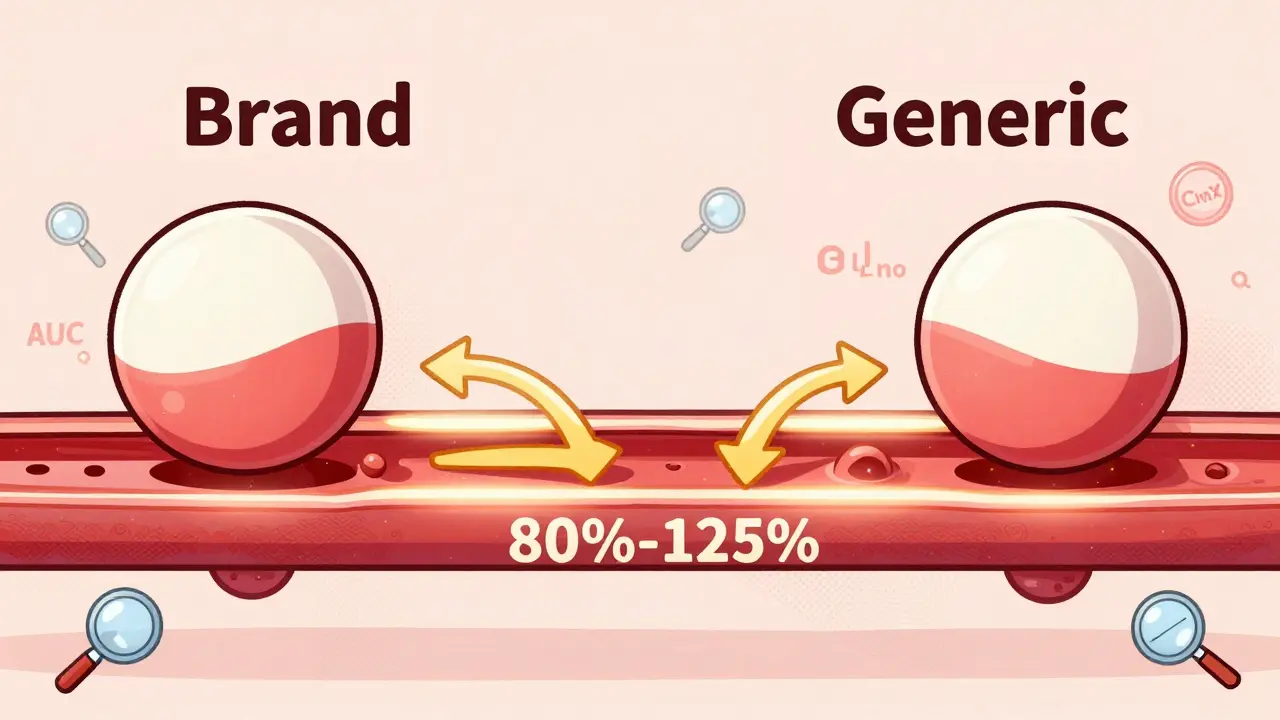
Bioequivalence and Patient Safety: Why Testing Ensures Safe Generic Medications
Bioequivalence testing ensures generic drugs work the same as brand-name versions, protecting patient safety while cutting costs. Learn how science, regulation, and real-world data confirm their reliability.
View More
Refractive Errors Explained: Myopia, Hyperopia, and Astigmatism Correction Options
Understand myopia, hyperopia, and astigmatism-what causes them, how they’re corrected, and the latest options like Ortho-K and LASIK. Learn what works best for you.
View More
Rheumatoid Arthritis: Understanding Autoimmune Joint Damage and Modern Biologic Treatments
Rheumatoid arthritis is an autoimmune disease that attacks joints and can cause lasting damage. Biologic therapies target the immune system to reduce inflammation and prevent joint destruction. Learn how these treatments work, their risks, costs, and what’s new in 2026.
View More
St. John’s Wort and Prescription Drugs: What You Need to Know About Dangerous Interactions
St. John's Wort may help with mild depression, but it can dangerously reduce the effectiveness of birth control, transplant drugs, blood thinners, and antidepressants. Learn which medications it interacts with and why it's not safe for most people on prescriptions.
View More
Corticosteroid Taper: How to Reduce Withdrawal Symptoms Safely
Learn how to safely taper off corticosteroids like prednisone to avoid withdrawal symptoms, adrenal insufficiency, and disease flares. Evidence-based strategies for a smoother recovery.
View More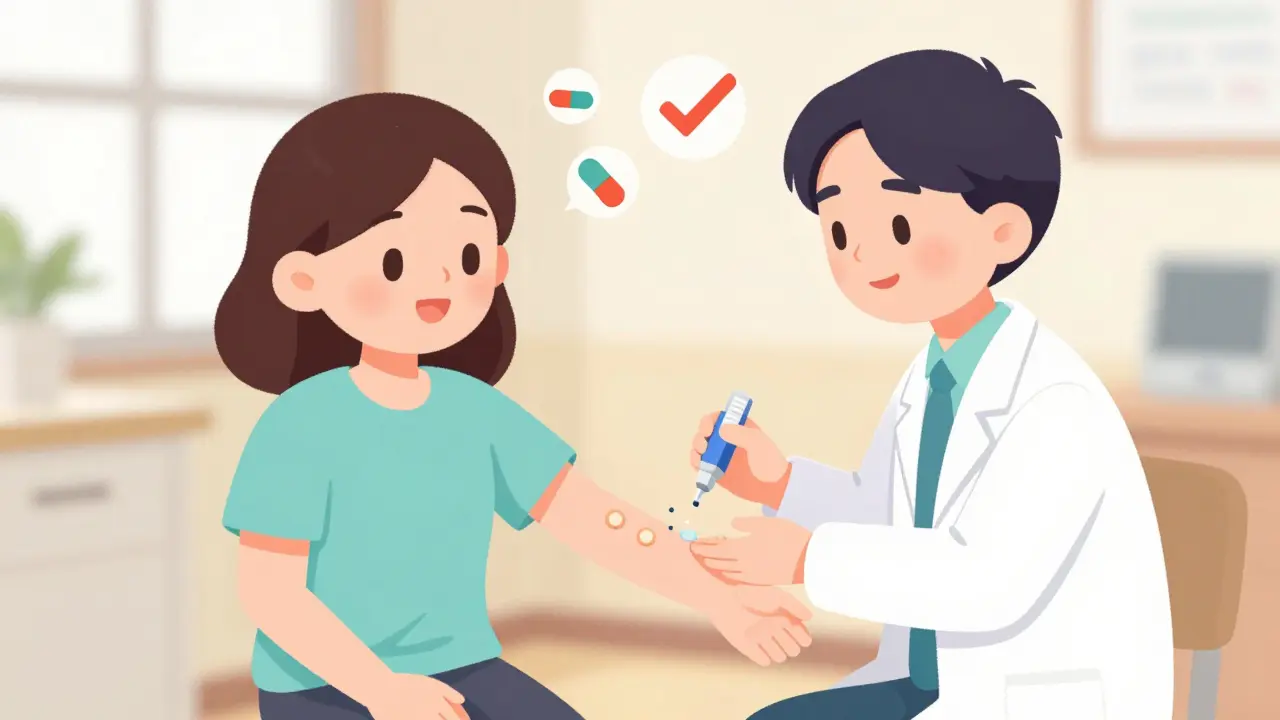
Drug Allergy Skin Testing Explained for Patients
Drug allergy skin testing helps determine if you're truly allergic to medications like penicillin. Learn how it works, what to expect, and why it's the best way to avoid unnecessary drug restrictions.
View More
How Natural Disasters Cause Drug Shortages: Climate Risks to Medicines
Natural disasters like hurricanes and floods are causing life-threatening drug shortages by damaging concentrated pharmaceutical manufacturing sites. Climate change is making these disruptions more frequent and severe, putting millions of patients at risk.
View MoreLatest Posts