Category: Health Information - Page 4
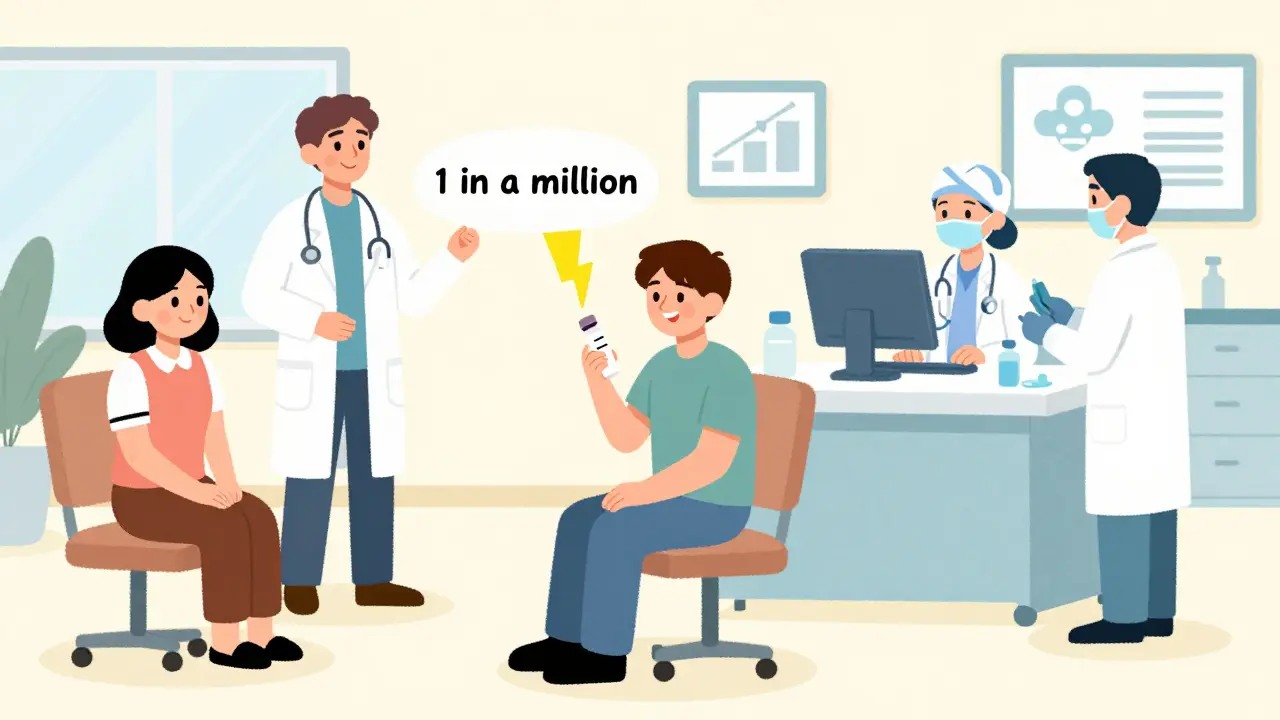
Vaccine Allergic Reactions: What You Need to Know About Rare Risks and How Safety Is Monitored
Vaccine allergic reactions are extremely rare, occurring in about 1 in a million doses. Learn what causes them, who’s at risk, how they’re monitored, and why vaccination remains one of the safest medical interventions.
View More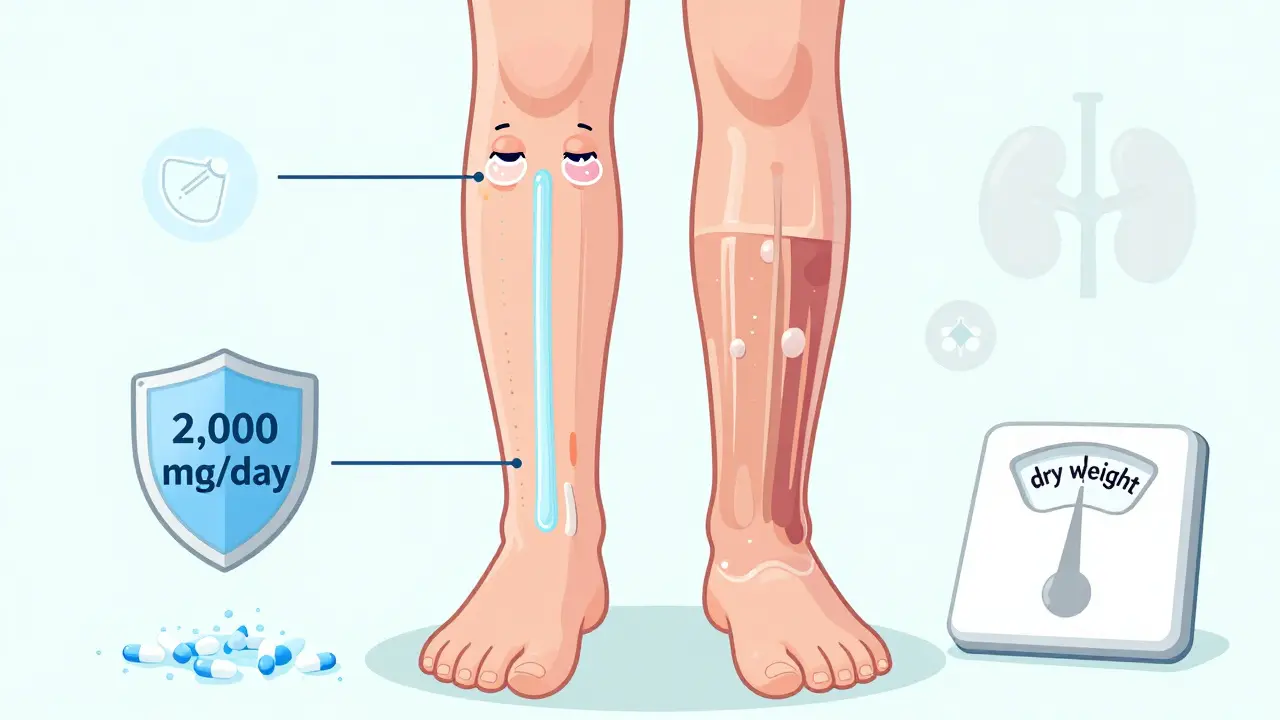
Edema in CKD: How Diuretics, Salt Restriction, and Compression Therapy Work Together
Edema in chronic kidney disease is caused by fluid buildup due to poor sodium control. Learn how diuretics, strict salt limits, and compression therapy work together to manage swelling safely and effectively.
View More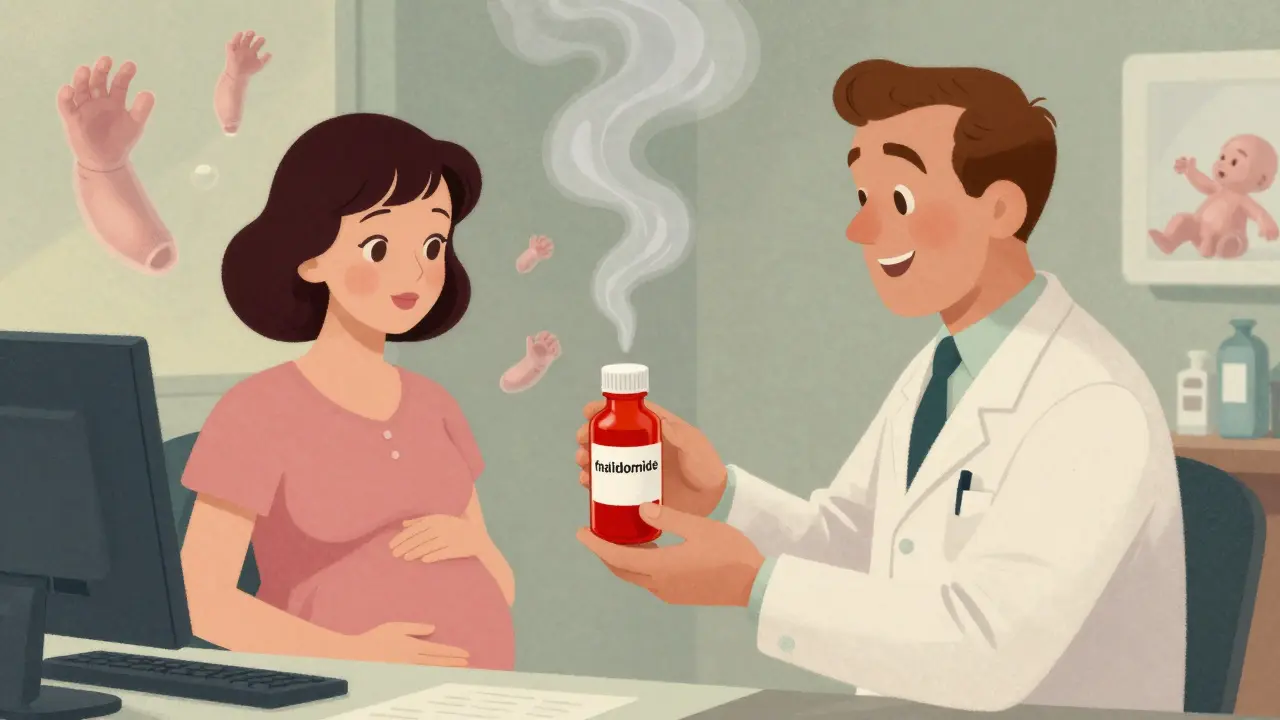
Thalidomide and Teratogenic Medications: A History of Tragedy and Medical Reform
Thalidomide caused over 10,000 birth defects in the 1950s and 60s, leading to global drug safety reforms. Today, it's a controlled cancer treatment with strict pregnancy safeguards.
View More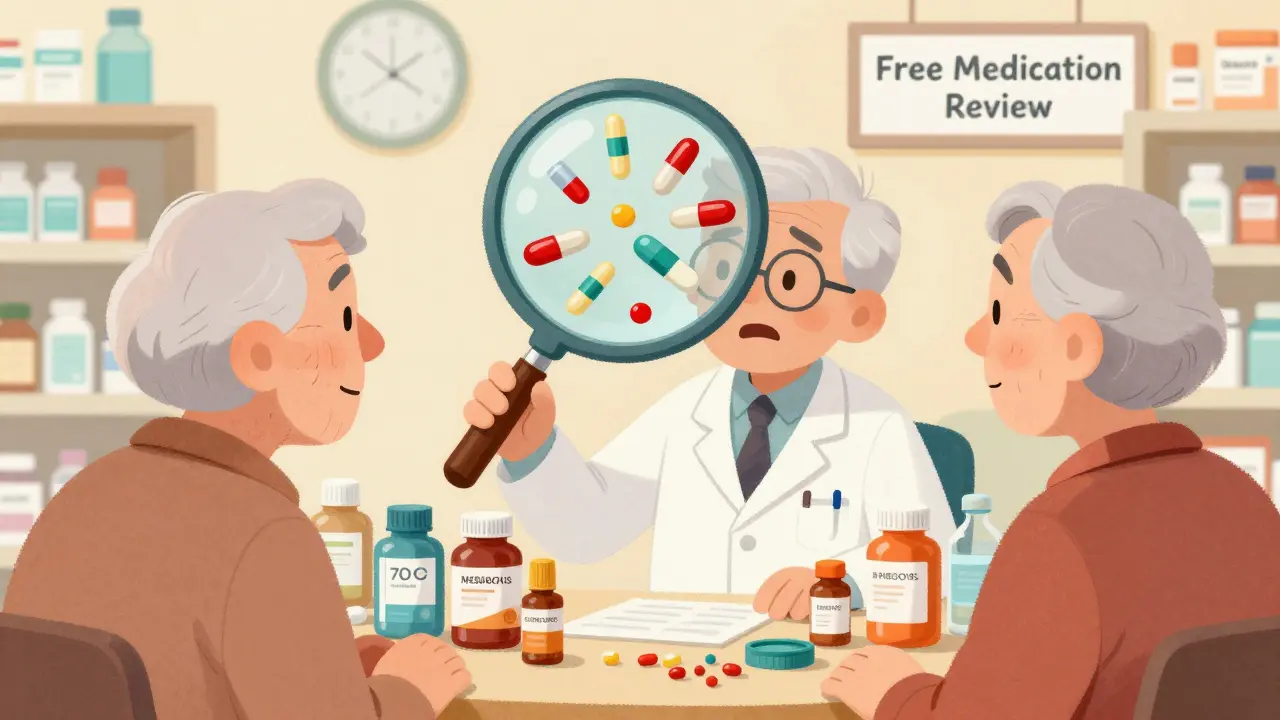
How to Use Your Pharmacy’s Consultation Service for Medication Safety
Learn how to use your pharmacy's consultation service to prevent dangerous drug interactions, save money, and improve medication safety. Free for Medicare Part D users and growing in coverage.
View More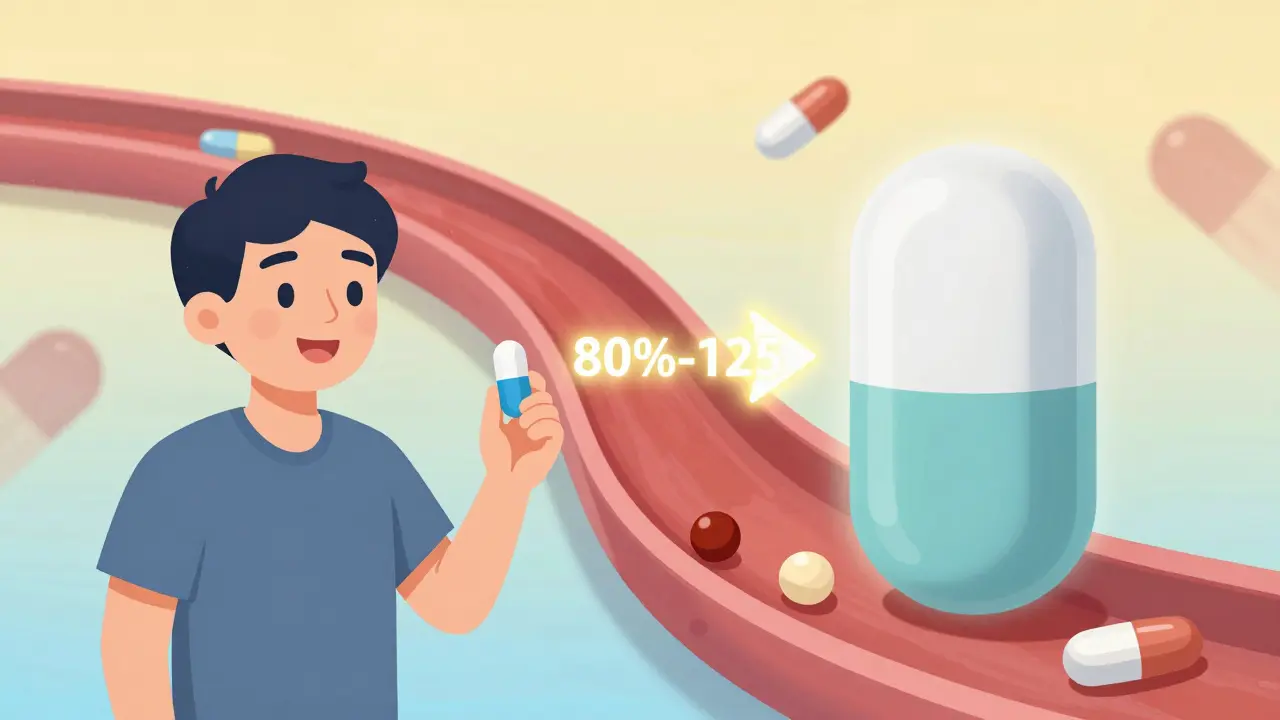
Reassurance from Research: What Clinical Studies Say About Switching from Brand to Generic Medications
Clinical studies show that switching from brand-name to generic medications is safe for most people - but not all. Learn which drugs are risky to switch, why some patients have bad reactions, and how to protect yourself.
View More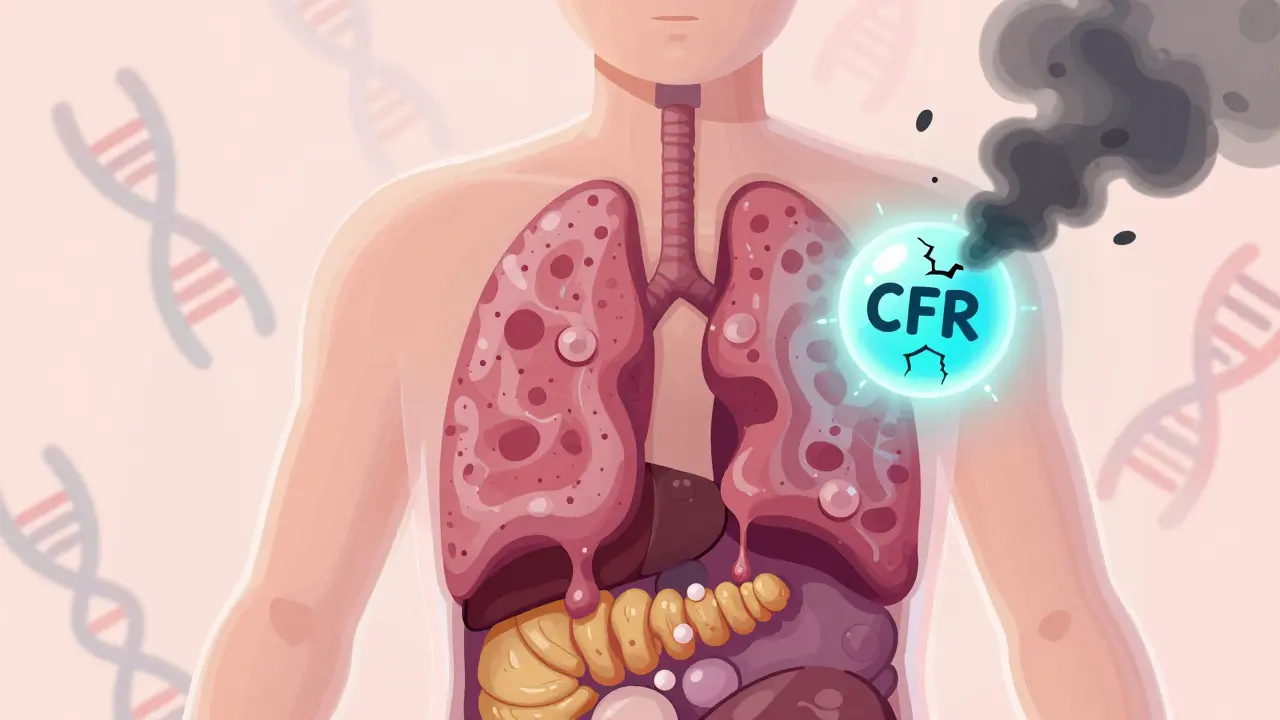
Cystic Fibrosis: Genetic Respiratory Disease and New Therapies
Cystic fibrosis is a genetic disease causing thick mucus that damages lungs and digestion. New CFTR modulator therapies have transformed survival and quality of life, but access and cost remain major barriers worldwide.
View More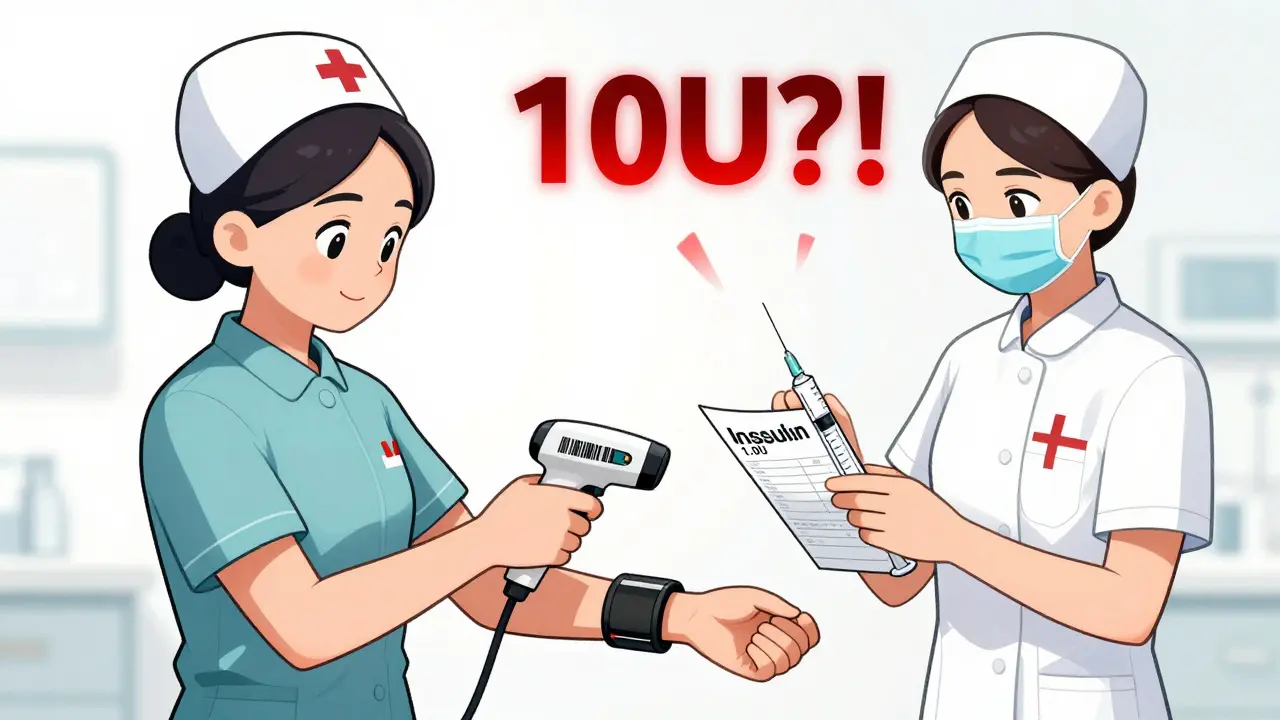
How to Verify Dose Changes and Avoid Miscommunication in Healthcare
Learn how to verify medication dose changes safely using evidence-based protocols that combine technology and human checks. Reduce errors, avoid miscommunication, and protect patients with targeted double checks, SBAR communication, and bedside verification.
View More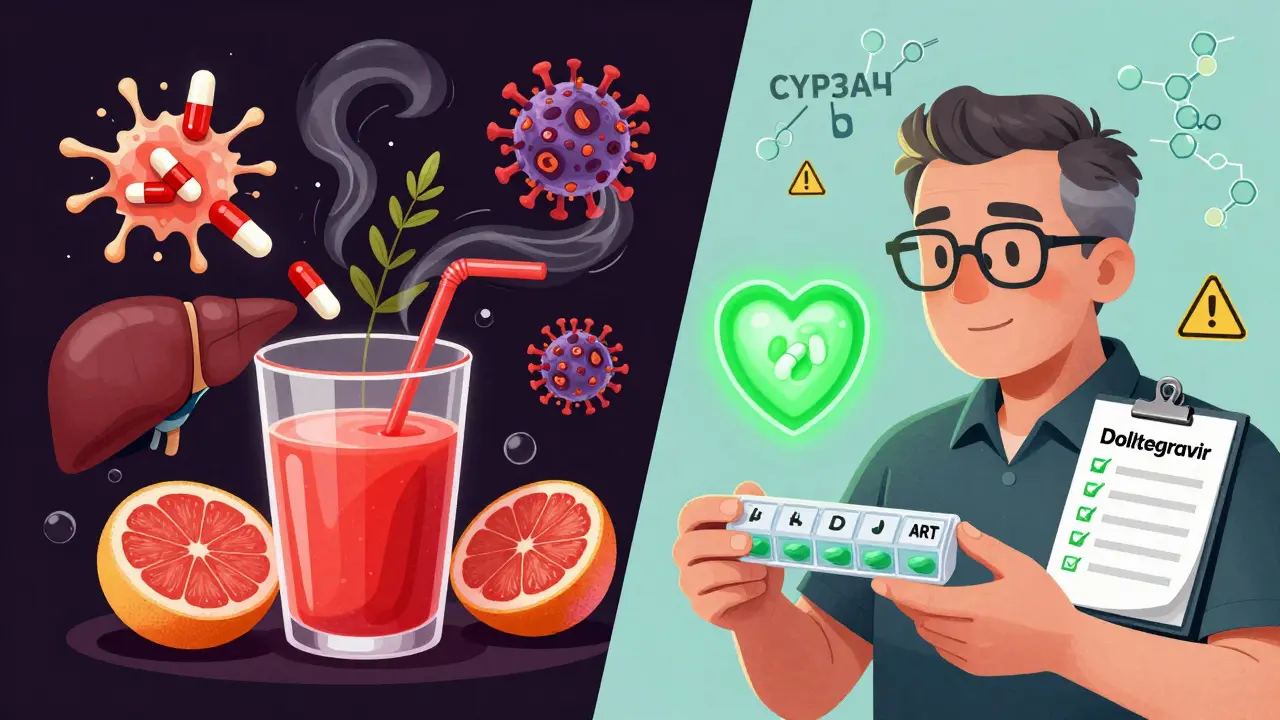
Antiretroviral Therapy and Common Medications: High-Risk Interactions You Need to Know
Antiretroviral therapy can interact dangerously with common medications like statins, antidepressants, and even herbal supplements. Learn which combinations are risky, how to avoid life-threatening side effects, and what safer alternatives exist.
View More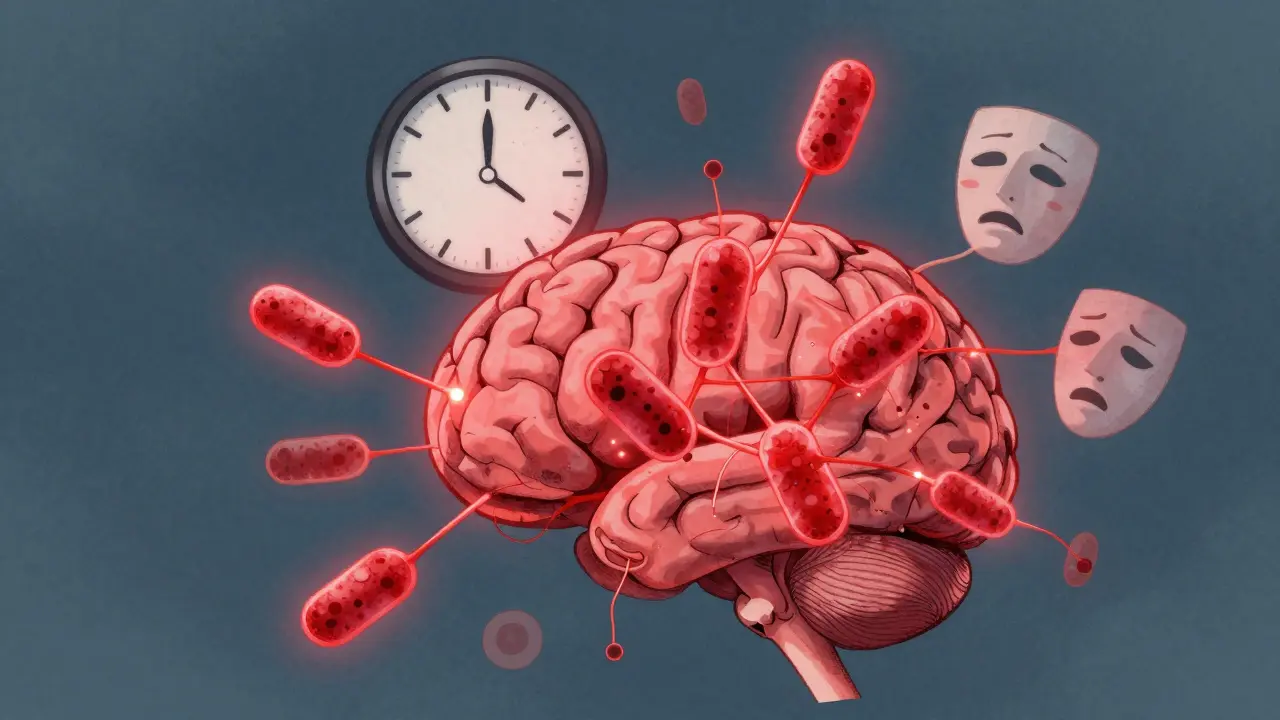
Autoimmune Encephalitis: Recognizing Red Flags, Key Antibodies, and Effective Treatments
Autoimmune encephalitis is a rare but treatable brain disorder triggered by antibodies attacking brain cells. Recognizing red flags like sudden seizures, memory loss, or psychiatric changes-and starting treatment within weeks-can dramatically improve recovery.
View More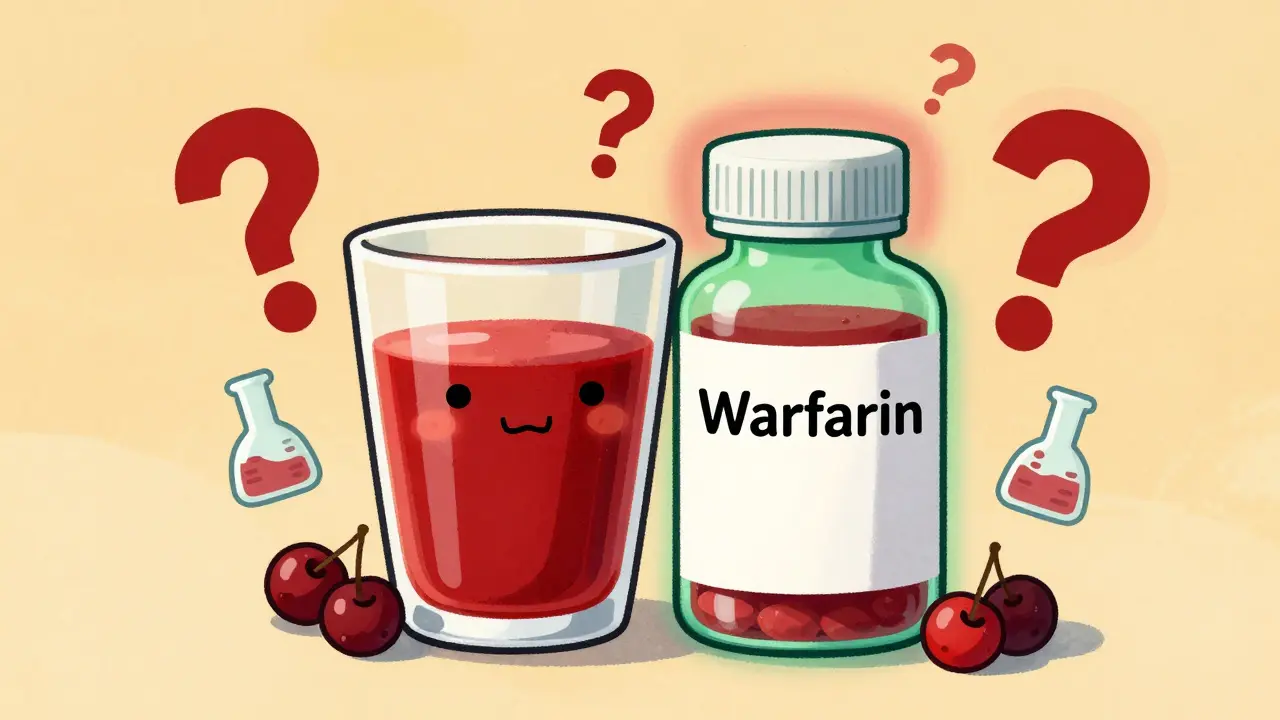
Cranberry Juice and Medications: What You Really Need to Know
Cranberry juice is safe with most medications, but warfarin users should be cautious. Learn the real risks, debunked myths, and what you actually need to know for safe use.
View More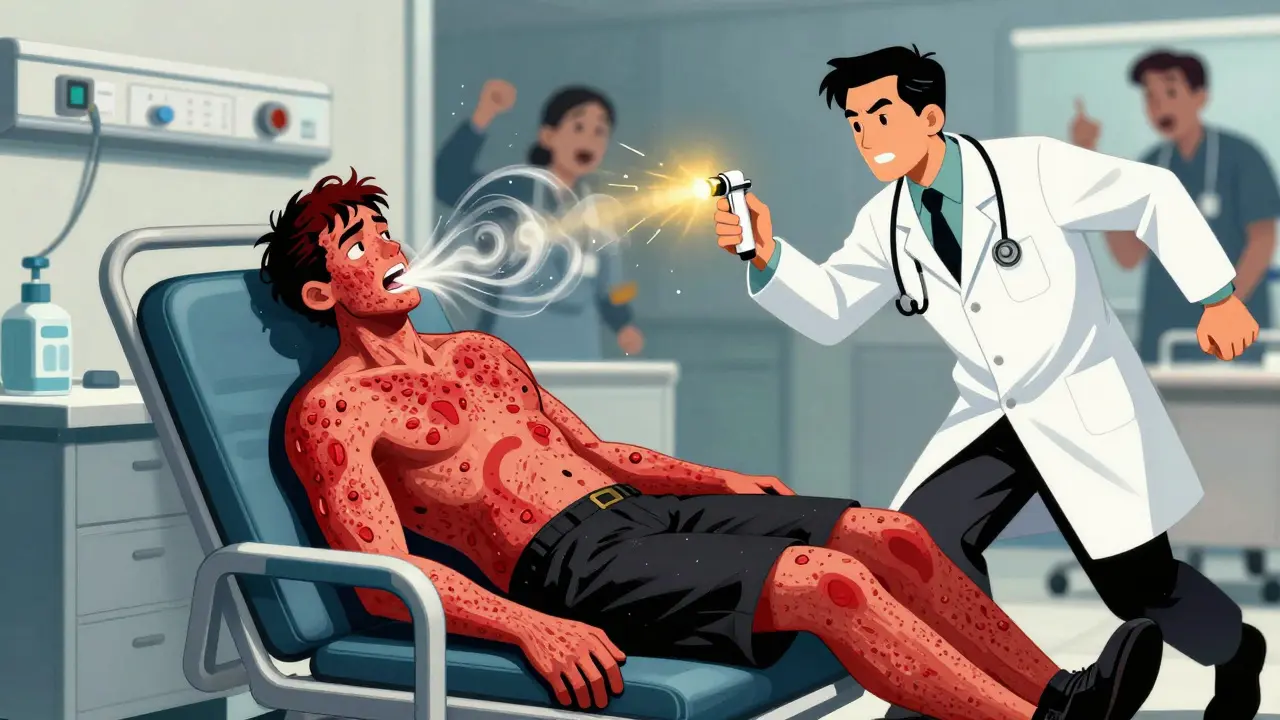
Anaphylaxis: How to Recognize a Life-Threatening Reaction to Medications
Anaphylaxis from medications is fast, deadly, and often missed. Learn the key signs, why epinephrine must be given within minutes, and how to prevent fatal delays in treatment.
View More
Community Health Presentations: Public Education Resources on Generic Drugs
Learn how community health presentations are helping patients understand that generic drugs are just as safe and effective as brand-name versions - and why this knowledge saves billions and improves health outcomes.
View MoreLatest Posts