When your doctor switches your prescription from a brand-name drug to a generic version, it’s usually because the cost is lower - sometimes much lower. But if you’ve ever felt uneasy about that change, you’re not alone. Many patients worry: Is the generic really the same? Will it work as well? Could it make me sicker?
The truth isn’t simple. Most of the time, generics work just fine. But for some medications - especially those that need to stay within a very tight range in your bloodstream - switching can carry real risks. Clinical studies over the last decade have given us a clearer picture than ever before. Here’s what the data actually shows.
What Does ‘Bioequivalent’ Really Mean?
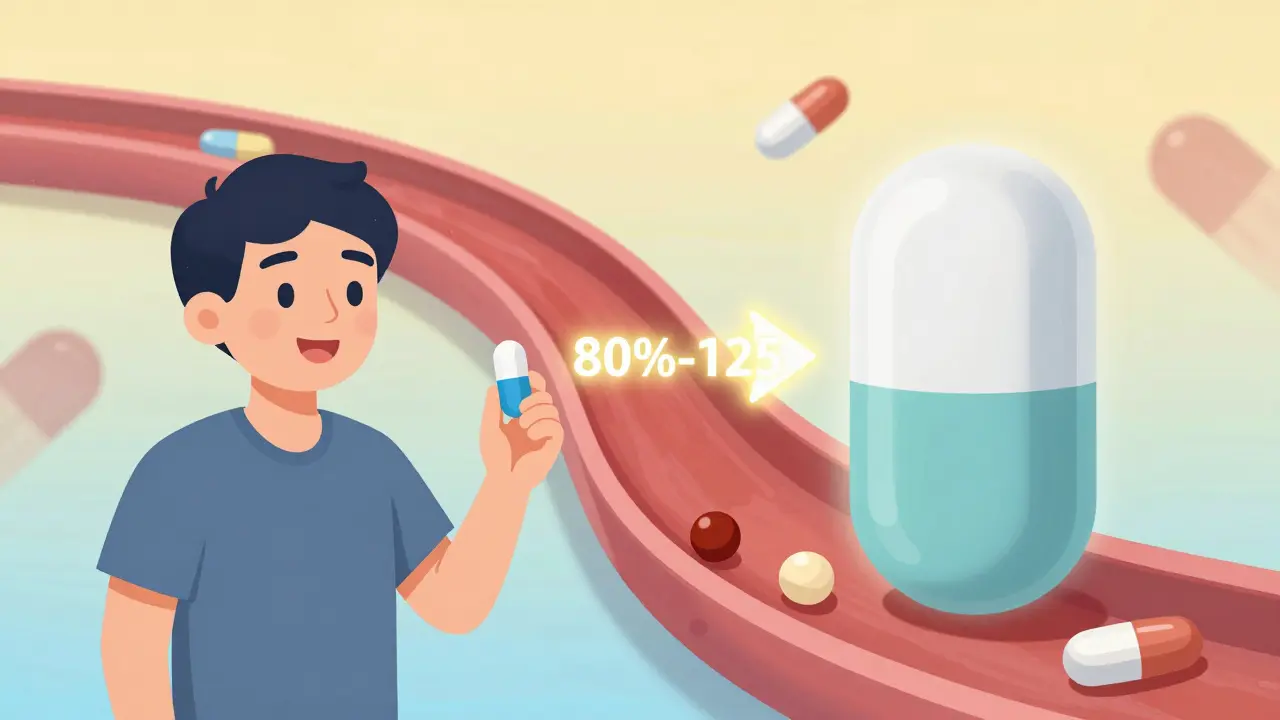
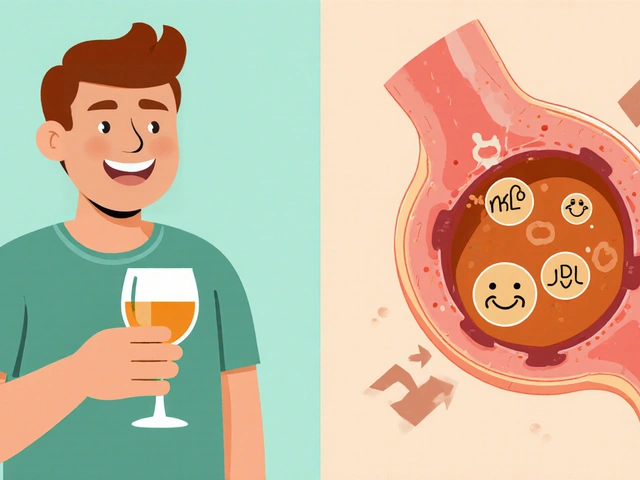
The U.S. Food and Drug Administration (FDA) says a generic drug must be bioequivalent to the brand-name version. That means it delivers the same amount of active ingredient into your blood at roughly the same speed. The allowed range? Within 80% to 125% of the brand’s levels. Sounds strict, right? But here’s the catch: that 20% variability is the maximum allowed. For most drugs, that’s harmless.
Think of it like filling a glass of water. If the brand fills it to exactly 8 ounces, the generic can be anywhere between 6.4 and 10 ounces and still be approved. For a painkiller like ibuprofen, that’s fine. Your body can handle the wiggle room. But for drugs where even a small change can cause trouble - like seizure meds or blood thinners - that gap matters a lot more.
Where Switching Works: Heart Medications and Statins
For many common chronic conditions, switching to generics isn’t just safe - it’s better.
A massive 2020 study in Nature Scientific Reports looked at over 8.5 million people in Austria over five years. It compared outcomes for 17 different medications used for high blood pressure, heart failure, high cholesterol, and diabetes. After adjusting for age, income, and other factors, generics were linked to fewer deaths in 10 of the 17 drugs. For statins like simvastatin and atorvastatin, patients on generics had a 15% to 22% lower risk of heart attack or stroke.
Why? One big reason: cost. Generic versions are cheaper. People stick with them longer. The same study found that patients on brand-name blood pressure pills were 23% more likely to stop taking them altogether within six months. When you stop your meds, your risk goes up - no matter what the pill looks like.
For most people on statins or ACE inhibitors like lisinopril, the switch is a win. Lower cost. Better adherence. Better outcomes.
Where Switching Gets Risky: Antiepileptic Drugs
This is where things get complicated.
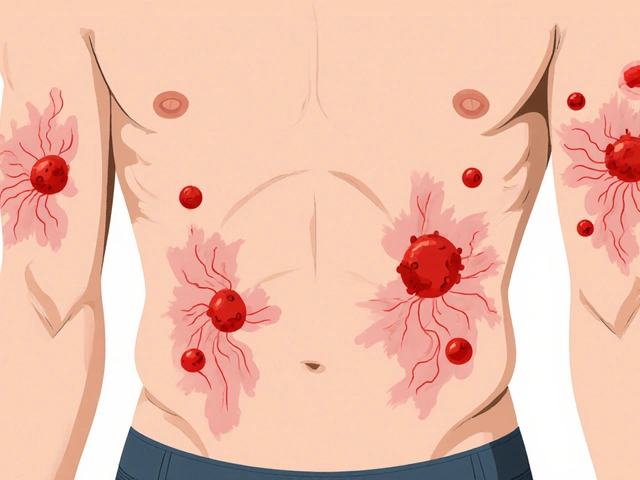
For epilepsy patients, even a tiny drop in drug levels can trigger a seizure. Studies show that switching from brand-name levetiracetam or phenytoin to a generic can lead to measurable drops in blood concentration - sometimes by 22% to 31%. In one review of 760 patients, nearly one in five reported increased seizures after switching. Others had side effects like blurred vision, memory loss, depression, and mood swings.
One study tracked 50 patients who were doing well on brand-name antiepileptics. After switching to generics, almost half had breakthrough seizures. Blood tests showed their drug levels had dropped significantly compared to when they were on the brand.
The American Academy of Neurology says most people with epilepsy can safely use generics - but warns that some patients may need close monitoring. If you’ve been stable for years on a brand-name drug, switching might not be worth the risk.
And it’s not just the first switch. Some patients get switched again - from one generic to another generic. One study found that over five years, 1.1% of patients switched between five different generic manufacturers. That’s like changing your coffee brand every month and wondering why your morning routine feels off.
Why Do Some Patients Switch Back?
It’s not just doctors or studies saying this - patients are speaking up.
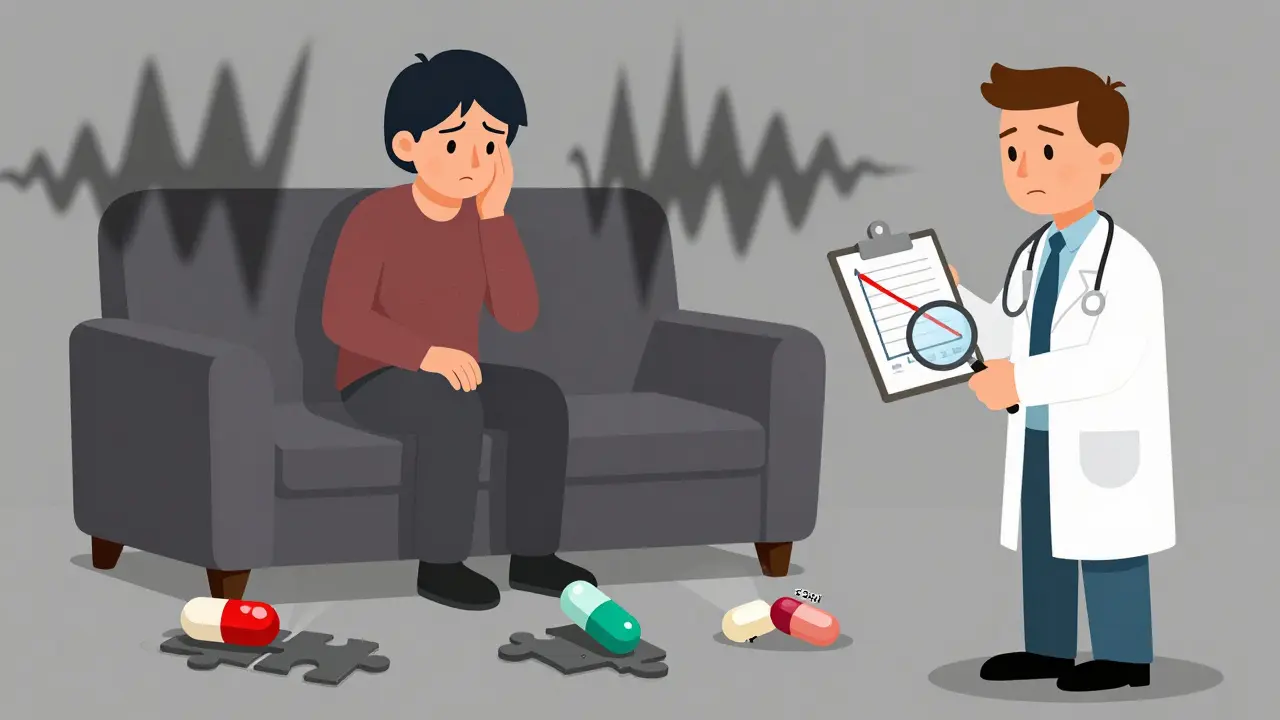
A 2023 study found that 12.8% of patients switched back from generic to brand-name drugs. Why? They felt different. They had side effects. Their seizures returned. Their blood pressure spiked. In many cases, they didn’t even know why the switch happened.
And here’s a startling stat: 67% of patients identified their meds by the pill’s color, shape, or markings - not the name. So when a new generic comes in that looks different, they think they’ve been given the wrong medicine. That confusion leads to skipped doses, panic, and unnecessary doctor visits.
One patient in a study said: “I didn’t trust the new pills. I thought they were fake. I stopped taking them for a week.” That’s not paranoia - it’s a system failure.
Who Decides When to Switch?
In the U.S., pharmacists can switch your brand to a generic without telling your doctor - unless you opt out. In most of Europe, the doctor has to specifically allow it.
That difference matters. In countries where substitution is automatic, more people get switched - but also more people report problems. In places where doctors control the switch, there’s more communication, more monitoring, and fewer surprises.
Patients who are told in advance - and understand why - are more likely to stick with the change. Those who are blindsided? They’re more likely to stop taking the drug or worry it’s not working.
What Should You Do?
Here’s a practical guide based on the evidence:
- If you’re on a statin, blood pressure med, or diabetes drug: Switching to generic is almost always safe - and often better for your health because you’ll take it longer.
- If you’re on an antiepileptic drug, warfarin, or thyroid medication: Talk to your doctor before switching. Ask if your drug has a narrow therapeutic index. Ask if your current brand is working well. If it is, staying on it might be the smarter choice.
- If you notice a change after switching: Don’t assume it’s all in your head. Track symptoms. Take notes. Get a blood test if your doctor recommends it. Many side effects from generics are real - and reversible if caught early.
- If you’re switched without warning: Ask why. Ask if it’s mandatory. Ask if you can stick with your current version. You have the right to know.
The Bigger Picture: Cost vs. Care
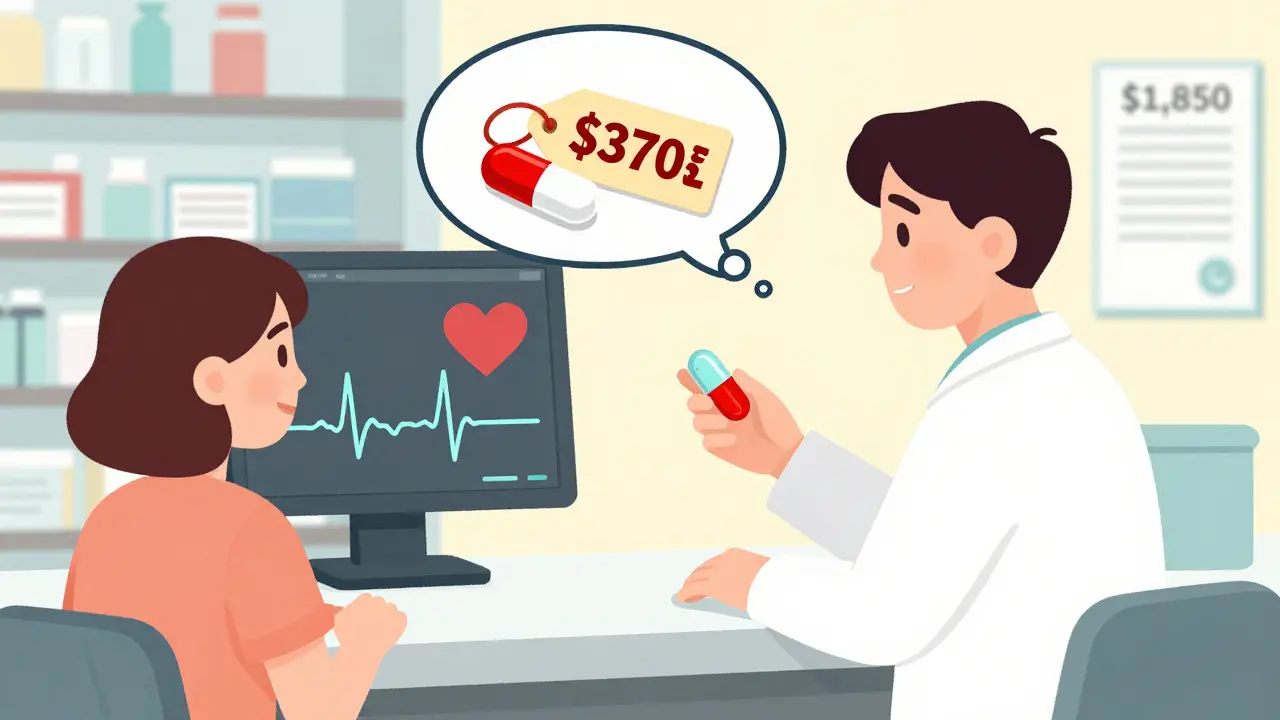
Generics saved the U.S. healthcare system $370 billion in 2023. That’s huge. But savings shouldn’t come at the cost of safety.
For every $1 saved on a generic pill, you might spend $1,850 treating a seizure caused by switching. That’s not savings - that’s shifting the burden.
What’s emerging from the research is a simple principle: Not all generics are created equal - and not all patients should be treated the same.
For most people, generics are a win. For a small group - those on critical, narrow-therapeutic-index drugs - they can be a gamble. The system needs to be smarter. Doctors need to talk more. Patients need to be informed. Pharmacists need to flag high-risk switches.
The data doesn’t say generics are bad. It says we need to be smarter about who switches - and why.
What’s Next?
Regulators are paying attention. The FDA is now asking for extra testing on certain generic antiepileptics. The European Medicines Agency recommends extra caution for patients with unstable epilepsy or those on multiple drugs.
Researchers are also looking at genetics. Some people have enzyme variations that make them more sensitive to small changes in drug levels. In the future, we may see genetic tests used to decide who can safely switch - and who shouldn’t.
For now, the best advice is this: Don’t fear generics. But don’t assume they’re always the same. Ask questions. Know your meds. And if something feels off after a switch - speak up. Your body knows before your doctor does.
Are generic medications always as effective as brand-name drugs?
For most medications - like statins, blood pressure pills, and diabetes drugs - yes, generics are just as effective. Large studies show similar or better outcomes because patients stick with them longer. But for drugs with a narrow therapeutic index - such as antiepileptics, warfarin, or thyroid meds - small differences in absorption can matter. Some patients experience breakthrough seizures, unstable blood levels, or new side effects after switching. Clinical evidence shows these cases are rare overall but real for specific populations.
Why do some patients switch back from generic to brand-name drugs?
Patients switch back because they notice changes in how they feel - increased seizures, dizziness, mood swings, or lack of symptom control. In one study, nearly half of patients who had breakthrough seizures after switching to generic antiepileptics had lower drug levels in their blood. Others simply don’t trust pills that look different. A 2023 study found 67% of patients identify their meds by color and shape, not name. When the pill changes, they think it’s wrong - and stop taking it. That’s not just perception; it’s a systemic issue.
Can pharmacists switch my prescription without telling me?
In most U.S. states, yes - pharmacists can substitute a generic for a brand-name drug without consulting your doctor, unless you’ve opted out. In Europe, the prescriber must explicitly allow substitution. This difference leads to more confusion and anxiety in the U.S. system. If you’re switched without warning, you have the right to ask why and to request your original brand if you’re concerned.
Should I get my blood levels checked after switching to a generic?
If you’re taking a drug with a narrow therapeutic index - like phenytoin, levetiracetam, warfarin, or lithium - yes. Even if you feel fine, a simple blood test can confirm your levels haven’t dropped. For most other drugs (like atorvastatin or lisinopril), routine monitoring isn’t needed. But if you notice new side effects or reduced effectiveness, ask your doctor about testing.
Why do some studies show worse outcomes with generics for certain drugs?
The differences come down to biology and regulation. For drugs where even a 10% drop in blood concentration can cause harm, the 80%-125% bioequivalence range is too wide. Studies on generic phenytoin and levetiracetam show lower average levels compared to brand-name versions. In addition, some patients have genetic variations that affect how they metabolize drugs, making them more sensitive to these small changes. These aren’t flaws in the generic - they’re limitations in the current approval system for high-risk medications.



Bradford Beardall
11 January, 2026 . 03:39 AM
I've been on generic lisinopril for three years and my BP is rock solid. No issues at all. I think the fear around generics is way overblown for most people.
Christine Milne
11 January, 2026 . 20:53 PM
Actually, the FDA's bioequivalence standards are a joke. 80%-125% is not 'strict'-it's a regulatory loophole that puts patients at risk. The agency is captured by pharmaceutical interests. This isn't science-it's corporate policy dressed up as medicine.
And don't get me started on how pharmacists can swap your meds without consent. In Germany, this would be illegal. Here? You're lucky if you even know what you're taking.
The fact that 67% of patients identify pills by color and shape proves the system is designed to confuse, not inform. This isn't healthcare-it's pharmaceutical roulette.
McCarthy Halverson
13 January, 2026 . 02:48 AM
For statins and blood pressure meds, generics are fine. For epilepsy and warfarin, talk to your doctor first. That's the whole point.
Michael Marchio
13 January, 2026 . 13:52 PM
Let me be clear-this whole generic drug debate is a symptom of a broken system. We’ve turned medicine into a commodity, and now we’re paying the price in seizures, strokes, and needless suffering. The manufacturers don’t care about your health-they care about profit margins. And the regulators? They’re asleep at the wheel.
It’s not that generics are inherently dangerous. It’s that we treat them like interchangeable widgets when they’re not. One pill looks different, and suddenly your brain is flooded with uncontrolled electrical activity. That’s not a coincidence. That’s a failure of oversight.
And don’t tell me ‘most people are fine.’ What about the 1 in 5 who have breakthrough seizures? Their lives matter too. But no one’s auditing the pharmacies. No one’s tracking the switches. No one’s holding anyone accountable. That’s the real scandal.
We need mandatory blood level testing before and after any switch for narrow-therapeutic-index drugs. We need informed consent. We need transparency. And we need to stop pretending this is just about cost savings. It’s not. It’s about lives.
Jake Kelly
15 January, 2026 . 12:28 PM
Good breakdown. I appreciate how you laid out the evidence without fearmongering. For people on statins, switching is a no-brainer. For those on seizure meds, caution is wise. It’s not black and white-and that’s okay.
Ashlee Montgomery
15 January, 2026 . 12:56 PM
What if the real issue isn't the generic drug but the lack of patient education? We hand out pills like candy and assume people understand what they're taking. Then we act shocked when someone stops taking their meds because the pill changed color. The system didn't fail the patient-the system failed to communicate.
Imagine if every prescription came with a simple card: 'This pill is a generic version. It works the same way. But if you feel different, call your doctor.' That's all it takes. Not more regulation. Just more clarity.
neeraj maor
15 January, 2026 . 16:42 PM
Generic drugs are a CIA psyop. The same companies that make the brand names own the generics. They use the switch to test new delivery systems. Your blood levels drop not because of chemistry-but because they want to see how many people will panic and go back to the brand. Then they raise the price again. This isn't medicine. It's behavioral manipulation.
And the FDA? They're on the payroll. Look at the revolving door between regulators and Big Pharma. The 'bioequivalence' range? Designed to fail. The 'studies' showing safety? Funded by the same labs that make the pills. Wake up.
Ritwik Bose
16 January, 2026 . 13:19 PM
Thank you for this thoughtful, evidence-based post. As someone from India where generics are the backbone of healthcare, I’ve seen how they save lives daily. But I also know that in the U.S., the lack of communication around switches causes unnecessary fear. Perhaps the solution lies in combining global access with American transparency.
Maybe we need a simple 'Switch Alert' sticker on the bottle-like a nutrition label-telling patients: 'This is a generic version. If you notice changes, contact your provider.' Simple. Respectful. Human.
Paul Bear
17 January, 2026 . 05:20 AM
It's worth noting that the 80%-125% bioequivalence range is statistically derived from population pharmacokinetics-not individual variability. For drugs with a narrow therapeutic index, this range is not clinically appropriate, and regulatory agencies are beginning to recognize this. The term 'bioequivalent' is misleading when applied to high-risk medications. The FDA's current guidance fails to account for pharmacogenomic variation, which can result in 300% differences in drug clearance between individuals. Until labeling and substitution protocols reflect this, we are engaging in reckless polypharmacy.
Moreover, the practice of automatic substitution without prescriber authorization constitutes a violation of the principle of informed consent. It is not merely a procedural issue-it is an ethical breach.
lisa Bajram
17 January, 2026 . 06:07 AM
OMG YES. I switched from brand to generic levetiracetam last year and had a seizure within 10 days. I thought I was losing my mind. Turns out my blood level dropped 30%. I called my neurologist, begged for the brand back, and they finally listened. I’m not ‘anxious’-I’m just not stupid. If your pill looks different and you feel different? Trust yourself. Fight for your health. No one else will.
Also-why do generics always look like they were designed by a 1980s fax machine? I swear, the color schemes are intentional. They want you to doubt it. Stop being passive. Ask for your brand. Say NO. You’ve got this.