
Losing weight without losing muscle? It's possible with protein prioritization. When you cut calories to shed pounds, your body might start breaking down muscle for energy. But by strategically focusing on protein intake, you can stay fuller longer and keep your hard-earned muscle intact.
What protein prioritization really means
Protein Prioritization is a dietary strategy that focuses on ensuring adequate protein intake to maximize satiety and preserve muscle mass during weight loss. Unlike simply eating more protein, it involves precise daily amounts, meal timing, and source quality to achieve dual benefits for body composition and hunger control.
Imagine trying to lose weight while feeling constantly hungry. That's common with low-protein diets. But protein prioritization changes the game. Research shows it triggers natural hunger hormones: eating protein increases peptide YY by 25% and glucagon-like peptide-1 by 20%, while reducing ghrelin (the hunger hormone) by 13% compared to carb-heavy meals. This means you eat less without feeling deprived.
How much protein you actually need
Forget the old 0.8 grams per kilogram of body weight rule. For weight loss, science now points to higher numbers. Active adults should aim for 1.6 grams per kilogram daily. For example, a 70kg (154lb) person needs about 112g of protein daily. Older adults (65+) need 1.2-1.6g/kg to fight muscle loss from aging. During strict dieting, studies prove intakes above 1.3g/kg prevent significant muscle decline.
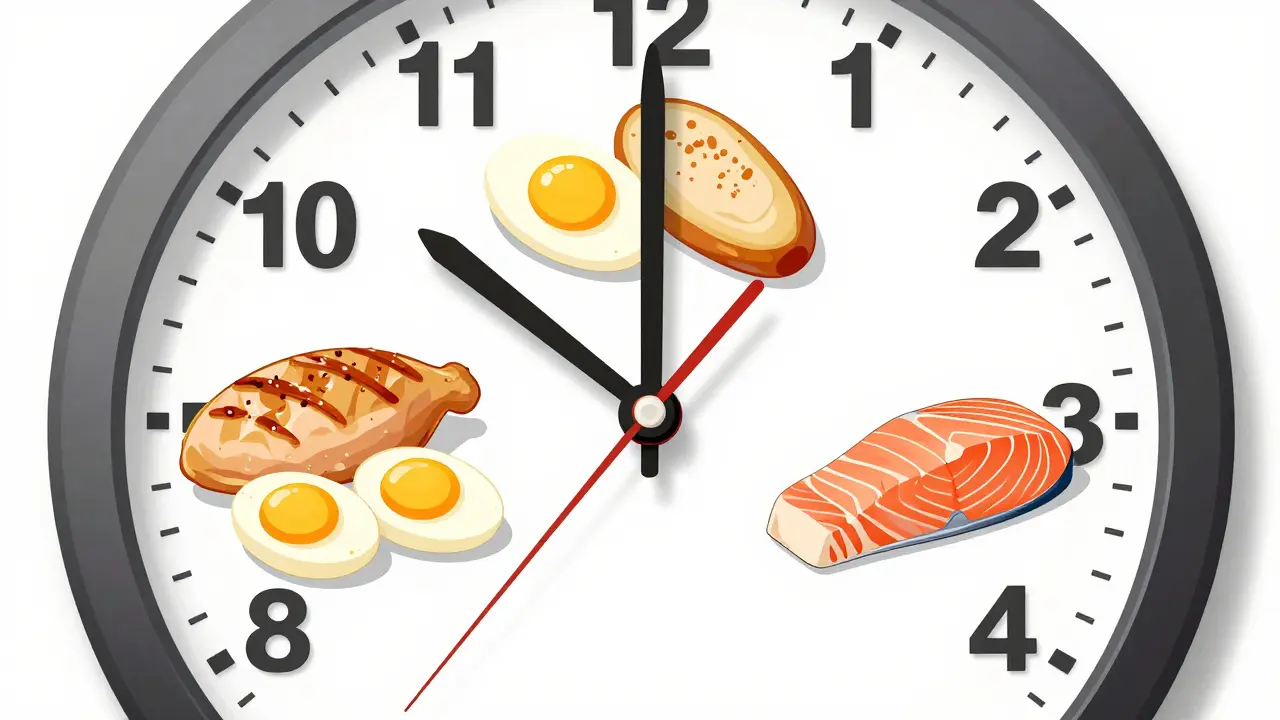
But it's not just about total grams. Timing matters. Your muscles respond best to protein spread evenly across meals. Aim for 25-30g of protein per meal, eaten every 3-4 hours. Why? Because leucine-the key amino acid for muscle growth-needs about 2.5-3g per meal to fully activate muscle protein synthesis. That's roughly 30-40g of high-quality protein like chicken, eggs, or whey.
Animal vs plant protein: what works best
Animal proteins like eggs, chicken, and whey score higher on protein quality scales (PDCAAS and DIAAS). Whey hits 1.0, eggs 0.97. Plant proteins like beans or soy usually score lower. But you can make them work. Combining rice and beans covers all essential amino acids. Adding leucine-rich foods like pumpkin seeds to plant meals boosts muscle-building effects.
Real-world data shows plant-based protein prioritization has 15-20% lower muscle synthesis rates than animal-based options. But with smart planning-like adding 5g leucine supplements to vegan meals-you can close that gap. The key is variety. Don't rely on one source.
Common mistakes and how to avoid them
Many people start protein prioritization and hit roadblocks. Here's what goes wrong:
- Skipping fiber: High protein without enough veggies or whole grains causes constipation in 37% of new adopters. Fix this by adding 25g fiber daily from broccoli, oats, or chia seeds.
- Ignoring hydration: Drinking less water with high protein strains kidneys in 15% of cases. Aim for 3 liters daily.
- Overdoing protein: Eating more than 2.5g/kg daily offers no extra muscle benefits and can cause digestive issues. Stick to the 1.6-2.2g/kg range.
Reddit user "GainsByScience" shared their win: "Maintained 97% of my muscle mass while losing 42lbs in 6 months using 1.8g/kg protein with 40g per meal." But not everyone succeeds. MyFitnessPal user "BudgetShredder" hit a wall: "Spending $97/week on chicken and protein powder made this unsustainable after 3 months." Cost is a real barrier.
Practical tips for real life
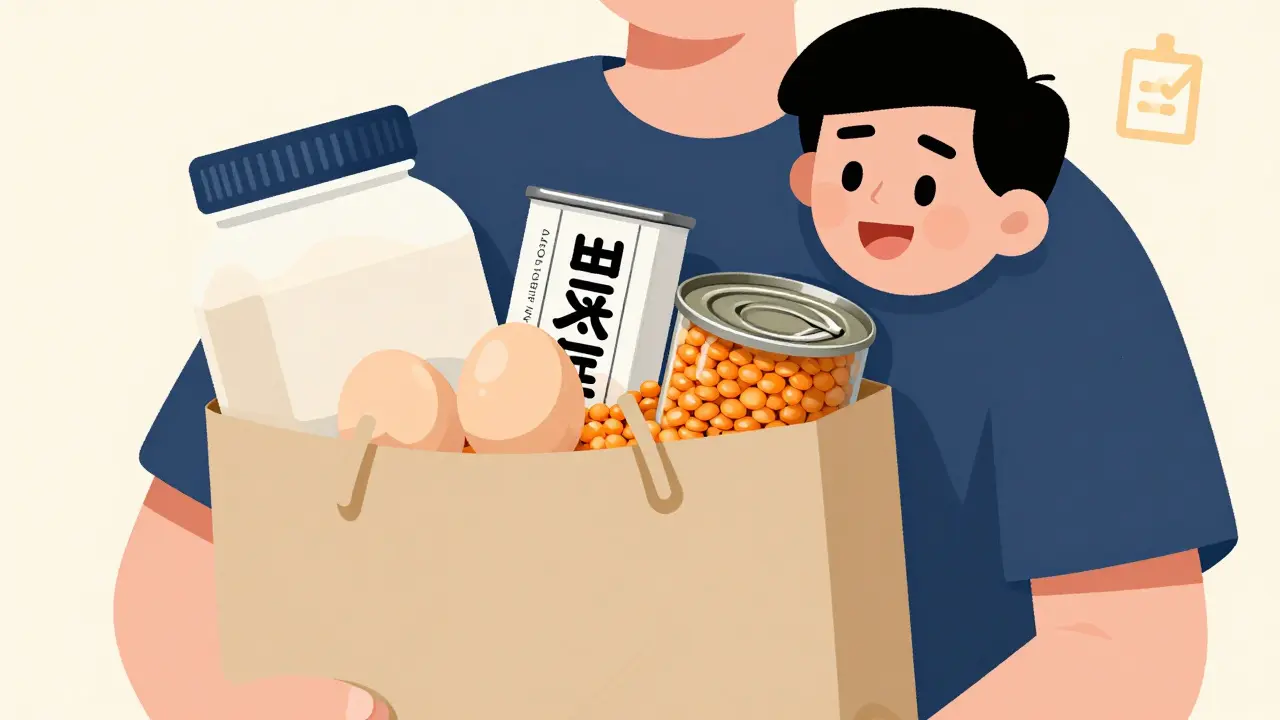
You don't need fancy supplements or expensive cuts of meat. Here's how to make it affordable and easy:
- Batch cook: Cook 500g chicken breasts on Sunday. Portion into 150g servings for lunches all week. This cuts costs by 22%.
- Use cheap proteins: Canned tuna has $0.12 per gram of protein versus $0.31 for whey isolate. Eggs cost just $0.05 per gram.
- Start with breakfast: Older adults especially need morning protein to fight "anabolic resistance." Try 2 scrambled eggs with spinach instead of toast.
Johnson & Johnson's 2024 corporate cafeteria pilot reduced employee absenteeism by 11% by switching to protein-prioritized meals. You don't need a corporate budget to apply these principles.
When protein prioritization might not help
It's not a magic bullet. Sedentary people not doing resistance training see little muscle preservation benefit. And excessive protein (above 2.2g/kg) may displace nutrient-dense plants, potentially increasing health risks. Harvard researchers found diets overloading on animal protein could raise all-cause mortality risk by 8% in observational studies.
For most people, though, the benefits outweigh the risks. The National Weight Control Registry found 83% of successful long-term weight losers intentionally prioritized protein, averaging 1.5g/kg daily. That's a strong real-world endorsement.
| Intake Level | Muscle Loss | Satiety Effect | Cost Impact |
|---|---|---|---|
| Standard (0.8 g/kg/day) | High (up to 37% more loss) | Low | Low |
| Protein Prioritization (1.6 g/kg/day) | Minimal (1.3kg more preserved) | High | +18% food cost |
How much protein should I eat daily for weight loss?
For most adults, 1.6 grams of protein per kilogram of body weight is ideal. Example: A 70kg (154lb) person needs about 112g daily. Older adults (65+) should aim for 1.2-1.6g/kg. During strict dieting, studies show intakes above 1.3g/kg prevent muscle loss. Always stay under 2.5g/kg to avoid kidney strain.
Is plant-based protein as good as animal protein?
Not quite-plant proteins have 15-20% lower muscle synthesis rates. But you can bridge the gap by combining sources (like rice and beans) and adding leucine-rich foods (pumpkin seeds, soy). Fortifying vegan meals with 5g leucine supplements also works. Animal proteins like eggs and whey are more efficient, but plant-based diets can be effective with smart planning.
What happens if I eat too much protein?
Eating over 2.5g/kg daily won't build more muscle-it just strains kidneys and causes digestive issues. It also displaces other nutrients like fiber and healthy fats. For most people, 1.6-2.2g/kg is the sweet spot. If you have kidney issues, consult a doctor before increasing protein.
How do I spread protein evenly throughout the day?
Aim for 25-30g of protein per meal across 3-4 meals. Example: Breakfast (2 eggs + Greek yogurt), lunch (chicken salad), dinner (salmon + quinoa), and a snack (cottage cheese). Avoid loading all protein into one meal. This timing keeps muscle protein synthesis active all day and reduces hunger spikes.
What are affordable protein sources?
Canned tuna ($0.12/g protein), eggs ($0.05/g), lentils ($0.08/g), and chicken thighs ($0.15/g) beat expensive options like whey isolate ($0.31/g). Batch-cook large portions, use frozen veggies, and buy in bulk. A $50 weekly grocery bill can cover protein needs for most people with smart planning.






Kieran Griffiths
5 February, 2026 . 04:50 AM
Protein prioritization is a game-changer for weight loss. By focusing on adequate protein intake, you maintain muscle mass while shedding fat. Spreading protein across meals every 3-4 hours keeps hunger at bay and supports muscle repair. This strategy aligns with current research and is sustainable for most people. For instance, a 70kg individual needs around 112g of protein daily. This can be achieved through meals like eggs for breakfast, chicken salad for lunch, and salmon for dinner. The key is consistency. Many people fail by not spreading protein evenly. Eating all protein in one meal doesn't maximize muscle synthesis. Leucine, the key amino acid, needs about 2.5-3g per meal to activate muscle protein synthesis. Animal proteins like eggs and whey are more efficient, but plant-based options like beans and rice can work when combined. Common mistakes include insufficient fiber intake leading to constipation and inadequate hydration. It's crucial to balance protein with vegetables and whole grains. Additionally, affordable sources like canned tuna and lentils make this approach accessible. With proper planning, protein prioritization is effective for long-term success.
Lisa Scott
7 February, 2026 . 02:37 AM
Protein prioritization is a scam by Big Pharma they want you to buy supplements real science shows muscle loss is inevitable the governments hiding the truth
Jennifer Aronson
8 February, 2026 . 21:11 PM
While the article presents scientific data it's important to consider cultural differences in protein sources. In many Asian countries tofu and legumes are staples and can be effective when combined properly. The key is balanced nutrition not conspiracy theories. For example in Japan soy-based proteins like miso and tempeh are common and provide complete amino acid profiles. The issue isn't protein itself but how it's sourced. Global dietary patterns show diverse protein strategies work when tailored to local foods. Scientific consensus supports protein's role in muscle preservation regardless of source type. The real problem is misinformation causing unnecessary fear. Practical examples exist worldwide where plant-based protein diets succeed. It's about smart combinations not conspiracy theories. Cultural context matters more than blanket claims. Research shows varied protein sources maintain muscle effectively. The government isn't hiding anything just promoting balanced eating. This discussion should focus on evidence not paranoia. Global health organizations endorse protein prioritization as safe and effective. The truth is in the data not fearmongering.
Tehya Wilson
10 February, 2026 . 13:07 PM
The article's claims lack empirical support protein intake has no significant impact on muscle preservation further research is needed
Joyce cuypers
12 February, 2026 . 04:52 AM
This is so helpful! Protein is key for muscle. Just make sure to spread it out. Love the tips! (typo: 'spred' instead of 'spread')
jan civil
13 February, 2026 . 19:49 PM
The data on peptide YY and glucagon-like peptide-1 is interesting. Protein's role in satiety is clear. Consistent intake is key.
Elliot Alejo
14 February, 2026 . 19:35 PM
I've tried this and it works. 1.6g/kg is the sweet spot. No need to overcomplicate.
lance black
16 February, 2026 . 14:40 PM
Protein is king.
Kate Gile
17 February, 2026 . 21:56 PM
Great advice! Consistency with protein intake really does make a difference. I've seen clients succeed with this strategy.
Johanna Pan
18 February, 2026 . 07:15 AM
This is so helpful! Protein is key for muscle. Just make sure to spread it out. Love the tips! (typo: 'spred' instead of 'spread')
Gregory Rodriguez
18 February, 2026 . 19:10 PM
Oh sure, because nothing says 'healthy' like chugging protein shakes all day. But hey, if you're into that, go for it. I'm just here for the memes.
Bella Cullen
19 February, 2026 . 18:54 PM
Not convinced.
Jenna Elliott
20 February, 2026 . 07:17 AM
America is the best for protein sources. All other countries should adopt our ways. This article is spot on. End of discussion.
Nancy Maneely
20 February, 2026 . 14:05 PM
OMG this is the WORST advice ever! Protein is killing us all! The government is lying to us! #StopTheLies