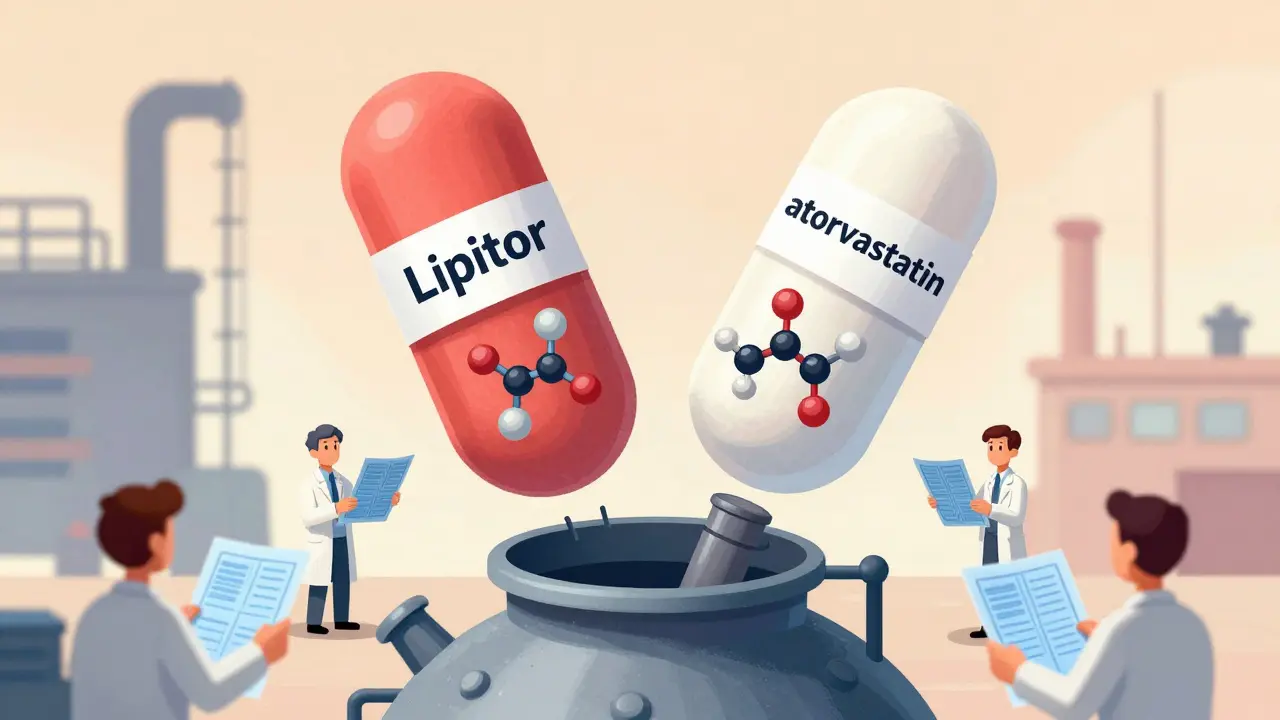
When you see a pill that looks exactly like your brand-name medication but costs half as much, you might assume it’s just another generic. But what if that generic was made by the same company that made the brand? That’s an authorized generic-and it’s more common than you think.
What Exactly Is an Authorized Generic?
An authorized generic isn’t a copy. It’s the exact same drug, made in the exact same factory, with the exact same ingredients, by the same company that holds the original patent. The only difference? The label. Instead of the flashy brand name like "Lipitor" or "Nexium," it says something plain like "atorvastatin calcium" or "esomeprazole magnesium." The FDA defines it clearly: it’s a drug approved under the original New Drug Application (NDA), but sold under a private label at generic prices.
This isn’t a loophole. It’s a legal pathway created by the Hatch-Waxman Act of 1984. Back then, Congress wanted to speed up generic drug approvals without letting brand companies lose control of quality. So they let them make their own generics-right from their own plants. That way, when a patent expires, they can still compete, but on price, not quality.
Who Makes Authorized Generics? Three Ways It Happens
There are three main ways authorized generics get made-and it’s not always who you’d expect.
- Direct from the brand company: About 52% of authorized generics are made in the same facility as the brand-name drug. The company just changes the label, boxes it differently, and sells it under a private label. Think of it like a store-brand soda made by Coca-Cola. Same formula, same bottle, different label.
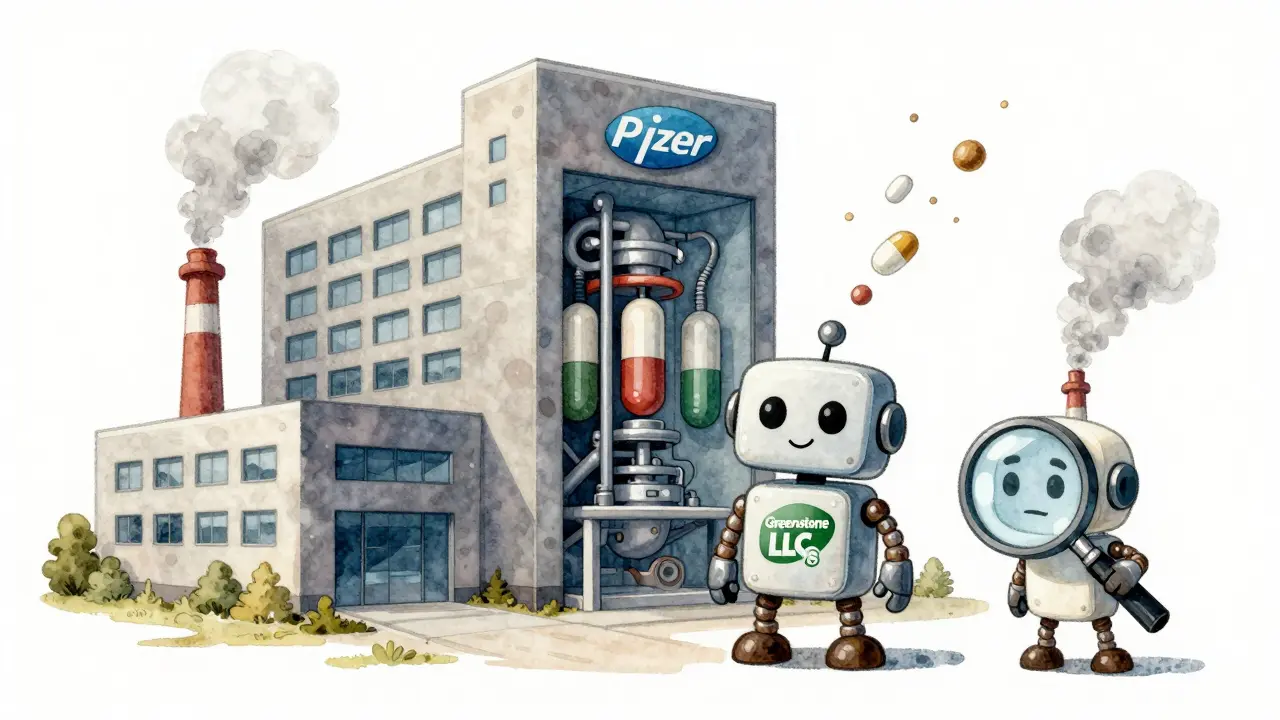
- Wholly-owned subsidiary: Around 31% are made by a company owned by the brand. The most famous example is Greenstone LLC, a wholly owned subsidiary of Pfizer Inc.. Since 1998, Greenstone has produced over 70 authorized generics for Pfizer, all using the same equipment, same chemists, same quality checks. No outsourcing. No handoff. Just Pfizer’s product with a new name.
- Third-party contract manufacturer: The remaining 17% are made by outside companies-but under strict rules. The brand company must add that third-party site to its own NDA. That means the FDA has to approve the facility, the process, and the batch testing. It’s not a simple contract. It’s a full regulatory extension. For example, when Novartis launched an authorized generic of Comtan, it used a third-party plant, but only after filing a Prior Approval Supplement (PAS) and waiting over two years for FDA sign-off.
Here’s the kicker: even when made by a third party, the authorized generic must match the brand drug down to the last particle. Same active ingredient. Same excipients. Same manufacturing process. Same testing. The FDA doesn’t allow any variation.
Why Does This Matter? The Quality Advantage
Traditional generics are made by companies that file Abbreviated New Drug Applications (ANDAs). They have to prove bioequivalence, but they don’t have to use the same factory or formula. In fact, only about 12% of traditional generics use the same manufacturing process as the brand, according to the FDA’s 2023 Orange Book analysis.
But authorized generics? Nearly 68% are made in the same facility as the brand. That means fewer variables. Fewer chances for small changes to affect how the drug works. If you’ve ever had a generic that didn’t seem to work the same, it might have been because the manufacturer used a different binder, a different coating, or a different drying process. That’s not possible with an authorized generic.
Take Teva’s authorized generic of Copaxone. When they launched it in 2021, they had to keep the exact same glass vials, the same lyophilization (freeze-drying) cycle, and the same filling speed-all because the brand version used those parameters to ensure stability. Change one thing, and the FDA says no. That level of control doesn’t exist with most generics.
Who Benefits? The Real Players in the Game
On the surface, authorized generics sound like a win for patients-lower prices, same quality. But the strategy is more complex.
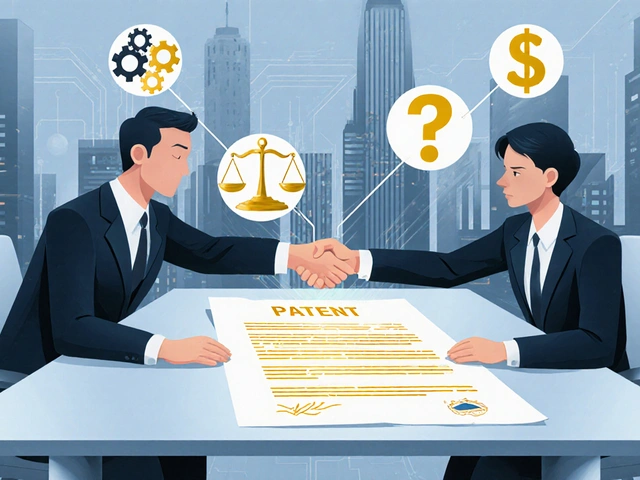
Brand companies use them to block competitors. When a patent is about to expire, launching an authorized generic can flood the market with a low-priced version before any other generic companies even get their ANDA approved. This can delay or even prevent true generic competition. In 2020, Mylan (now Viatris) started making an authorized generic of Pfizer’s Lyrica. That move came just months before Lyrica’s patent expired. The result? Fewer other generics entered the market, and prices stayed higher than they might have otherwise.
Dr. Aaron Kesselheim from Harvard Medical School called this "artificial competition" in a 2021 JAMA Internal Medicine study. He argued that authorized generics protect brand profits by creating the illusion of choice without letting real generics take hold.
But the FDA sees it differently. Their 2023 Transparency Initiative says authorized generics are a way to ensure quality access. They point out that these drugs meet the same standards as the brand-no exceptions. And in many cases, they’re the only reason patients get affordable versions of complex drugs like injectables or extended-release tablets.
The Big Shift: More Subsidiaries, More Transparency
Something’s changing. More brand companies are setting up their own generic arms. Pfizer has Greenstone. AstraZeneca has Az generici, which made over $1.2 billion in sales in 2022 from its authorized generic of Nexium. AbbVie, the maker of Humira, has already set up Soliris Generics to handle its authorized generic launch when Humira’s patents expire in 2025.
Why? Because control matters. If you’re going to make a generic, you’d rather control every step than rely on a third party who might cut corners or get audited by the FDA.
And now, thanks to a new FDA rule starting January 1, 2024, you’ll know where your authorized generic came from. Manufacturers must now disclose whether it was made in the same facility as the brand. That’s a direct response to the Government Accountability Office’s 2022 report, which found that patients and insurers had no way to tell if their "generic" was really the same product.
What This Means for You
If you’re taking a medication that has an authorized generic version, you’re getting the same drug your doctor prescribed-just cheaper. And if it’s made by the original manufacturer, you’re getting the same quality too.
Ask your pharmacist: "Is this an authorized generic?" If they say yes, ask: "Is it made by the brand company?" You might be surprised. Some pharmacies automatically substitute the cheapest generic, even if it’s not the authorized version. But if you want the closest thing to the brand, the authorized version is it.
And if you’re paying out of pocket? Look for the authorized generic. It’s often the best value-not because it’s cheaper than other generics, but because it’s more reliable. No guesswork. No variability. Just the same drug you trust, at a discount.
Authorized Generics in Numbers
As of Q3 2023, there were 217 authorized generic products on the U.S. market. That’s 7.3% of all generic drugs. But they make up 9.2% of total generic sales-$4.7 billion a year. Why? Because they’re often used for higher-cost drugs: heart meds, brain drugs, diabetes treatments.
The top three therapeutic areas for authorized generics:
- Cardiovascular: 28%
- Central nervous system: 22%
- Metabolic agents: 18%
And the compliance rate? Facilities making authorized generics had a 98.7% cGMP compliance rate in 2022-higher than traditional generic manufacturers. That’s not a coincidence. These are the same plants that made the brand. The FDA doesn’t cut them any slack.
| Feature | Authorized Generic | Traditional Generic |
|---|---|---|
| Manufactured by | Brand company or its subsidiary | Independent generic manufacturer |
| Regulatory pathway | Original NDA | Abbreviated New Drug Application (ANDA) |
| Same manufacturing site as brand? | Yes, in 68% of cases | Only 12% of cases |
| Requires bioequivalence study? | No | Yes |
| Labeling | Private label, no brand name | Generic name only |
| Quality control | Same as brand | Must meet FDA standards, but not identical process |
Frequently Asked Questions
Are authorized generics the same as the brand-name drug?
Yes. Authorized generics contain the exact same active ingredient, strength, dosage form, and route of administration as the brand-name drug. They’re made in the same facility, using the same process, and tested the same way. The only differences are the label, packaging, and price.
Can I trust an authorized generic as much as the brand?
Absolutely. Authorized generics are held to the same FDA quality standards as the brand. In fact, because they’re made in the same facility, they often have fewer variations in performance. Many patients report no difference at all when switching from brand to authorized generic.
Why aren’t all generics authorized generics?
Because not every brand company chooses to make one. It’s a business decision. Some prefer to let the market open up to independent generics. Others use authorized generics to control pricing and delay competition. It’s not about quality-it’s about strategy.
How do I know if my drug is an authorized generic?
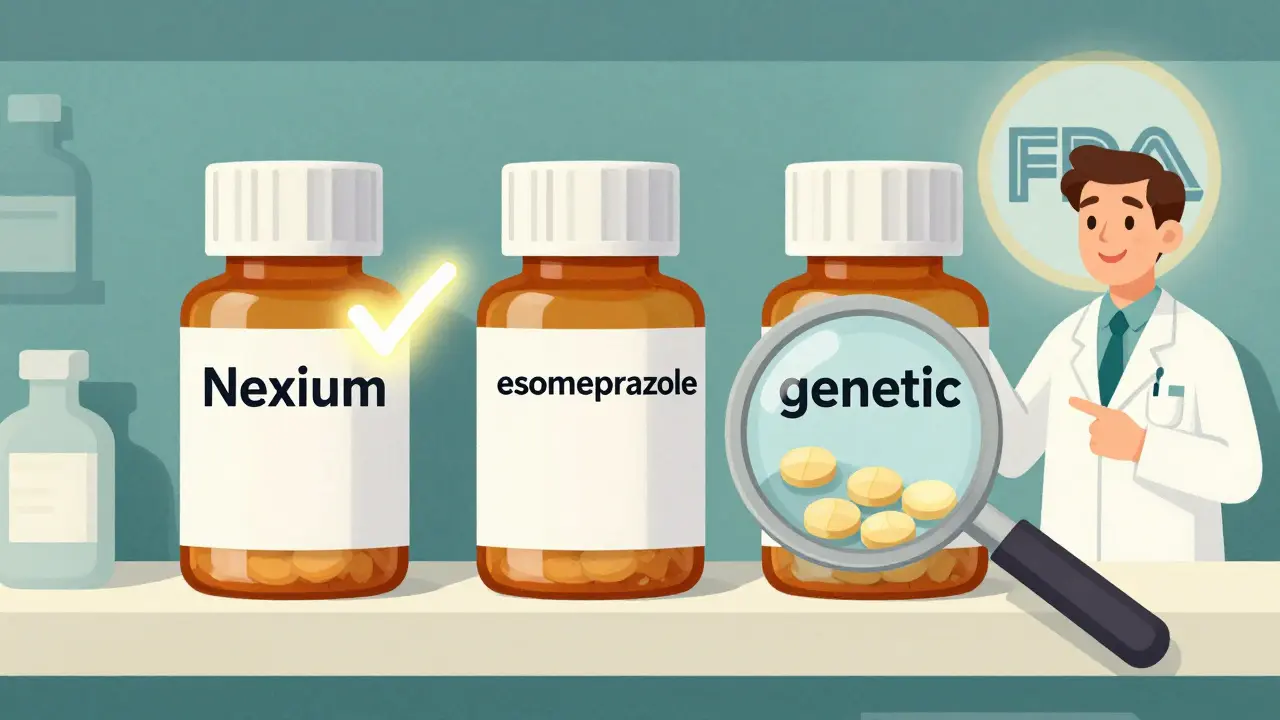
Ask your pharmacist. You can also check the FDA’s Drug Shortages database or the Orange Book, which now includes authorized generic disclosures. Some pharmacies list it on the receipt or label. If the manufacturer name matches the brand (like Greenstone for Pfizer), it’s an authorized generic.
Will authorized generics lower drug prices long-term?
It’s mixed. Authorized generics bring down prices right away-but they can also delay true generic competition. Once multiple independent generics enter the market, prices drop further. Authorized generics often keep prices higher than they’d be in a fully open market. But for patients without insurance, they’re still a major savings.
What’s Next?
With over $127 billion in brand-name drugs set to lose patent protection by 2030, authorized generics will only grow. More companies will create subsidiaries. More facilities will be added to NDAs. And more patients will get access to the same drugs they’ve always trusted-at a fraction of the cost.
But the real question isn’t who makes them. It’s whether we’re okay with brand companies controlling the transition from brand to generic. The system works. The drugs are safe. But the strategy? That’s still being debated.

Chelsea Harton
16 January, 2026 . 09:33 AM
so like... the brand company makes the generic too? that’s wild. i always thought generics were totally different companies. guess i was wrong lol
Henry Ip
17 January, 2026 . 20:46 PM
this makes so much sense now. i’ve been on a few meds where the generic just didn’t feel right and now i know why. same factory = same experience. no guesswork.
Cheryl Griffith
17 January, 2026 . 22:35 PM
as someone who’s had bad reactions to generics before, this is huge. i used to think it was me being dramatic but turns out the binders and coatings change everything. authorized generics saved my sanity with my anxiety med. never switching back.
swarnima singh
19 January, 2026 . 14:59 PM
corporations are so sneaky. they pretend to help us with cheap meds but really they’re just shutting out real competition. this isn’t transparency its manipulation. we need real reform not fancy labels.
Isabella Reid
20 January, 2026 . 16:51 PM
the fact that the FDA is now requiring disclosure is a win. people deserve to know if their "generic" is actually the same pill they’ve been taking. i’m gonna start asking my pharmacist every time now.
Stephen Tulloch
22 January, 2026 . 01:39 AM
obviously the real winners here are the pharma bros who get to keep their monopoly while pretending to be nice. 🤡💸
Joie Cregin
23 January, 2026 . 11:45 AM
i never thought about how complex injectables like copaxone are to replicate. the freeze-drying cycle? the glass vials? that’s not just chemistry-it’s art. if the brand did it that way for stability, why risk changing it? authorized generics aren’t just cheaper-they’re smarter.
Melodie Lesesne
23 January, 2026 . 13:09 PM
my dad’s on a med that has an authorized generic and he swears it works better than the other generics. i didn’t believe him until i read this. now i’m checking all my prescriptions. good info.
Corey Sawchuk
23 January, 2026 . 15:31 PM
the 98.7% cGMP compliance rate is insane. that’s higher than most brand-name facilities. if you want quality stick with the authorized ones. no debate.
Rob Deneke
24 January, 2026 . 23:54 PM
so if the brand makes the generic and it’s cheaper why don’t they just sell it under their own name? why the whole separate label thing? just curious
evelyn wellding
25 January, 2026 . 22:03 PM
omg this changed my life 🙌 i’ve been paying $400 for my brand and just found out the authorized version is $12 at my pharmacy. i’m switching today!!
Bianca Leonhardt
26 January, 2026 . 13:51 PM
you people are naive. this isn’t about quality it’s about profit. the FDA is just a puppet for big pharma. stop drinking the kool-aid.
Travis Craw
28 January, 2026 . 09:55 AM
the fact that greenstone is a pfizer subsidiary is wild. i had no idea they even had a whole division just for this. guess they’re trying to control the whole pipeline