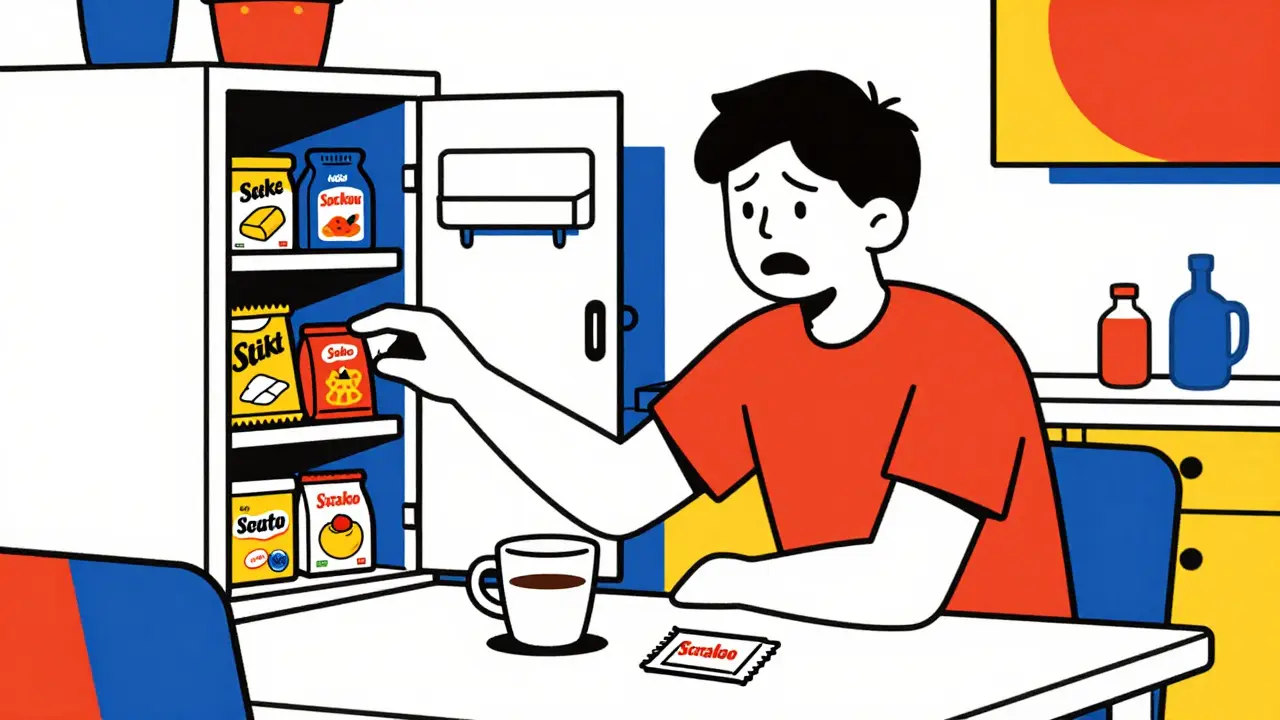
Imagine this: you swap your morning latte’s sugar for a packet of sucralose, expecting to save calories and stay full longer. Instead, by mid-afternoon, you’re raiding the pantry for snacks. You aren’t imagining things, and you aren’t weak-willed. The relationship between sweetness, hunger, and brain chemistry is far more complex than "calories in, calories out." While sugar provides energy that signals satiety, artificial sweeteners provide intense sweetness without the energy payload. This disconnect can confuse your body’s hunger signals, leading to increased cravings for some people while helping others manage their weight.
The debate isn’t just about whether these sweeteners are safe-they are approved by major health agencies-but whether they help or hinder your ability to control what you eat. Recent research reveals that the answer depends heavily on the type of sweetener, how long you’ve been using it, and even your biological sex. Understanding these nuances is the key to deciding if cutting sugar with artificial alternatives is the right move for your specific metabolism and lifestyle goals.
The Biology of Sweetness and Hunger Signals
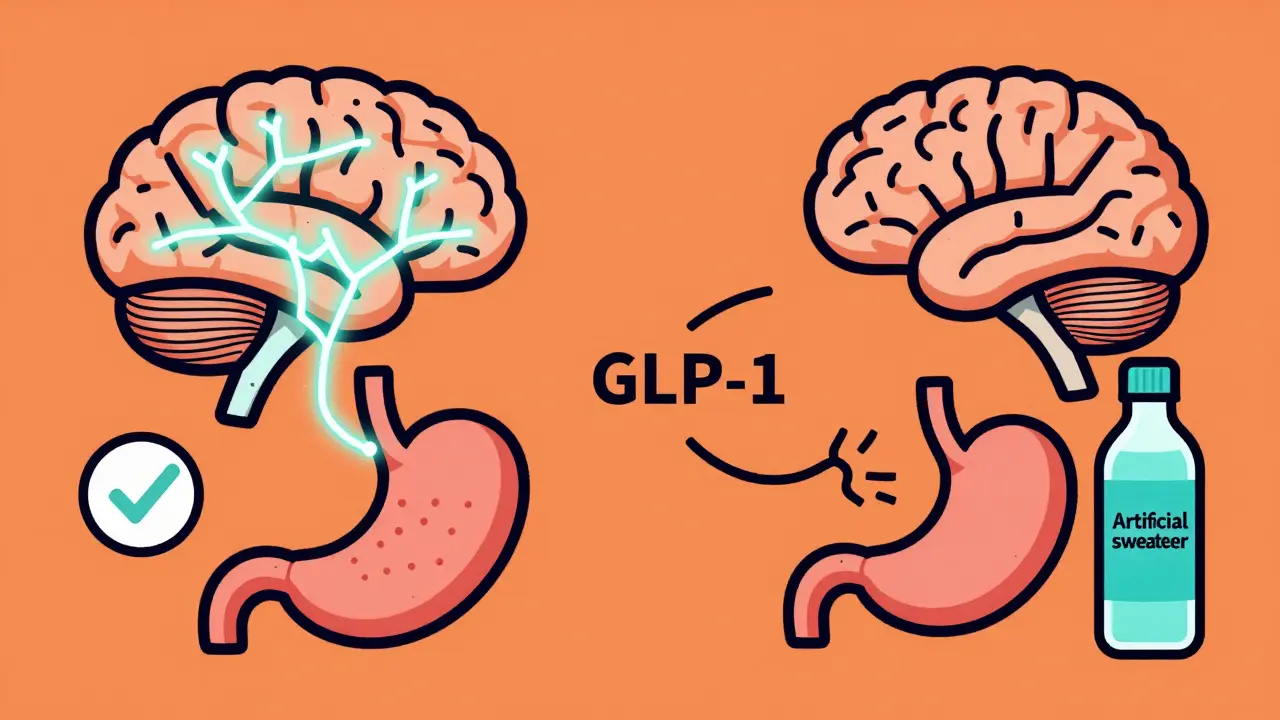
To understand why artificial sweeteners might make you hungrier, we first need to look at how your body normally handles sugar. When you consume sucrose (table sugar), your taste buds detect sweetness, but your gut also detects the presence of carbohydrates. This dual signal triggers the release of glucagon-like peptide-1 (GLP-1), a hormone that tells your brain, "We have fuel; stop eating." It’s a closed loop of satisfaction.
Artificial sweeteners break this loop. They activate the sweet taste receptors on your tongue but bypass the gut’s energy detection system. A pivotal 2023 study from the University of Southern California, published in Cell Metabolism, found that sucralose specifically failed to stimulate GLP-1 release. Without this hormonal signal of fullness, participants reported a 17% increase in subjective hunger ratings. Essentially, your brain tastes sugar but doesn’t receive the corresponding "full" message from your gut, leaving you in a state of metabolic confusion.
This isn't just about hormones; it's about neural pathways. Functional magnetic resonance imaging (fMRI) scans from the same USC study showed that sucralose altered communication between the hypothalamus (the brain's hunger center) and the anterior cingulate cortex (involved in decision-making). Interestingly, this effect was not uniform across all people. Female participants showed a 23% alteration in this neural communication compared to only 12% in males. Dr. Kirsten Berding, the lead author, noted that these differences explain why previous research has been so mixed-different groups respond differently at a brain level, with women showing up to 40% greater changes in hypothalamic activity.
Do Artificial Sweeteners Increase Calorie Intake?
If your brain is confused, does it lead to overeating? The data here is contradictory, largely depending on the timeframe of the study. Short-term studies often show neutral or even beneficial effects, where swapping sugar for sweeteners reduces daily calorie intake. A 2021 meta-analysis in Nutrients reviewing 15 randomized controlled trials concluded that non-nutritive sweeteners reduced daily energy intake by an average of 112 kcal compared to sugar-containing alternatives.
However, long-term adaptation tells a different story. The brain is designed to learn. If you consistently pair intense sweetness with zero calories, your brain may recalibrate its reward centers. Researchers at the University of Sydney demonstrated this mechanism in a 2016 study using fruit flies. After five days of exposure to sucralose, the flies consumed 30% more calories when given naturally sweetened food. Their brains had essentially forgotten the link between sweetness and energy, driving them to seek more calories to feel satisfied.
Human studies mirror this potential for "recalibration." Preload experiments cited in a 2010 NIH publication found that drinking aspartame-sweetened water increased subjective appetite ratings by 27% in normal-weight adult males compared to those who drank plain water. More recent data from 2024 by the German Center for Diabetes Research (DZD) suggests that prolonged use of sucralose can activate hypothalamic hunger centers by 34%. The implication is clear: while artificial sweeteners might help you cut calories today, they might make you crave more food tomorrow if your brain decides sweetness no longer equals fuel.
| Sweetener Type | Caloric Content | Impact on GLP-1 (Satiety Hormone) | Reported Hunger Effect | Neural Recalibration Risk |
|---|---|---|---|---|
| Sugar (Sucrose) | High | Strong stimulation | Promotes short-term satiety | Low (Natural pairing) |
| Sucralose | Zero | Minimal to none | Increased hunger in 17% of users | High (Long-term use) |
| Aspartame | Zero | Variable | Increased appetite in 27% (preload studies) | Moderate |
| Stevia | Zero | Mild stimulation | Neutral to slightly reduced cravings | Low |
Individual Differences: Why It Works for Some and Not Others
One size does not fit all when it comes to sweeteners. Your response to artificial sweeteners is influenced by your gender, weight status, and metabolic health. As mentioned earlier, women appear to have a more pronounced neural response to sweeteners like sucralose, potentially making them more susceptible to appetite disruption. Men, while still affected, show less dramatic changes in hypothalamic communication.
Weight status also plays a role. The USC study highlighted that individuals with obesity experienced a sharper increase in subjective hunger after consuming sucralose compared to leaner individuals. This suggests that if you are already struggling with metabolic regulation, artificial sweeteners might exacerbate hunger signals rather than suppress them.
User experiences align with these clinical findings. On Reddit’s r/loseit community, 68% of respondents reported reduced cravings when using artificial sweeteners, likely because they successfully replaced high-calorie treats. However, 32% described increased hunger, particularly after prolonged use of sucralose. Similarly, a 2023 survey by the American Diabetes Association found that while 74% of diabetics reported better blood sugar control with sweeteners, 41% experienced increased appetite, especially with aspartame products. This split indicates that for many, the benefit of stable blood glucose is outweighed by the downside of heightened cravings.
Natural vs. Artificial: Is There a Better Option?
Given the potential for appetite disruption, many consumers are turning to natural non-nutritive sweeteners. The market reflects this shift: in 2023, 43% of EU consumers preferred stevia and monk fruit derivatives over traditional options like aspartame and sucralose. But do natural sweeteners avoid the hunger trap?
Stevia and monk fruit extract are derived from plants and are generally considered to have a milder impact on gut-brain signaling. Consumer surveys indicate that stevia-based products like Truvia receive higher satisfaction ratings regarding appetite control, with only 15% of negative reviews mentioning appetite issues, compared to 28% for Splenda (sucralose). Registered dietitians surveyed by Today's Dietitian in 2023 recommended starting with low-intensity sweeteners like monk fruit (150x sweeter than sugar) rather than high-intensity options like sucralose (600x sweeter) to minimize potential appetite disruption.
However, "natural" doesn't mean immune to the recalibration effect. Any substance that provides intense sweetness without calories carries the risk of decoupling taste from energy. The key difference may be intensity and purity. Blends used in commercial products often mix multiple sweeteners (e.g., sucralose + acesulfame potassium) to mimic sugar's profile, which might amplify the confusing signal to the brain. Pure stevia or monk fruit, used sparingly, may offer a safer middle ground for those sensitive to artificial additives.
Practical Strategies for Managing Cravings
If you choose to use artificial sweeteners for weight management or blood sugar control, how can you mitigate the risk of increased hunger? Here are evidence-based strategies:
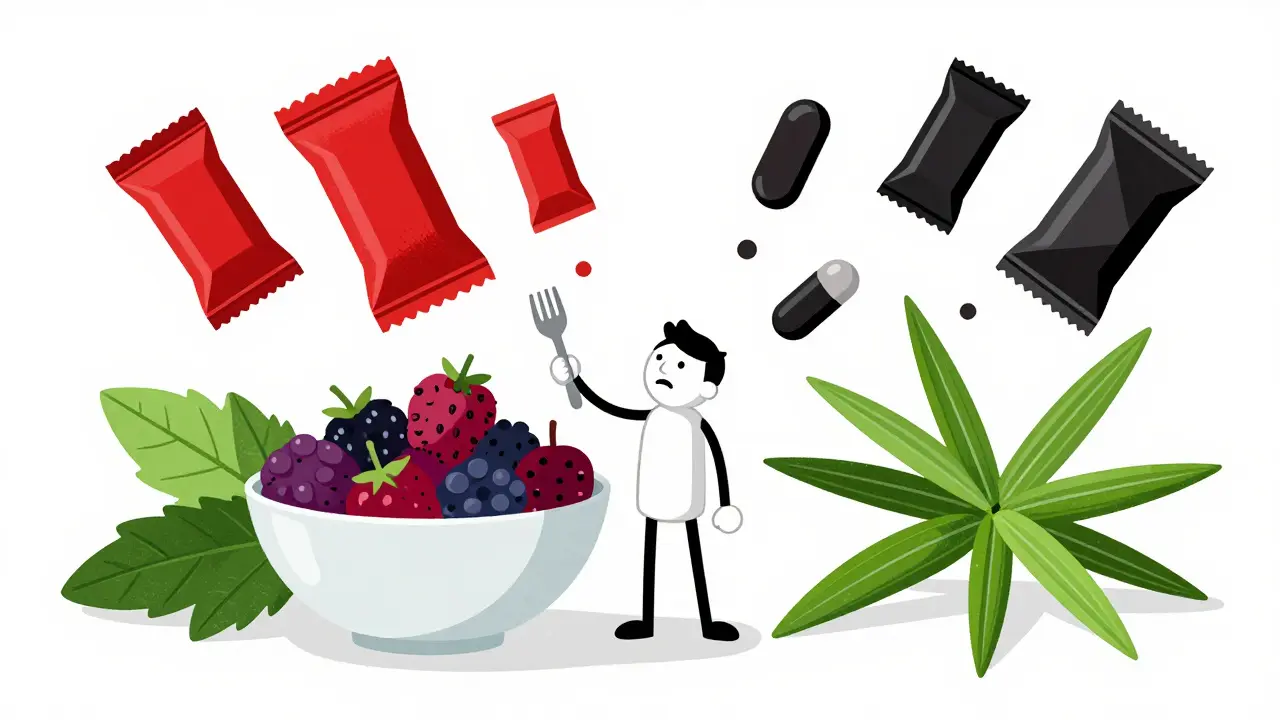
- Pair with Protein or Fat: Don't consume sweeteners in isolation. A 2021 clinical study showed that combining artificial sweeteners with protein (like Greek yogurt) reduces hunger responses by 22% compared to sweeteners alone. The protein provides the necessary satiety signals that the sweetener lacks.
- Allow an Adjustment Period: Switching from sugar to sweeteners requires a 2-3 week adjustment period. During this time, 38% of participants in the SWEET project reported transient increases in sweet cravings before stabilizing. Expect a temporary bump in hunger as your palate resets.
- Avoid "Sweetness Overload": Limit the number of artificially sweetened products you consume daily. Drinking a diet soda, eating a sugar-free candy bar, and having a sweetened yogurt in one day creates a massive dose of disconnected sweetness. Stick to one or two sources per day.
- Reverse Recalibration: If you find yourself craving sweets constantly despite using sweeteners, try a 4-6 week break from all added sweeteners, both natural and artificial. According to 78% of surveyed dietitians, this period helps reverse the "sweetness recalibration" phenomenon, lowering your baseline preference for intense sweetness.
The Future of Sweetness and Health
The science is still evolving. The NIH-funded SWEET-2 study, launched in 2024, is tracking 10,000 participants over five years to determine long-term metabolic outcomes. Preliminary data shows a 19% higher GLP-1 response to real sugar versus sucralose after 18 months of regular consumption, reinforcing the idea that the gut prefers real nutrients for signaling fullness. Additionally, new funding announced in March 2025 aims to examine sex-specific responses, addressing the gap in understanding why women react differently to these compounds.
For now, the verdict is nuanced. Artificial sweeteners are not magic bullets for weight loss, nor are they universally harmful. For some, they are a vital tool for managing diabetes and reducing overall calorie intake. For others, they trigger a hunger cycle that undermines their efforts. Listen to your body. If you find yourself hungrier after switching to diet drinks or sugar-free snacks, it’s not a failure of willpower-it’s biology. Consider switching to lower-intensity natural sweeteners or focusing on whole-food sources of sweetness like berries, which provide fiber and nutrients alongside their natural sugars.
Do artificial sweeteners really make you hungry?
Yes, for some people. Research indicates that artificial sweeteners like sucralose can fail to trigger satiety hormones like GLP-1, leading to a 17% increase in subjective hunger in some studies. Additionally, long-term use may cause the brain to recalibrate its reward system, increasing cravings for high-calorie foods to compensate for the lack of energy from sweetness.
Which artificial sweetener is best for controlling appetite?
Stevia and monk fruit extract are often considered better options for appetite control. Consumer data shows fewer reports of increased cravings with stevia compared to sucralose or aspartame. These natural sweeteners tend to have a milder impact on gut-brain signaling, though individual responses vary.
Why do women react differently to artificial sweeteners than men?
A 2023 fMRI study found that female participants showed a 23% alteration in neural communication between the hypothalamus and anterior cingulate cortex after consuming sucralose, compared to only 12% in males. Women exhibited up to 40% greater changes in hypothalamic activity, suggesting a stronger neural response to the disconnect between sweetness and calories.
How long does it take for your body to adjust to artificial sweeteners?
The adjustment period typically lasts 2 to 3 weeks. During this time, many people experience transient increases in sweet cravings as their palate and metabolism adapt to the change. If cravings persist, a 4-6 week break from all added sweeteners may be necessary to reset your brain's reward centers.
Can I use artificial sweeteners for weight loss?
They can be a helpful tool, but they are not guaranteed to work for everyone. Short-term studies show they can reduce daily energy intake by ~112 kcal. However, if you find that they increase your hunger or cravings, they may counteract weight loss efforts. Pairing them with protein and limiting daily intake can improve their effectiveness.


Gary Helminiak
31 May, 2026 . 10:33 AM
Hey everyone! 👋 It is absolutely fascinating to see how much deeper the science goes when we look at the gut-brain axis and hormonal responses like GLP-1. 🧠✨ I have been using sucralose for years in my morning coffee, thinking I was being so smart about cutting calories, but reading about that 17% increase in subjective hunger really makes me pause and rethink my daily routine. ☕️ The part about women showing a 23% alteration in neural communication compared to men is such a crucial detail that often gets overlooked in general health advice. 📉👩🔬 It really highlights why one size definitely does not fit all when it comes to metabolic health and appetite regulation. We need to listen to our bodies more closely rather than just following generic trends. If you are feeling hungrier after switching to diet drinks, please know it is not your fault or a lack of willpower; it is literally biology talking! 🧬💪 Maybe trying stevia or monk fruit could be a gentler transition for some of us? 🌿 Let's keep sharing our experiences because community knowledge is so powerful here! 💖
Michael Schurmann
1 June, 2026 . 22:44 PM
The average consumer clearly lacks the intellectual capacity to grasp the nuance of metabolic recalibration without oversimplifying it into "sugar bad, sweetener good." It is amusing how people cling to these zero-calorie crutches while ignoring the fundamental biological reality that sweetness signals energy availability. If you cannot handle the complexity of your own hypothalamus, perhaps you should stick to eating plain vegetables. The data regarding the 34% activation of hunger centers by sucralose is not a suggestion; it is a physiological fact that only those with rudimentary understanding would dismiss as anecdotal.
Christina Mitchell
3 June, 2026 . 09:49 AM
I find this perspective incredibly empowering because it shifts the blame from personal failure to biological response. 🌟 It is so important to recognize that our bodies are complex ecosystems, and what works for one person might disrupt another entirely. The idea that we can use this knowledge to make kinder choices for ourselves-like pairing sweeteners with protein or taking a break-is truly liberating. We are not broken; we are just learning how to navigate a modern food environment that wasn't designed for us. Embracing this understanding allows us to move forward with compassion and curiosity rather than judgment. Thank you for shedding light on these nuances! 🙏✨
Christopher Laver
3 June, 2026 . 14:30 PM
Boring read. Just eat less.
Russell Russell
4 June, 2026 . 00:40 AM
Let us take a moment to appreciate the resilience required to adjust our diets based on new scientific evidence. The concept of a two-to-three-week adjustment period is not merely a statistic; it is an invitation to practice patience with our own physiology. When we understand that our brains are recalibrating reward centers, we can approach cravings with mindfulness rather than resistance. This is a journey of self-discovery, where every bite informs our next choice. By embracing the strategy of pairing sweeteners with protein, we are actively supporting our body's natural satiety signals. Remember, progress is rarely linear, but consistency yields results. You are capable of mastering this balance if you give yourself the grace to adapt.
dane thorp
4 June, 2026 . 18:25 PM
I appreciate the detailed breakdown of the studies cited, particularly the distinction between short-term and long-term effects. It is important to respect the boundaries of individual metabolism and not generalize findings across all populations. The mention of sex-specific responses is a valid point that deserves attention without becoming sensationalized. Keeping the discussion focused on the data provided helps maintain a respectful and informative environment for everyone reading this thread.
Naresh Chandra
6 June, 2026 . 12:06 PM
I hear you on the confusion regarding hunger signals!! It is truly disheartening when our bodies do not respond as expected., yet there is hope in understanding these mechanisms!!! The study about female participants having a stronger neural response is significant,,, and it validates many women's experiences who felt something was off after switching to artificial options!!! We must listen to these bodily cues with empathy and care!!!!
Cyburg Adeoye
7 June, 2026 . 23:20 PM
The paradigm shift towards recognizing the neuro-gastrointestinal interplay is pivotal for holistic wellness optimization!!! As we delve into the intricacies of GLP-1 modulation and hypothalamic recalibration,, it becomes evident that personalized nutritional strategies are imperative for sustained metabolic homeostasis!!! The empirical evidence suggesting a 34% activation of hunger centers via sucralose necessitates a reevaluation of current dietary protocols,,,, especially for individuals exhibiting heightened sensitivity to non-nutritive sweeteners!!! Embracing this multifaceted perspective empowers us to make informed decisions aligned with our unique physiological architectures!!!
Joseph Teichman
8 June, 2026 . 01:50 AM
Try adding protein to ur meals. Helps with the hunger pangs. Dont overdo the sweet stuff either. Keep it simple.
Grace Gayle McMullen
8 June, 2026 . 15:04 PM
i noticed the same thing with my diet soda habit. i would drink it and then crave actual sweets later. its wild how our brains get tricked. i switched to monk fruit recently and its way better, though it has a weird aftertaste sometimes. but at least i dont feel like im starving an hour later. maybe its worth a try if u havent already?