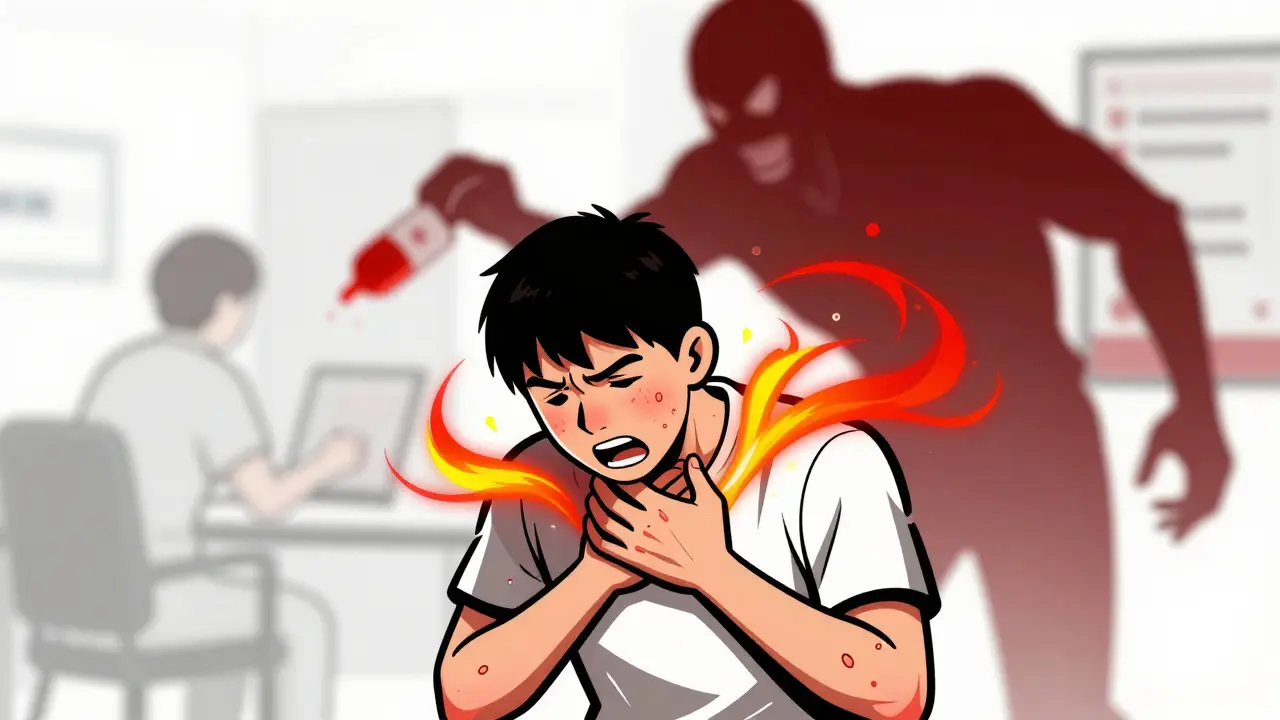
You take a pill. You feel fine. Then, suddenly, your throat tightens, or your skin starts to peel. It happens fast, and it is terrifying. Most people know that medications can cause side effects like nausea or drowsiness. But severe adverse drug reactions (ADRs) are different. These are not just annoying; they are life-threatening emergencies that require immediate action.
Understanding the difference between a mild rash and a medical crisis can save your life or the life of someone you love. This guide breaks down exactly what to look for, which drugs carry the highest risk, and what steps you must take when seconds count.
What Is a Severe Adverse Drug Reaction?
An adverse drug reaction is any harmful response to a medication taken at normal doses. The World Health Organization defines this as a noxious and unintended response used for therapy or diagnosis. While many ADRs are mild, severe ones fall into a specific category defined by the U.S. Food and Drug Administration (FDA).
The FDA classifies an event as "serious" if it results in death, is life-threatening, requires hospitalization, causes permanent disability, or is medically significant. If you are reading this because you are worried about a reaction, ask yourself one question: Is this symptom putting my life or long-term health in danger? If yes, it is a severe ADR.
The Four Types of Severe Reactions
Not all bad reactions happen the same way. Doctors categorize them based on how the immune system responds. Knowing these types helps you recognize the timeline of symptoms.
- Type I (Immediate): This is the fastest and most dangerous type. It involves IgE antibodies and can lead to anaphylaxis within minutes to two hours. Symptoms include hives, swelling, wheezing, and low blood pressure.
- Type II (Cytotoxic): These reactions occur days later. Antibodies attack your own cells, potentially causing hemolytic anemia or low platelet counts. Onset is typically 5 to 10 days after exposure.
- Type III (Immune Complex): Similar to Type II but involving immune complexes. This leads to serum sickness-like symptoms, appearing 7 to 14 days after taking the drug.
- Type IV (Delayed): These are T-cell mediated reactions. They include severe cutaneous adverse reactions (SCARs) like Stevens-Johnson Syndrome (SJS) and Toxic Epidermal Necrolysis (TEN). These are rare but deadly, with mortality rates up to 50% for TEN.
Recognizing Anaphylaxis: The Immediate Threat
Anaphylaxis is a systemic allergic reaction that affects multiple body systems. It is a race against time. According to the Resuscitation Council UK, untreated anaphylaxis has a mortality rate of 0.3% to 1%. That number sounds small, but it represents preventable deaths.
You need to act immediately if you see these signs:
- Airway issues: Swelling of the tongue or throat, difficulty swallowing, or a feeling of choking.
- Breathing problems: Wheezing, shortness of breath, or persistent coughing.
- Circulation collapse: Dizziness, fainting, rapid weak pulse, or pale/clammy skin.
- Skin changes: Hives (urticaria), flushing, or angioedema (deep swelling).
If you suspect anaphylaxis, do not wait. Do not drive yourself. Call emergency services immediately. If you have an epinephrine auto-injector, use it now. The guidelines state that initial treatment should never be delayed by a lack of complete history. Epinephrine is the only first-line treatment. Antihistamines are too slow and do not stop airway closure.
Severe Skin Reactions: SJS and TEN
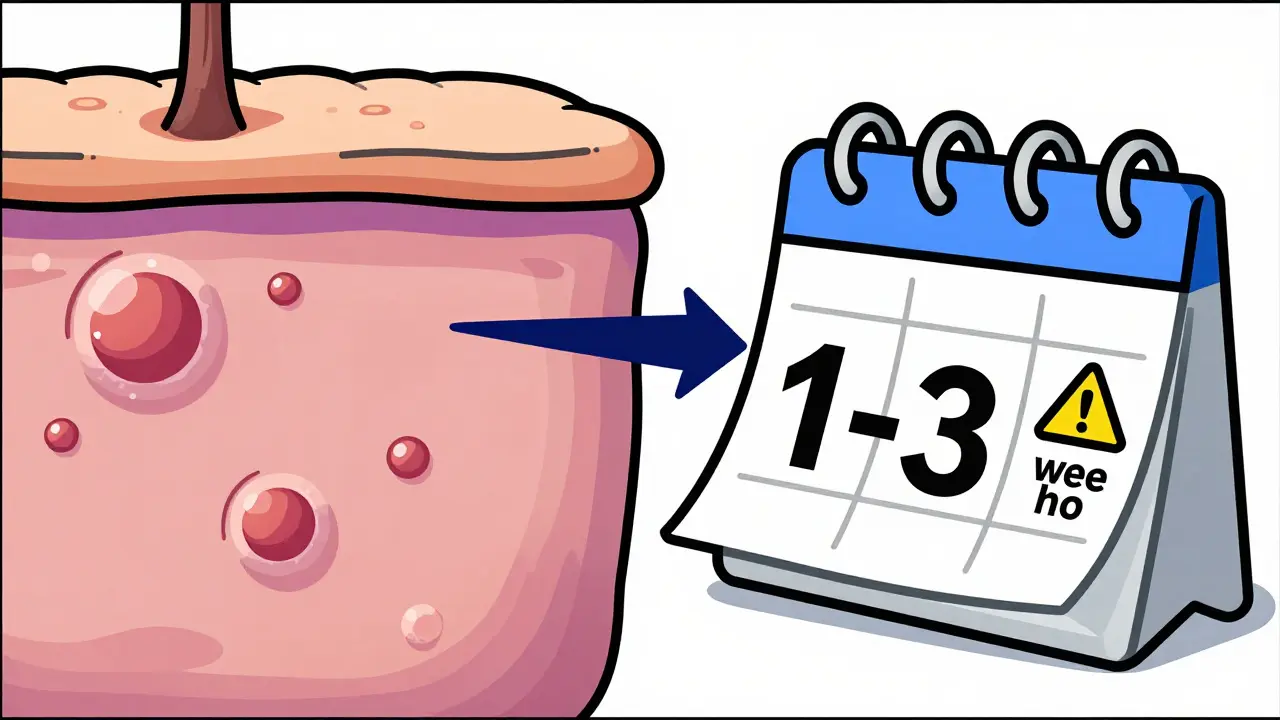
While anaphylaxis strikes fast, severe skin reactions often creep up over days. Stevens-Johnson Syndrome (SJS) and Toxic Epidermal Necrolysis (TEN) are related conditions where the top layer of skin detaches from the lower layers.
SJS affects less than 10% of body surface area, while TEN affects more than 30%. Mortality for SJS is around 10%, but for TEN, it jumps to 30-50%. These conditions require care in specialized burn units, not just a standard hospital room.
Watch for these early warning signs, usually appearing 1 to 3 weeks after starting a new medication:
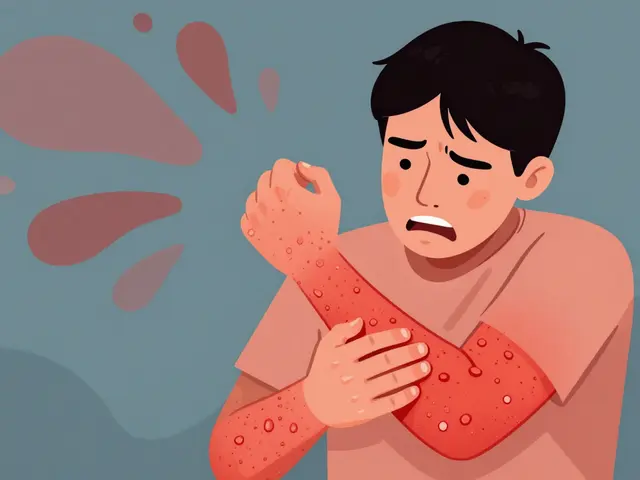
- Flu-like symptoms (fever, fatigue) followed by a painful red or purple rash.
- Blistering on the skin, mouth, eyes, or genitals.
- Skin that sloughs off (peels) when touched lightly (Nikolsky sign).
Common culprits include certain antibiotics (like sulfonamides), anti-seizure medications, and allopurinol (used for gout). If you see blistering skin, go to the emergency department immediately. Early discontinuation of the drug is the single most important factor in survival.
High-Risk Medications to Watch
Some drugs carry a higher statistical risk of severe ADRs. The National Action Plan for Adverse Drug Event Prevention identifies three high-priority categories:
| Medication Class | Primary Risk | Key Warning Signs |
|---|---|---|
| Anticoagulants (e.g., Warfarin, Apixaban) | Severe Bleeding | Unusual bruising, blood in urine/stool, headache with confusion |
| Opioids (e.g., Oxycodone, Fentanyl) | Respiratory Depression | Slow/shallow breathing, extreme drowsiness, unresponsiveness |
| Diabetes Agents (e.g., Insulin, Sulfonylureas) | Hypoglycemia | Shaking, sweating, confusion, loss of consciousness |
| NSAIDs (e.g., Ibuprofen, Naproxen) | Anaphylaxis / GI Bleed | Wheezing, stomach pain, black tarry stools |
| Antibiotics (e.g., Penicillin, Sulfonamides) | Allergy / SJS/TEN | Hives, facial swelling, blistering rash |
If you are prescribed opioids, ensure someone knows how to use naloxone. If you are on blood thinners, monitor for signs of internal bleeding. Knowledge is your best defense.
What To Do In An Emergency
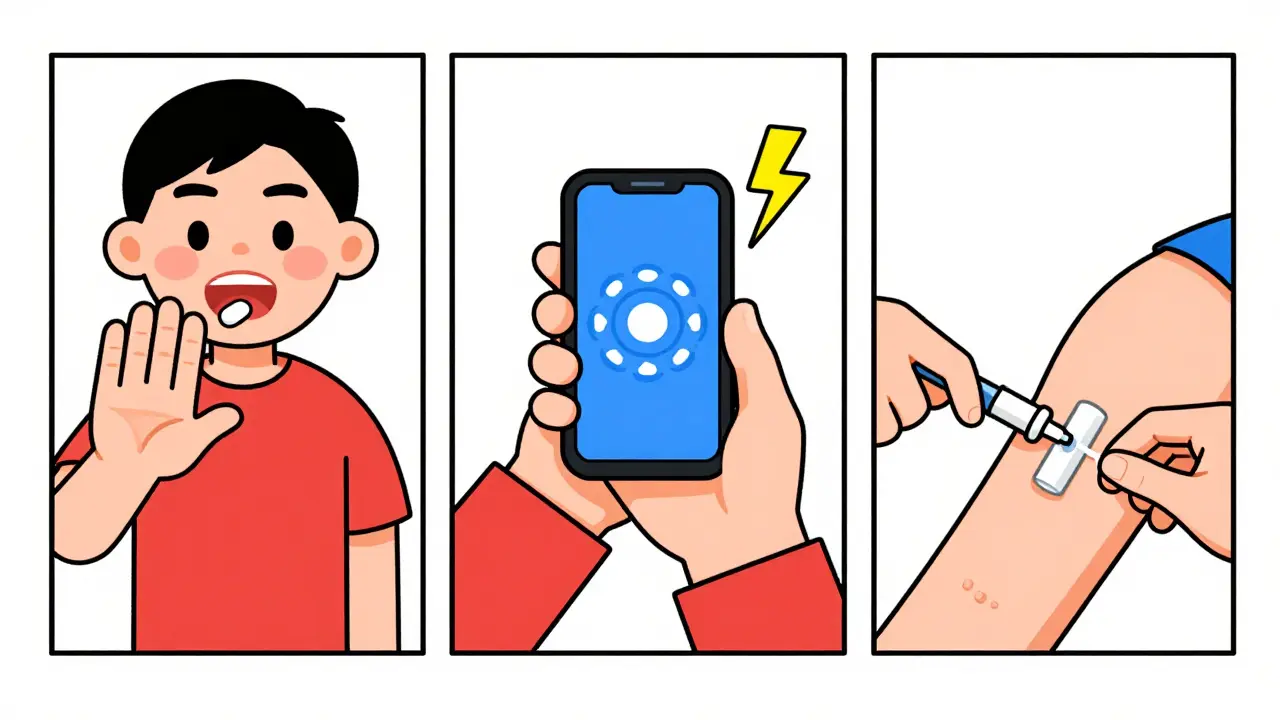
Panic clouds judgment. Follow this simple protocol:
- Stop the drug. Do not take another dose. If it is an infusion, stop it immediately.
- Call for help. Dial your local emergency number (911 in the US, 000 in Australia, 999 in the UK). State clearly that you suspect a severe drug reaction.
- Use Epinephrine if available. For anaphylaxis, inject into the mid-outer thigh. Do not hesitate. If symptoms persist after 5-15 minutes, a second dose may be needed.
- Position correctly. Lie flat with legs raised if dizzy or faint. If vomiting or pregnant, lie on your side. Do not let a person having trouble breathing sit upright if they are fainting.
- Bring the medication. Take the pill bottle or package to the hospital. This helps doctors identify the culprit quickly.
Prevention and Long-Term Management
Once you have survived a severe ADR, the work isn't done. You need a plan to prevent it from happening again.
First, get a formal diagnosis. Not every rash is an allergy. An allergist can perform testing to confirm the specific trigger. Second, update your medical records. Ensure every doctor, dentist, and pharmacist knows about your reaction. Wear a medical alert bracelet if the reaction was life-threatening.
For patients with known severe allergies, carrying an epinephrine auto-injector is mandatory. Check the expiration date regularly. Train family members and coworkers on how to use it. The American Academy of Family Physicians emphasizes that education and preparedness reduce anxiety and improve outcomes.
Finally, report the reaction. Systems like the FDA’s MedWatch or the WHO Programme for International Drug Monitoring rely on patient reports to track safety signals. Your experience could warn others and lead to updated safety labels.
How quickly does anaphylaxis occur after taking a medication?
Anaphylaxis is typically a Type I hypersensitivity reaction, meaning it occurs rapidly. Symptoms usually start within minutes to two hours after exposure. However, in rare cases, biphasic reactions can occur hours later. If you have a history of drug allergies, the reaction may be faster and more severe.
Can antihistamines treat a severe drug reaction?
No. Antihistamines like Benadryl are too slow-acting and do not address the critical airway and blood pressure issues in anaphylaxis. They are only adjunctive treatments for mild skin symptoms. Epinephrine is the only effective first-line treatment for life-threatening reactions.
What is the difference between SJS and TEN?
Stevens-Johnson Syndrome (SJS) and Toxic Epidermal Necrolysis (TEN) are part of the same disease spectrum. The difference lies in the extent of skin detachment. SJS involves less than 10% of the body surface area, while TEN involves more than 30%. Intermediate cases (10-30%) are called SJS/TEN overlap. Both are medical emergencies requiring specialized burn unit care.
Should I stop my medication if I develop a mild rash?
It depends. A mild, localized rash might be a benign side effect. However, if the rash is widespread, painful, or accompanied by fever or swelling, stop the medication and contact your doctor immediately. Never ignore a new rash when starting a new drug, as it could be the early stage of a severe reaction like SJS.
How do I report a severe adverse drug reaction?
In the United States, you can report to the FDA via the MedWatch program. In Australia, you can report to the Therapeutic Goods Administration (TGA). Globally, the WHO Programme for International Drug Monitoring collects data. Reporting helps regulatory bodies identify patterns and issue warnings to protect public health.