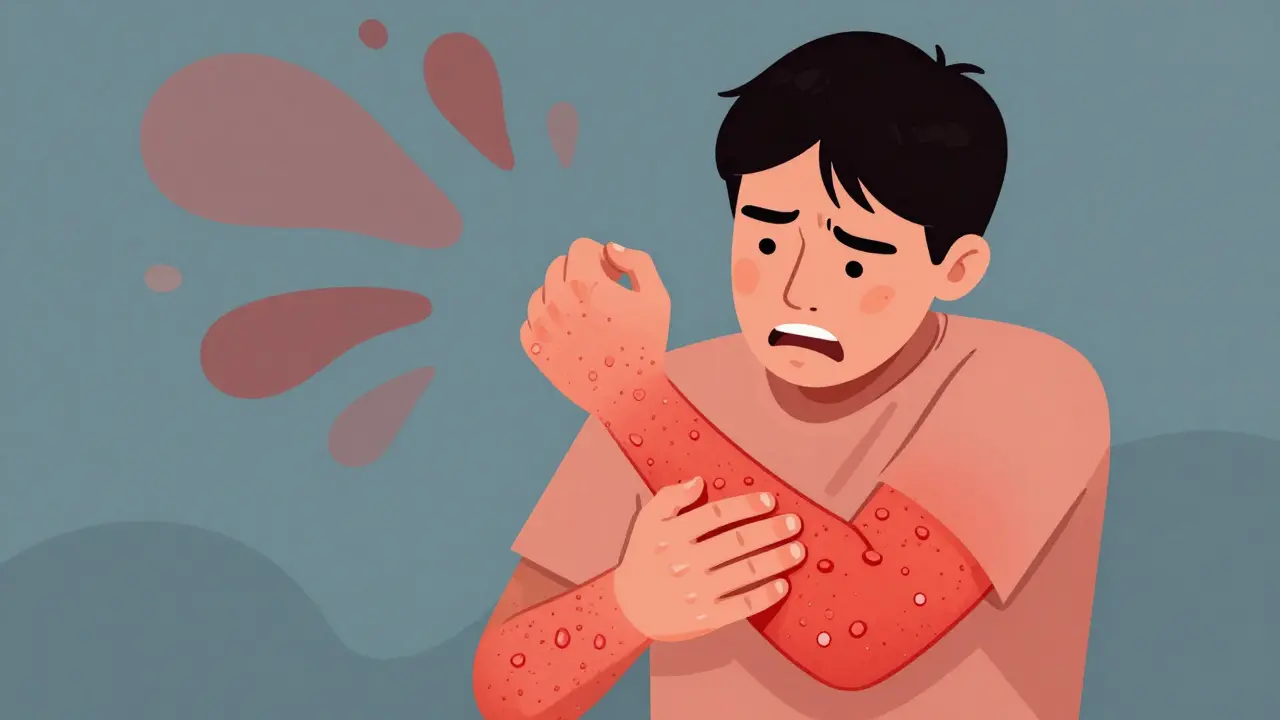
Imagine scratching your skin until it bleeds, not because of a bee sting or a pollen flare-up, but for no reason at all. If you have Chronic Spontaneous Urticaria, also known as CSU, this is likely your reality. It is a persistent inflammatory skin condition where hives and swelling appear without any specific trigger for more than six weeks. About 60% to 80% of chronic urticaria cases fall into this category. For many, standard antihistamines just don't cut it. When first-line therapies fail, you need a plan B. This guide breaks down the second-line treatments available in 2026, helping you understand what works, who it works for, and what’s coming next.
When First-Line Therapy Fails
The journey usually starts with second-generation H1 antihistamines. These are the go-to drugs for most people because they are safe and non-drowsy. However, only about 40% of patients achieve significant symptom relief with standard doses. That leaves roughly 60% of people still suffering from painful hives and angioedema. Doctors often try increasing the dose up to four times the normal amount before declaring the treatment a failure. But even with higher doses, many patients hit a wall. This is where second-line treatments step in. The goal isn’t just to reduce symptoms slightly; it’s to get complete control over the disease so you can sleep through the night and live without constant itching.
Omalizumab: The Current Standard
For years, Omalizumab has been the gold standard for second-line therapy. It is a monoclonal antibody that targets IgE, the immune protein involved in allergic reactions. By binding to free IgE, it prevents mast cells from releasing histamine, which causes the hives. You receive it as a subcutaneous injection, typically 300 mg once a month. It works well for about 30% to 70% of patients who didn’t respond to antihistamines. However, it’s not a magic bullet. Around 70% of patients do not achieve complete disease control with omalizumab alone. It is particularly less effective for those with IgG-mediated autoimmune urticaria, a subtype affecting about 30% of CSU patients. If you’ve tried omalizumab and still see hives, you’re not alone, and there are other options on the horizon.
New Contenders: Dupilumab and Remibrutinib
The treatment landscape is shifting rapidly. Two new drugs have shown promising results in recent phase 3 clinical trials completed in 2024. Dupilumab is an anti-IL-4Rα antibody already approved for eczema and asthma. In trials for CSU, it achieved complete response rates of 30% to 31% at week 24. While these numbers are comparable to omalizumab, dupilumab offers a different mechanism of action that might help patients who didn’t respond to IgE-targeting therapies. Then there is Remibrutinib, a Bruton tyrosine kinase inhibitor (BTKi). This drug takes a unique approach by suppressing both mast cell and basophil degranulation while reducing autoantibody levels. In large trials involving nearly 1,000 adults, remibrutinib showed complete response rates of 28% to 32%. A major advantage here is convenience: remibrutinib is taken orally as a pill, whereas omalizumab requires monthly injections. This could significantly improve adherence for patients who dislike needles.
| Treatment | Type | Administration | Complete Response Rate | Key Benefit |
|---|---|---|---|---|
| Omalizumab | Anti-IgE Antibody | Monthly Injection | ~30-70% partial/complete | Established safety profile |
| Dupilumab | Anti-IL-4Rα Antibody | Injection (every 2 weeks) | 30-31% | Alternative mechanism for non-responders |
| Remibrutinib | BTK Inhibitor | Oral Pill | 28-32% | Convenient oral administration |
| Cyclosporine | Immunosuppressant | Oral Pill | 54-73% improvement | Effective for autoimmune subtypes |

Cyclosporine: The Heavy Hitter
Before biologics became common, Cyclosporine was often used as a third-line option. It remains relevant today, especially for patients with autoimmune CSU who don’t respond to omalizumab. Studies show it improves symptoms in 54% to 73% of these difficult-to-treat cases. However, cyclosporine is a potent immunosuppressant with serious side effects, including kidney dysfunction and high blood pressure. Because of these risks, doctors usually reserve it for severe cases where newer biologics have failed or aren’t accessible. It requires careful monitoring of blood pressure and kidney function, making it a commitment rather than a quick fix.
Why Some Treatments Fail: Understanding Subtypes
Not all CSU is created equal. Experts like Dr. Marcus Maurer emphasize that identifying autoimmune endotypes is critical. About 40% to 50% of CSU cases involve mast cell-activating IgE and/or IgG autoantibodies. If your hives are driven by IgG autoantibodies, omalizumab may not work well because it only targets IgE. This explains why some patients feel frustrated after trying the "standard" second-line treatment. The future of CSU care lies in personalized medicine. Within the next few years, doctors may be able to test for specific antibodies to predict whether you’ll respond better to omalizumab, dupilumab, or a BTK inhibitor like remibrutinib. Until then, trial and error remains part of the process.

Safety and Development Challenges
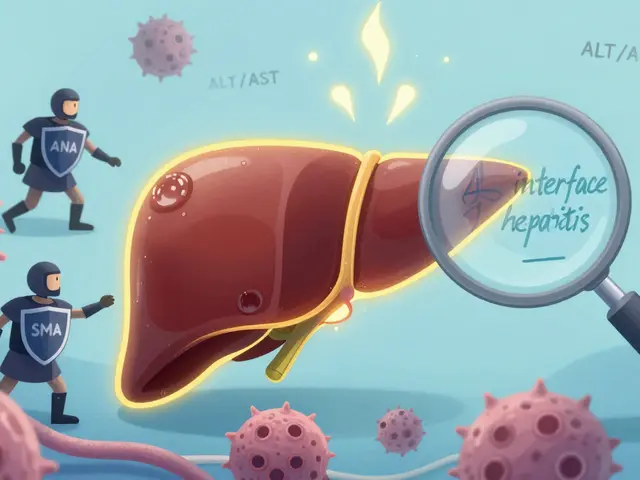
Developing new treatments for CSU is tricky. Not every drug makes it to market. For example, fenebrutinib, another BTK inhibitor, had its CSU program discontinued due to off-target effects causing liver enzyme elevation in some patients. This highlights the importance of safety monitoring. While remibrutinib and dupilumab look promising, long-term data is still being collected. Patients should discuss potential side effects thoroughly with their allergists or dermatologists. For instance, while oral pills are convenient, they require daily adherence and may interact with other medications. Injections, while less frequent, carry risks of injection site reactions. Understanding these trade-offs helps set realistic expectations.
What To Do Next
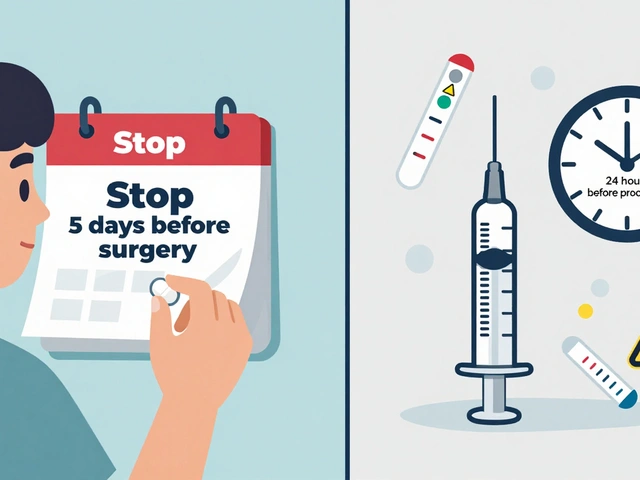
If you are struggling with CSU despite taking antihistamines, don’t give up. Talk to your specialist about escalating to second-line therapy. Ask if omalizumab is right for you, or if you might benefit from emerging options like dupilumab or remibrutinib, depending on availability and approval status in your region. Keep a symptom diary to track your response. Note when hives appear, how severe they are, and any potential triggers, even if they seem unrelated. This data helps your doctor tailor your treatment. Remember, finding the right medication can take time, but complete control is possible for many patients.
What is the first-line treatment for Chronic Spontaneous Urticaria?
The first-line treatment is second-generation H1 antihistamines, such as cetirizine or loratadine. Doctors may increase the dose up to four times the standard amount if symptoms persist.
How does Omalizumab work for CSU?
Omalizumab binds to free IgE antibodies in the blood, preventing them from activating mast cells. This stops the release of histamine and other chemicals that cause hives and swelling.
Is Remibrutinib available for CSU in 2026?
As of late 2024, remibrutinib completed phase 3 trials with positive results. Availability depends on regulatory approvals in your country. Consult your doctor for the latest local information.
Why doesn't Omalizumab work for everyone?
Omalizumab targets IgE. However, about 30% of CSU patients have IgG-mediated autoimmune urticaria, which involves different antibodies. Omalizumab is less effective for this specific subtype.
What are the side effects of Cyclosporine?
Cyclosporine can cause high blood pressure, kidney dysfunction, and increased risk of infections. It requires regular blood tests and monitoring by a healthcare provider.
Can I switch from Omalizumab to Dupilumab?
Yes, if you do not respond adequately to omalizumab, your doctor may consider switching to dupilumab, especially if it becomes approved for CSU in your region. Discuss this transition carefully with your specialist.



Bruno Sarri
21 June, 2026 . 16:46 PM
Hey everyone, just wanted to say that this is a really comprehensive breakdown of the current landscape for CSU treatments. It’s frustrating how long it takes for new options like remibrutinib to actually reach patients after phase 3 trials are done. I hope more people find relief with these newer mechanisms because the standard antihistamine route just doesn’t work for so many of us.
ankit agarwal
22 June, 2026 . 05:52 AM
The epistemological shift in dermatological therapeutics regarding Chronic Spontaneous Urticaria is quite profound when one considers the transition from broad-spectrum H1 antagonism to targeted monoclonal antibody interventions. The efficacy metrics presented here suggest a paradigmatic departure from the historical reliance on cyclosporine, which, while potent, carries significant nephrotoxic liabilities that render it suboptimal for long-term maintenance in non-autoimmune endotypes. One must ponder whether the IgE-centric model of omalizumab sufficiently addresses the heterogeneity of mast cell degranulation pathways, particularly in those cohorts exhibiting IgG-mediated autoantibody profiles. The introduction of Bruton tyrosine kinase inhibitors such as remibrutinib represents a crucial ontological expansion in our therapeutic arsenal, potentially bridging the gap between symptomatic suppression and pathophysiological resolution. Furthermore, the dual inhibition of mast cell and basophil activation via BTKi mechanisms offers a synergistic approach that may outperform single-pathway blockers in refractory cases. We must remain vigilant against the commodification of these biologics, ensuring that access is not merely a function of socioeconomic status but a fundamental right to physiological homeostasis. The data on dupilumab, while promising, requires further longitudinal analysis to determine if its anti-IL-4Rα specificity translates to sustained remission or merely temporary mitigation of pruritic episodes. Ultimately, the future of CSU management lies in precision medicine, where phenotypic characterization dictates pharmacological selection rather than the current trial-and-error methodology that plagues clinical practice.
Stephanie Cree
23 June, 2026 . 12:46 PM
Oh my goodness!!! This article is absolutely *essential* reading for anyone suffering!! 😱📚
I cannot believe how many people are still stuck on old-school treatments when we have these amazing new options available!!! It is simply unacceptable that insurance companies often deny coverage for things like omalizumab without exhausting every other possibility first!!! 😡💔
If you have CSU, you deserve better than just scratching until you bleed!!! You need to advocate for yourself and demand these second-line therapies!!! Don't let doctors dismiss your pain as 'just hives'!!! 🙅♀️✨
Also, can we talk about how convenient oral pills would be compared to monthly injections??? Imagine not having to deal with needles at all!!! Remibrutinib sounds like a game-changer!!! 💊🎉
Alex Johnston
23 June, 2026 . 21:25 PM
Hmm... interesting read, but I have to wonder what they aren't telling us about these 'new' drugs. 🤔 Big Pharma loves pushing expensive biologics when simple solutions might exist elsewhere. Omalizumab has been around for years, and yet here we are in 2026 still dealing with side effects and incomplete responses. Are they really testing these BTK inhibitors thoroughly enough? Or are they rushing them to market to boost stock prices? 📈💰
I always say trust no one in the medical establishment unless they show you the raw data themselves. These 'phase 3 trials' are often cherry-picked results. Stay skeptical, folks. The truth is usually buried under layers of corporate jargon. 🕵️♂️🚫
Sam Dudgeon
25 June, 2026 . 06:16 AM
look i get it its hard but honestly if you cant handle the itching maybe you need to look at your diet or stress levels instead of just popping pills. its not rocket science. most people overreact to everything these days. why do you need a pill for every little thing anyway. seems lazy to me. but whatever suits you i guess. just dont come crying to me when the side effects kick in.
Kimberly Maten-ao
26 June, 2026 . 07:12 AM
This is incredibly dismissive and frankly dangerous advice. CSU is an autoimmune/inflammatory condition, not a lifestyle choice or a result of poor diet alone. Telling someone to just 'deal with it' or implying they are lazy ignores the severe physical and psychological toll this disease takes. Please educate yourself before offering unsolicited medical opinions. People here are looking for factual information about treatment options, not judgment. 👏
Jake Kitzmiller
26 June, 2026 . 11:46 AM
Great summary! For those wondering, yes, remibrutinib is a big deal because it's a pill. Taking a pill daily is way easier for some people than getting shots every month. But remember, every person is different. What works for one might not work for another. Always talk to your doctor about what's best for you. They can help you weigh the pros and cons of each option based on your specific health history. Don't hesitate to ask questions!
Sumit gupta
26 June, 2026 . 16:07 PM
Yeah, the pill vs injection thing is huge. I hate needles so much. If remibrutinib gets approved widely, that would be a lifesaver for me. Also good point about the subtypes. I feel like a lot of doctors just prescribe omalizumab by default without checking if I'm even the right candidate for it. Frustrating process.
Annemarie Kautz
28 June, 2026 . 04:40 AM
i mean its cool info but like... why does it take so long for these drugs to come out?? i've had csu for 5 years and im still on antihistamines that dont work. feels like we are left behind while pharma makes money off eczema and asthma meds. ugh. anyway, thanks for posting though. maybe ill try asking my doc about dupilumab next time. 🤷♀️
Dale Simpson
29 June, 2026 . 00:39 AM
You got this!! It is totally normal to feel frustrated when treatments dont seem to work right away. But there is hope! New options are coming all the time. Keep tracking your symptoms and keep talking to your doctor. You are not alone in this journey. Many people find relief eventually, so dont give up! 🌟💪
alexander barrera
30 June, 2026 . 17:10 PM
Typical American healthcare mess. We have the best drugs in the world but only if you can pay $10k a year for them. 🇺🇸💸 Meanwhile, Europe probably has generic versions already. But sure, let's celebrate another biologic that will bankrupt families. Great job, US healthcare system. Really proud of how we treat our citizens. 🙄📉