Medication Timing Assistant
Select your medication category or a specific drug to see the recommended timing and the clinical reason why it matters.
Medication Name
TimingInstruction: -
Why it matters: -
Please select a medication from the dropdowns above to see timing recommendations.
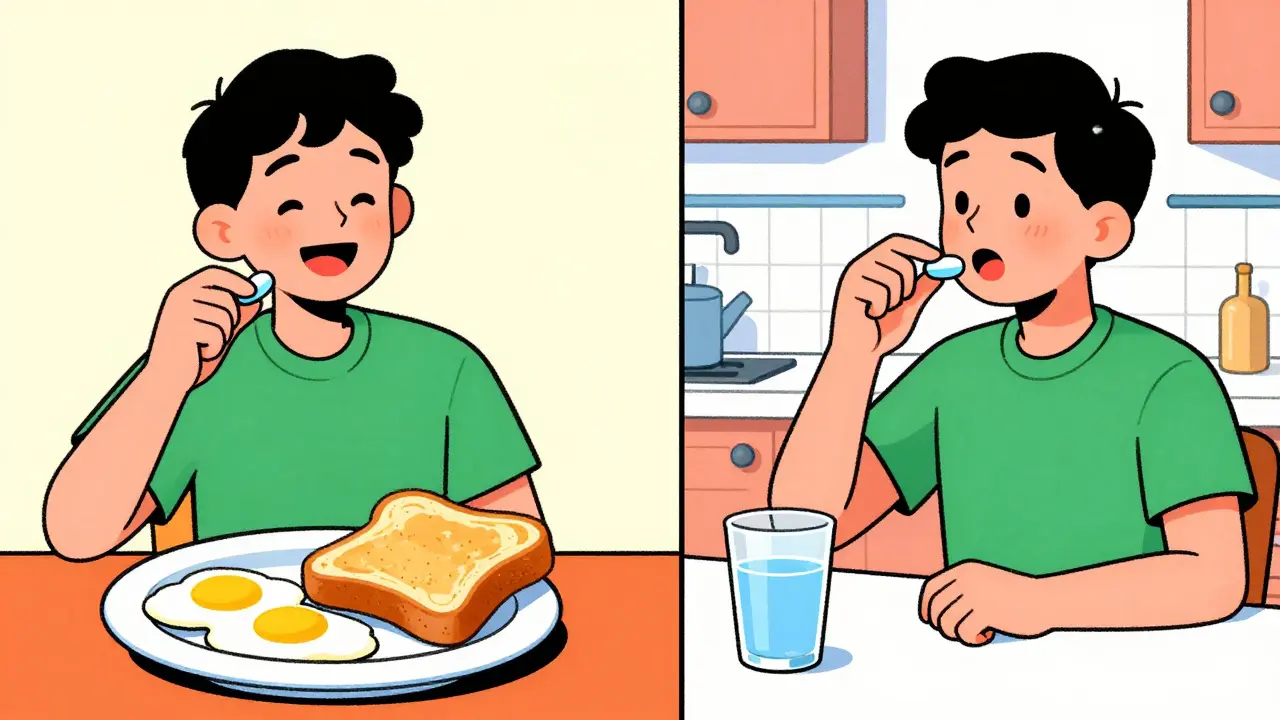
You've probably seen the phrase "take with food" or "take on an empty stomach" on your prescription bottle, and maybe you've wondered if it actually makes a difference. Some of us just pop the pill and grab a coffee without thinking twice. But here is the reality: for about 25% of all prescription drugs, the timing of your meal can be the difference between the medicine working perfectly or barely doing anything at all. In some cases, ignoring these instructions can slash the effectiveness of your treatment by up to 50%.
Why Timing Actually Matters
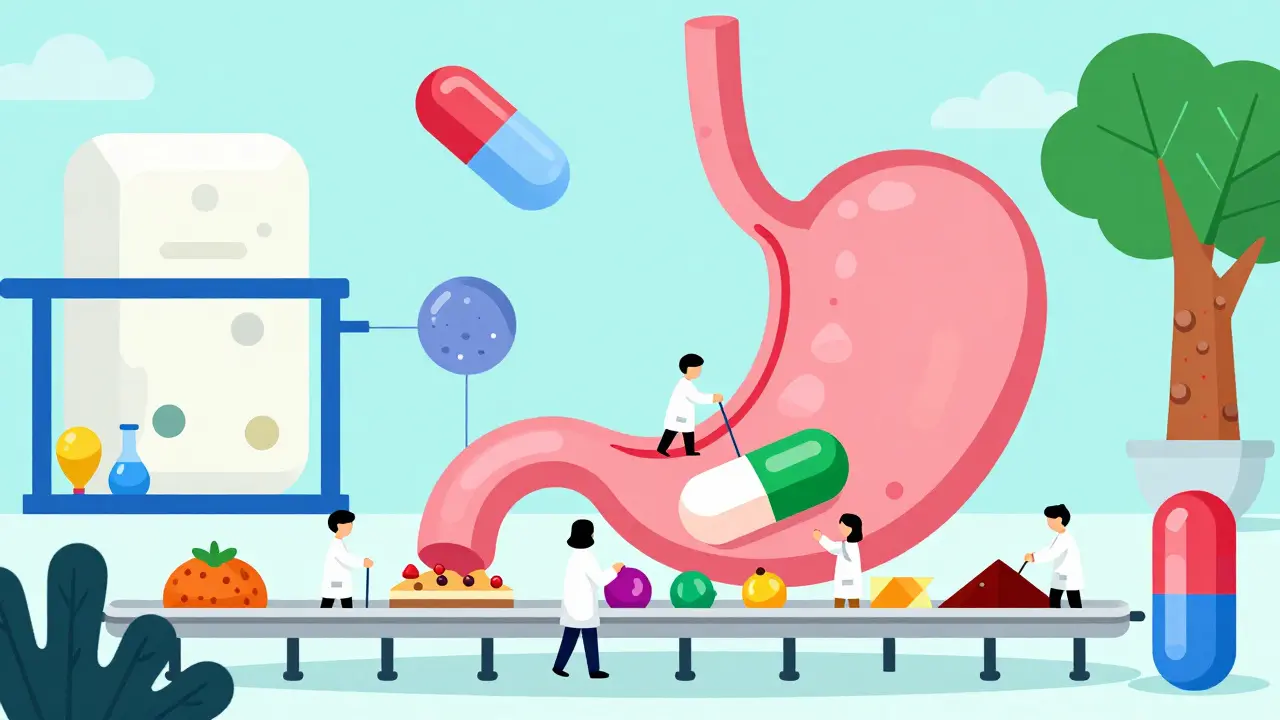
It all comes down to how your body processes a drug, a process called pharmacokinetics. When you eat, your stomach isn't just a holding tank; it's a chemical reactor. For instance, Gastric Emptying is the process by which food and liquids leave the stomach and enter the small intestine . Depending on what you eat, this can take anywhere from 15 minutes to 4 hours. If a drug needs to be absorbed quickly in the stomach but you've just eaten a heavy, high-fat meal, that drug might just sit there, delaying the time it takes to actually start working.
Food also changes the pH levels in your stomach. Normally, your stomach is very acidic, but eating raises that pH. For certain acid-sensitive medications, like some forms of penicillin, this change can cause the drug to break down 40% faster before it even hits your bloodstream. On the flip side, some drugs need a bit of fat or bile-which your body releases during digestion-to be absorbed properly. Without that meal, the drug simply passes through you without being absorbed.
The "Empty Stomach" Rule
When a pharmacist tells you to take a medication on an empty stomach, they aren't just suggesting you skip a snack. In clinical terms, an empty stomach typically means taking your dose 1 hour before or 2 hours after the standard window for gastric clearance to ensure no food interferes with drug absorption eating. Why the strict window? Because some drugs are incredibly sensitive to "chelation," where minerals in food (like calcium in milk or iron in spinach) bind to the medication and block it from entering your system.
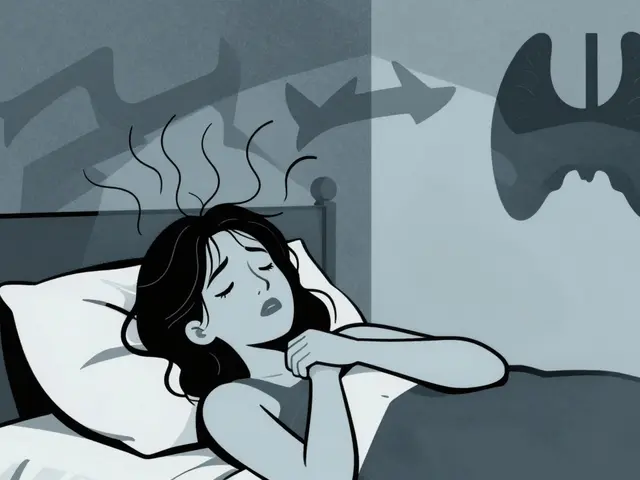
Take Levothyroxine is a synthetic thyroid hormone used to treat hypothyroidism (often sold as Synthroid) as an example. If you take this with breakfast, your absorption could drop by 20% to 50%. It's like missing a quarter of your doses every single week. Another common one is Alendronate is a bisphosphonate medication used to treat osteoporosis (Fosamax), which sees a massive 60% reduction in absorption if food is present.
Then there are the Proton Pump Inhibitors is a class of drugs that significantly reduce gastric acid production (PPIs) like Nexium. These need to be taken 30 to 60 minutes before you eat because they work by blocking the acid pumps that are triggered by the act of eating. If you take them after your meal, you've essentially missed the window of peak effectiveness.
When You Absolutely Need Food
On the other hand, some medications are "stomach irritants." If you take these on an empty stomach, you're asking for trouble. The most common culprits are NSAIDs is Non-steroidal anti-inflammatory drugs used to reduce pain and inflammation , such as ibuprofen (Advil) or naproxen (Aleve). These drugs can irritate the stomach lining and, in severe cases, cause ulcers. Taking them with food can reduce the risk of gastrointestinal complications by as much as 70%.
It's not always about preventing pain, though. Some drugs simply need food to be absorbed or to keep you from feeling sick. For example, certain antidepressants like duloxetine (Cymbalta) can cause significant nausea, but taking them with a meal can cut that incidence by 30%. Similarly, some statins used for cholesterol, like atorvastatin, are absorbed better when paired with a meal.
| Medication Category | Timing Requirement | Why it Matters | Example Drug |
|---|---|---|---|
| Thyroid Hormones | Empty Stomach | Avoids absorption drop (20-50%) | Levothyroxine |
| PPIs (Acid Blockers) | 30-60 min Before Food | Blocks food-triggered acid | Esomeprazole |
| NSAIDs (Pain Relief) | With Food | Prevents stomach ulcers/irritation | Ibuprofen |
| Bisphosphonates | Empty Stomach | Prevents 60% absorption loss | Alendronate |
The Danger Zone: Specific Food Triggers
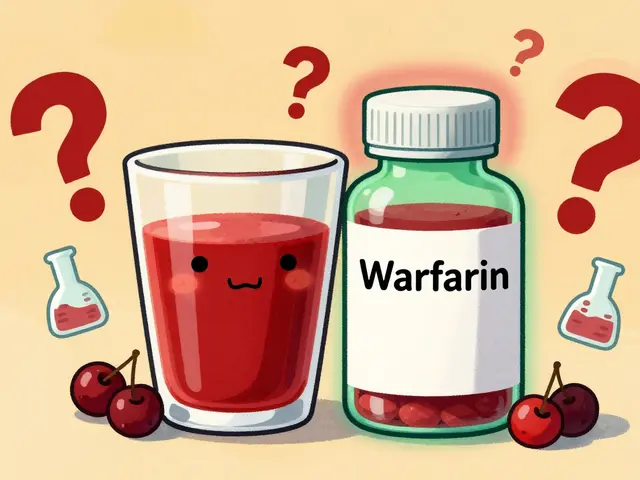
Beyond just "food or no food," some specific items can cause dangerous reactions. The most famous example is grapefruit juice. While it might seem like a healthy choice, grapefruit juice can block the enzymes that break down certain medications, specifically statins. This can cause the drug levels in your blood to spike by 300% to 500%, which drastically increases the risk of rhabdomyolysis-a serious condition where muscle tissue breaks down and damages the kidneys.
Dairy is another trigger. If you're taking tetracycline antibiotics, the calcium in milk can "chelate" the drug, meaning it sticks to the calcium and can't get into your bloodstream. This can reduce the drug's effectiveness by up to 75%. If you're fighting an infection, the last thing you want is for your antibiotic to be neutralized by a glass of milk.
Pro Tips for Managing Your Regimen
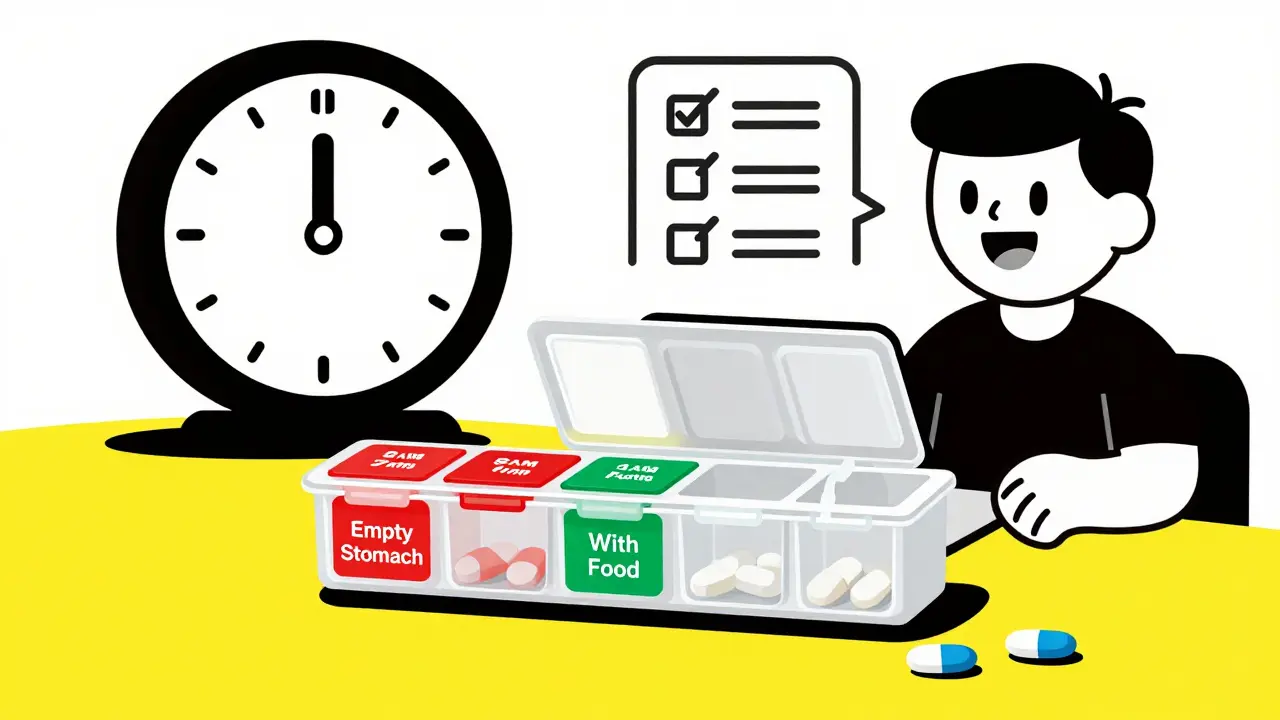
If you're juggling multiple pills with conflicting food requirements, it can feel like a full-time job just to eat and take your meds. The best way to handle this is by using a staggering system. For instance, take your empty-stomach meds (like thyroid hormone) at 7 AM, then wait an hour and have breakfast at 8 AM, taking your food-based meds (like an NSAID or certain antidepressants) during that meal.
To make this easier, try these practical hacks:
- The 2-1-2 Rule: If the label says empty stomach, remember: 2 hours after a meal, or 1 hour before a meal.
- Visual Cues: Use color-coded stickers on your bottles-red for "empty stomach" and green for "with food."
- Tech Help: Apps like Medisafe provide alerts that remind you not just *when* to take the pill, but whether to have a snack first.
- Pill Organizers: Get a pillbox with AM/PM slots and label them specifically as "Before Food" or "With Food."
The Future of Medication Timing
The good news is that science is working to remove this stress. New "next-generation" formulations are hitting the market that use pH-dependent release mechanisms. This means the drug is designed to release only when it hits a certain part of the gut, regardless of whether you've eaten. Some recent trials for thyroid medications using mucoadhesive nanoparticles show consistent absorption across both fed and fasted states, which could eventually mean no more 4 AM alarms for patients.
What does "take on an empty stomach" actually mean?
In medical terms, an empty stomach usually means taking your medication at least one hour before you eat or at least two hours after your last meal. This window ensures that your stomach is clear of food and that gastric pH levels are back to normal, allowing the medication to be absorbed without interference.
Can I take my meds with just a small snack or coffee?
It depends on the drug. For some, a small snack is fine. However, for medications like levothyroxine, even coffee with cream can interfere with absorption. If the instructions specify an empty stomach, it is best to stick to water only until the required window has passed.
Why do some drugs need to be taken with food?
Some medications, like NSAIDs (ibuprofen, naproxen), can irritate the stomach lining and cause ulcers; food acts as a protective buffer. Other drugs require the bile or fats released during digestion to be absorbed into the bloodstream, or food is used to reduce nausea caused by the medication.
What happens if I forget and take a "with food" med on an empty stomach?
Depending on the medication, you might experience stomach pain, nausea, or a higher risk of gastric irritation. For example, taking a high-dose aspirin without food can increase the incidence of gastric irritation. If this happens, monitor for symptoms and try to follow the guidelines for your next dose.
Does grapefruit juice really affect all medications?
Not all, but many. Grapefruit juice interferes with the CYP3A4 enzyme in the gut, which is responsible for breaking down many drugs, including certain statins and calcium channel blockers. This can lead to dangerously high levels of the drug in your system.


emmanuel okafor
11 April, 2026 . 11:24 AM
it is funny how a small piece of bread can change how the body works
Franklin Anthony
13 April, 2026 . 06:45 AM
funny how they tell us about the milk but never mention how the big pharma companies design these gaps to keep us dependent on the timing just to make more money
Victor Parker
14 April, 2026 . 03:20 AM
Exactly!! It is all a game to control us 🙄 and these guidelines are just a way to make the pills feel more like a ritual than medicine
Emily Wheeler
14 April, 2026 . 06:21 AM
I've always felt that the intricate relationship between our dietary habits and the chemical synthesis of medication is a testament to the delicate balance of human biology, and while it can be overwhelming to manage several different schedules, I believe that by approaching our health with a spirit of mindfulness and consistency, we can truly optimize our well-being and support our bodies in the best way possible for the long term.
Peter Meyerssen
16 April, 2026 . 05:49 AM
The pharmacokinetic bioavailability here is essentially a baseline for the plebeians 🙄 honestly the sheer audacity of needing a guide for something so elementary is just peak 21st century ✨
Ryan Hogg
16 April, 2026 . 23:56 PM
I tried taking my meds with food like this says and I still feel like garbage. My whole life is just one long sequence of things not working the way they are supposed to and now I can't even trust a pill bottle.
danny Gaming
18 April, 2026 . 03:12 AM
idk why u care about this stuff just take the pill and move on we got real problems in this country unlike these fake health tips lol
kalpana Nepal
19 April, 2026 . 04:30 AM
Only in the West do they make such simple things complicated with these guides when natural herbs are better
Danny Wilks
19 April, 2026 . 10:55 AM
It is quite fascinating to observe how these strict pharmacological windows create a structured rhythm in a person's morning routine, almost like a secular liturgy of health that requires precise adherence to ensure the chemical efficacy of the treatment is not compromised by the simple act of eating a piece of toast.
Trey Kauffman
21 April, 2026 . 01:42 AM
Oh wow, so you're telling me that eating food might actually affect how a chemical enters my body? Truly a revolutionary discovery that definitely wasn't common knowledge for decades.
Ben hogan
22 April, 2026 . 14:54 PM
Absolute waste of time reading this. Anyone with a brain already knows how absorption works without needing a
Rakesh Tiwari
23 April, 2026 . 18:07 PM
I love how we pretend these
Camille Sebello
25 April, 2026 . 14:34 PM
DO YOU TAKE YOURS WITH WATER?? Or JUICE?? I need to know!!!
Simon Jenkins
27 April, 2026 . 14:20 PM
The sheer tragedy of it all! Imagine the horror of a 20% drop in absorption because of a piece of fruit! It is an absolute catastrophe for the patient's endocrine system and honestly, the medical community should be screaming from the rooftops about the dangers of a casual breakfast! It's simply heart-wrenching to think of the missed dosages!