Grapefruit Interaction Checker
Tip: Try searching for common brand names like Zocor, Plendil, or generic names like Simvastatin.
Interaction Details
Select a medication from the list to view its interaction risk with grapefruit.
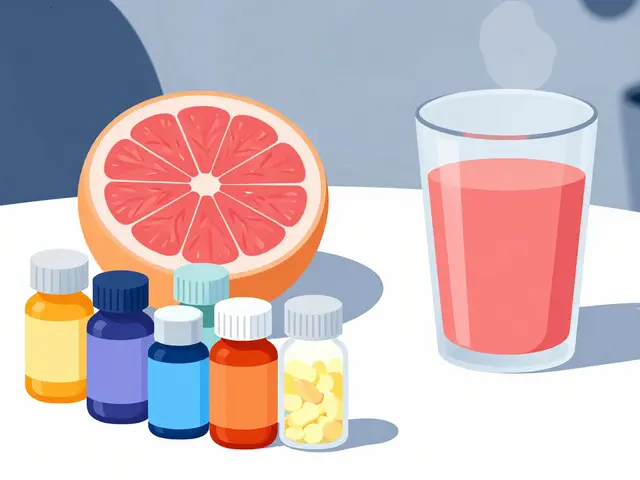
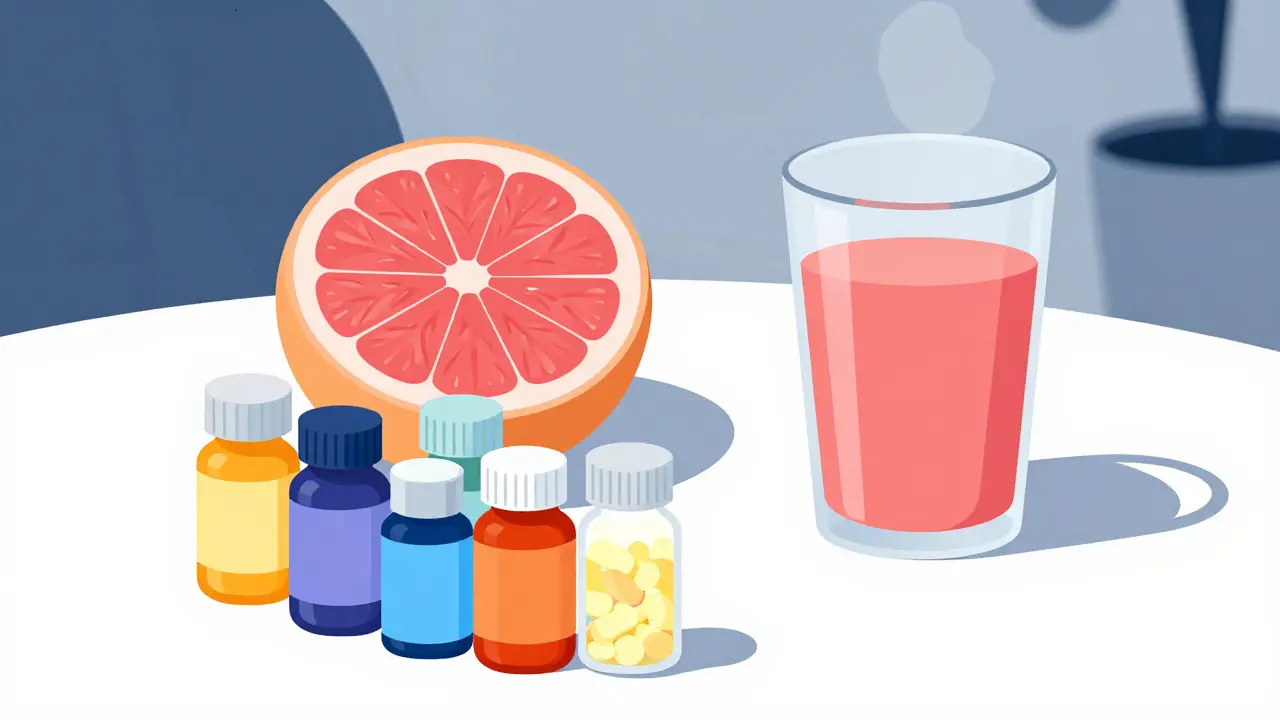
Imagine taking your morning medication with a fresh glass of juice, only to find that you’ve accidentally doubled-or even tripled-the dose in your bloodstream. This isn’t a hypothetical scenario; it’s a well-documented medical reality for thousands of people who consume grapefruit while on certain prescriptions. The interaction between this popular citrus fruit and specific drugs is not just a minor side note-it can be life-threatening.
For many, grapefruit is a breakfast staple or a refreshing snack. But for those taking common medications for cholesterol, blood pressure, or anxiety, this fruit acts like an uninvited guest at the party, disrupting how your body processes medicine. Understanding why this happens and which drugs are involved is crucial for your safety.
The Science Behind the Interaction: Why Grapefruit Is Different
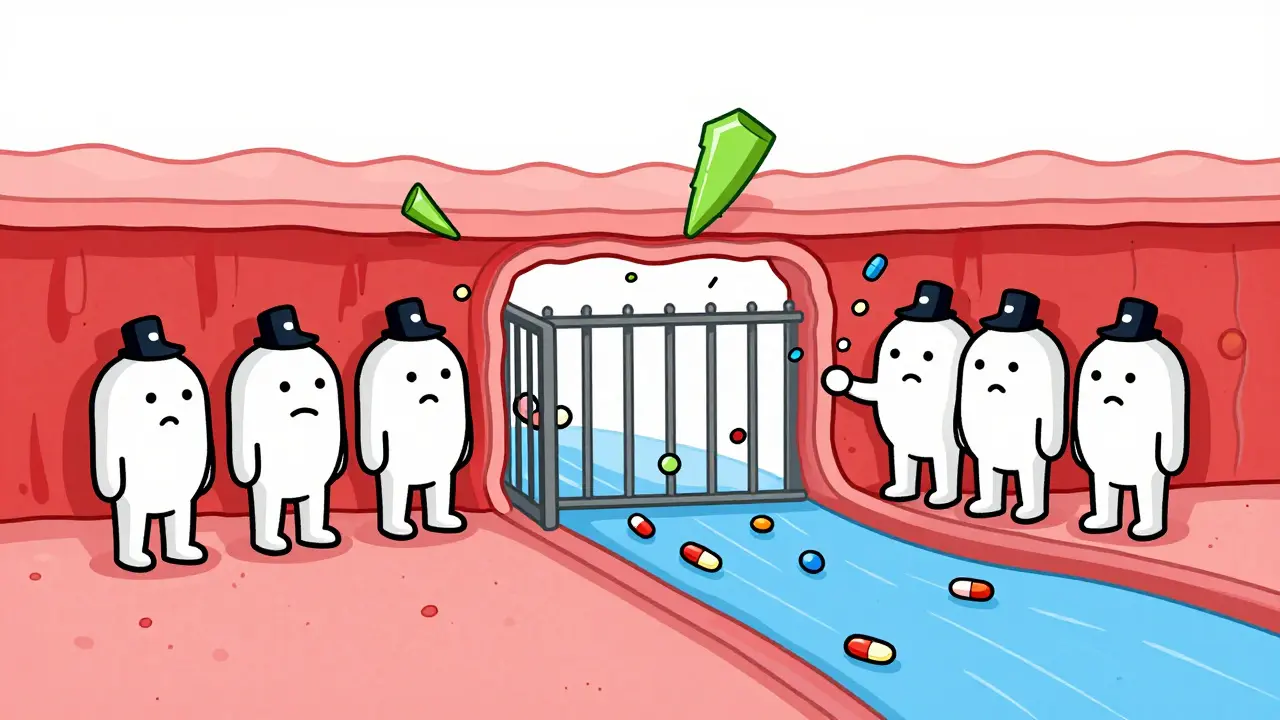
To understand why grapefruit interferes with medication, we need to look inside your intestines. Your gut lining contains enzymes called CYP3A4 enzymes responsible for breaking down many drugs before they enter your bloodstream. Think of these enzymes as bouncers at a club. They check every drug molecule trying to get into your system and break down a significant portion of them-a process known as first-pass metabolism. This ensures that only the right amount of medication reaches your organs.
Grapefruit contains compounds called furanocoumarins chemicals like bergamottin that inhibit intestinal enzymes, specifically bergamottin and 6',7'-dihydroxybergamottin. When you eat grapefruit, these compounds permanently disable the CYP3A4 "bouncers." Unlike other inhibitors that wear off quickly, furanocoumarins cause irreversible damage to the enzymes. Your body has to grow new enzymes to replace the destroyed ones, a process that takes 24 to 72 hours.
Because the bouncers are gone, much more of the drug enters your bloodstream than intended. For some medications, this means the difference between a therapeutic dose and a toxic overdose. This mechanism was first identified in 1989 by David G. Bailey and colleagues at the University of Western Ontario, who discovered that grapefruit juice increased felodipine plasma concentrations by 355%. Since then, science has confirmed that this isn't a rare anomaly but a consistent pharmacological phenomenon.
Which Medications Are Most Dangerous to Mix?
Not all drugs interact with grapefruit, but the list of affected medications is long and includes some of the most commonly prescribed drugs in the world. As of recent updates from the FDA and health organizations like UCLA Health, over 85 medications have documented interactions. Here are the major categories you need to watch out for:
- Statins (Cholesterol Medications): Simvastatin (Zocor), lovastatin (Mevacor), and atorvastatin (Lipitor) are heavily metabolized by CYP3A4. Consuming grapefruit with simvastatin can triple its blood levels, significantly increasing the risk of rhabdomyolysis-a serious condition where muscle tissue breaks down and can lead to kidney failure. Note that pravastatin (Pravachol) and rosuvastatin (Crestor) do not interact significantly because they use different metabolic pathways.
- Calcium Channel Blockers (Blood Pressure): Drugs like amlodipine (Norvasc), nifedipine (Procardia), and felodipine (Plendil) can see their plasma concentrations rise by 150% to 355%. This can cause dangerously low blood pressure, dizziness, and swelling.
- Immunosuppressants: Cyclosporine (Sandimmune), tacrolimus (Prograf), and sirolimus (Rapamune) are critical for organ transplant patients. Grapefruit can increase their exposure by 300% to 1100%, leading to severe toxicity, kidney damage, and increased infection risk.
- Anxiety and Psychiatric Drugs: Buspirone (Buspar) and some benzodiazepines like diazepam (Valium) can become excessively potent, causing extreme sedation or respiratory issues.
- Allergy Medications: Fexofenadine (Allegra) absorption can be blocked by grapefruit through a different mechanism involving transport proteins, reducing its effectiveness rather than increasing toxicity.
| Drug Class | Example Medications | Interaction Type | Potential Risk |
|---|---|---|---|
| Statins | Simvastatin, Lovastatin | Increased Absorption | Muscle damage, Kidney failure |
| Calcium Channel Blockers | Amlodipine, Nifedipine | Increased Absorption | Low blood pressure, Dizziness |
| Immunosuppressants | Tacrolimus, Cyclosporine | Increased Absorption | Organ toxicity, Infection |
| Allergy Meds | Fexofenadine | Decreased Absorption | Reduced efficacy |
| Safe Statins | Rosuvastatin, Pravastatin | No Significant Interaction | None |
Does Timing Matter? Can You Just Wait a Few Hours?
A common question is whether separating the medication and the grapefruit by a few hours solves the problem. The short answer is no. Because furanocoumarins irreversibly inhibit the CYP3A4 enzymes, the effect lasts for up to 72 hours. Eating grapefruit in the evening will still affect how your body processes medication taken the next morning.
This persistence is what makes the interaction so tricky. It’s not about immediate chemical mixing in the stomach; it’s about the structural damage to the enzyme machinery in your intestinal wall. Until your body regenerates those enzymes, your drug metabolism remains altered. Therefore, complete avoidance of grapefruit products is the only safe strategy for patients on high-risk medications.
Other Citrus Fruits: Are They Safe?
If you love citrus, you might wonder if swapping grapefruit for oranges or lemons is a safe workaround. Generally, sweet oranges, lemons, and limes do not contain significant amounts of furanocoumarins and are considered safe. However, there are exceptions.
Seville oranges bitter oranges used primarily in marmalade production, often found in traditional marmalades, contain similar compounds to grapefruit and pose the same risks. Pomelos, which are closely related to grapefruit, also contain furanocoumarins and should be avoided if you are on interacting medications. Some studies suggest that pomegranate may also enhance certain drug effects, though the evidence is less robust than for grapefruit. Always check the label of any citrus product, especially juices and marmalades.
Who Is Most at Risk?
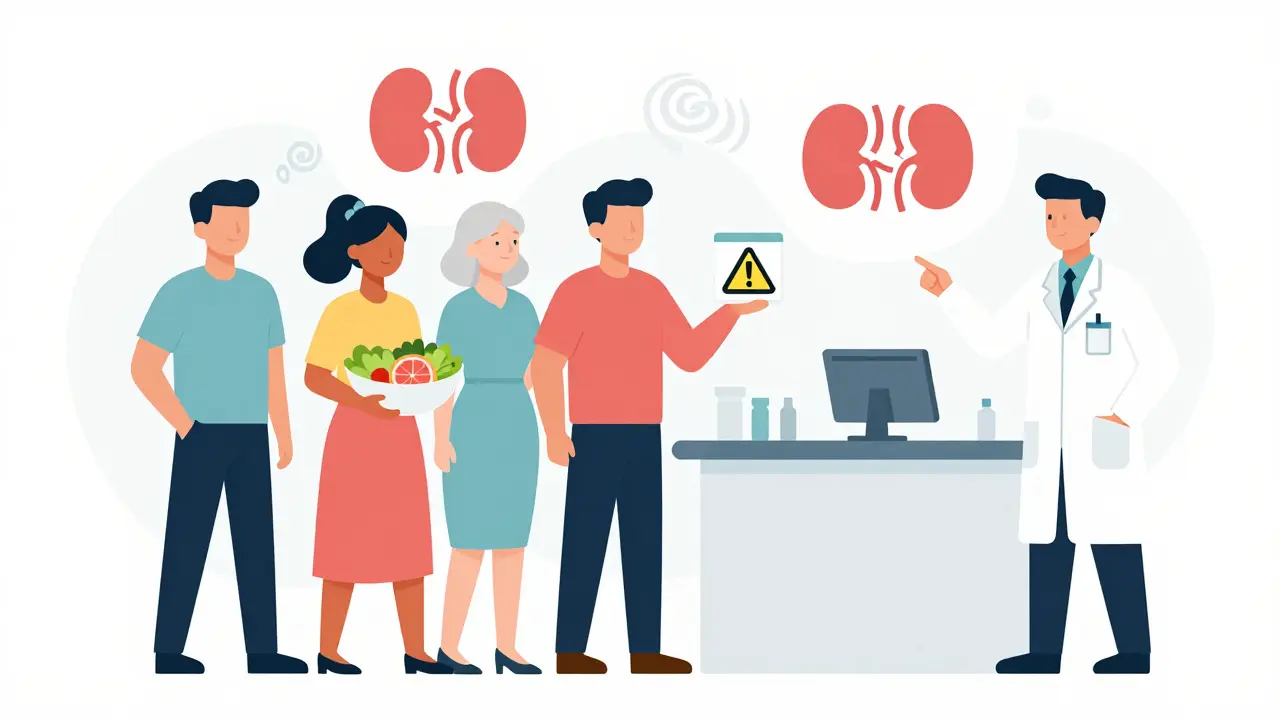
The risk of grapefruit-drug interactions is not evenly distributed. Older adults are particularly vulnerable. According to the CDC, over 52% of Americans aged 65 and older take five or more prescription drugs daily. This group is also more likely to consume grapefruit regularly as part of a heart-healthy diet. Harvard Medical School notes that people over 45 are at higher risk because they are more frequently prescribed drugs like statins and calcium channel blockers.
Genetics also play a role. A 2021 study published in *Clinical Pharmacology & Therapeutics* found that individuals with a specific genetic variant (CYP3A4*22 allele) experienced 40% more pronounced interactions with grapefruit compared to others. This means that two people taking the same medication and eating the same amount of grapefruit could have vastly different outcomes based on their DNA.
What Should You Do If You Love Grapefruit?
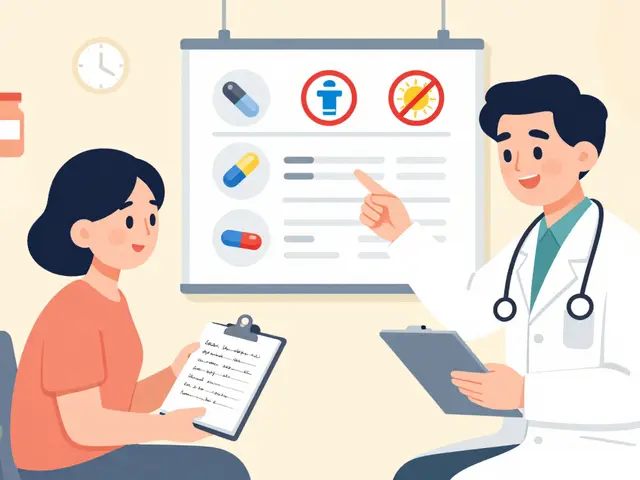
If you’re diagnosed with high cholesterol or hypertension and rely on grapefruit for its nutritional benefits, don’t panic. You have options. The key is communication with your healthcare provider.
- Ask for Alternatives: Many drug classes have non-interacting alternatives. For example, if you are on simvastatin, your doctor might switch you to rosuvastatin or pravastatin. If you are on amlodipine, diltiazem might be a safer choice.
- Read Labels: Check the patient information leaflet that comes with your medication. The FDA requires warnings for many high-risk drugs. Look for phrases like "avoid grapefruit" or "may interact with grapefruit juice."
- Consult Your Pharmacist: Pharmacists are experts in drug interactions. In fact, nearly 80% of community pharmacists routinely screen for these interactions during medication reviews. Don’t hesitate to ask, "Does my medication interact with grapefruit?"
- Monitor Symptoms: If you accidentally consume grapefruit, watch for signs of overdose, such as unusual muscle pain, extreme drowsiness, or rapid heartbeat. Seek medical attention if symptoms arise.
The Future of Grapefruit Research
Science is actively working to solve this dilemma. Researchers are investigating whether breeding grapefruit varieties with lower furanocoumarin content is possible. Preliminary data suggests that agricultural techniques can reduce bergamottin levels by up to 90%. While this is promising, current guidelines from the American Heart Association still recommend complete avoidance for patients on high-risk medications until these modified varieties are widely available and proven safe.
In the meantime, electronic health records now include alerts for doctors and pharmacists to flag these interactions. This technological safeguard helps catch potential errors before they reach the patient. However, personal vigilance remains the best defense. Knowledge is power when it comes to managing your health, and understanding the hidden dangers in your fruit bowl is a vital part of that knowledge.
How much grapefruit causes an interaction?
Even small amounts can be dangerous. Studies show that consuming just 200 milliliters (about 6.7 ounces) of grapefruit juice can significantly alter drug levels. There is no established "safe" threshold for people on high-risk medications, so complete avoidance is recommended.
Does dried grapefruit or supplements interact with meds?
Yes. Dried grapefruit, grapefruit juice concentrate, and dietary supplements containing grapefruit extract all contain furanocoumarins. The form of the fruit does not eliminate the active compounds that inhibit CYP3A4 enzymes.
Can I eat grapefruit if I am on birth control pills?
Most modern oral contraceptives are not significantly affected by grapefruit. However, some older formulations or specific progestin-only pills might have slight interactions. It is always best to consult your pharmacist or doctor to confirm your specific brand is safe.
Why doesn't orange juice have the same effect?
Sweet oranges (navel, Valencia, etc.) contain negligible amounts of furanocoumarins. Only bitter citrus fruits like Seville oranges, pomelos, and grapefruits have high concentrations of these enzyme-inhibiting compounds. Lemons and limes are also generally safe.
How long does the interaction last after eating grapefruit?
The inhibitory effect on CYP3A4 enzymes can last for 24 to 72 hours. This is because the inhibition is irreversible; your body must synthesize new enzymes to restore normal drug metabolism. Waiting a few hours is not sufficient.