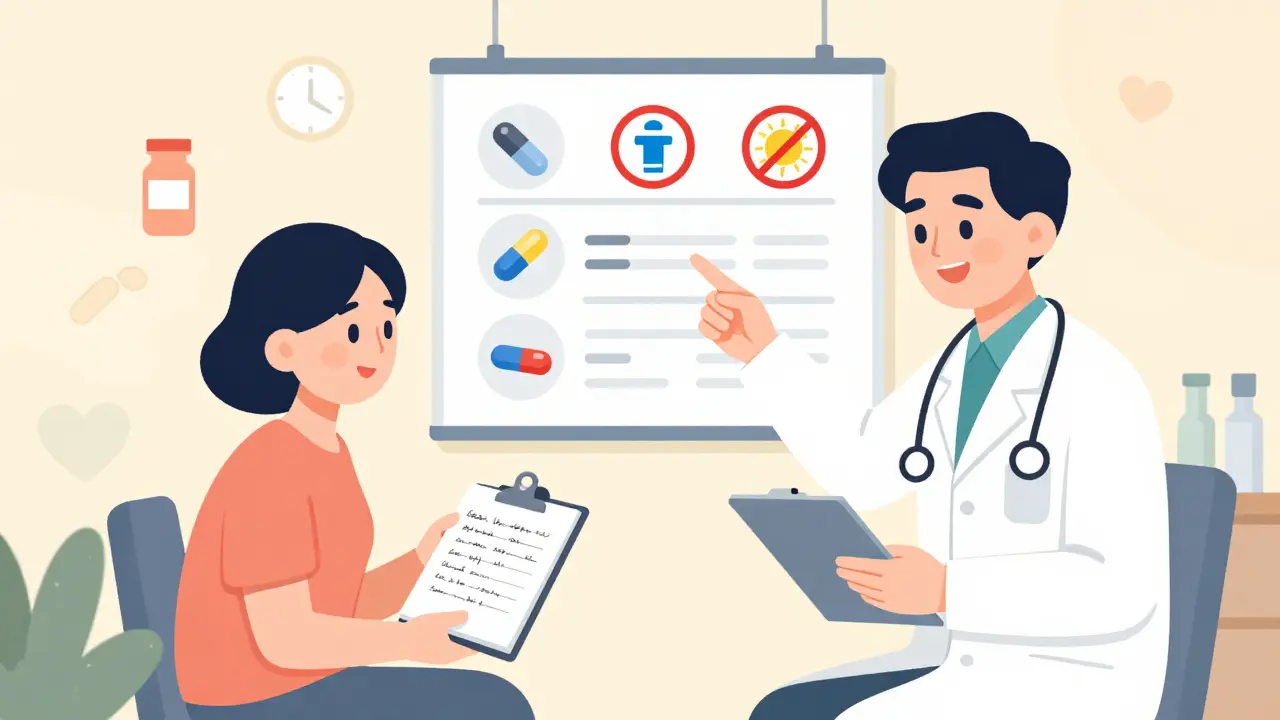
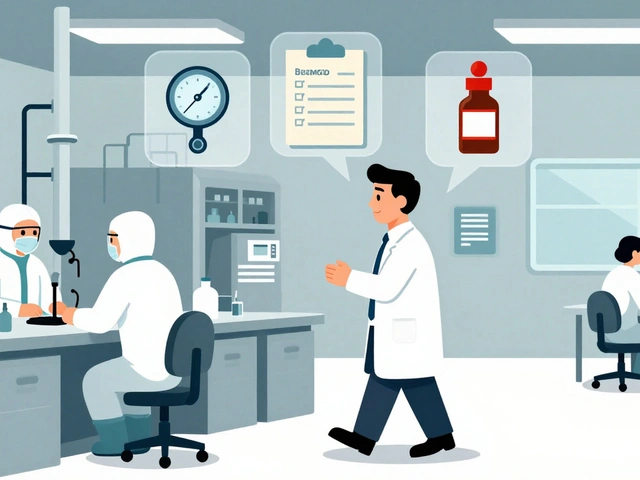
When your doctor or pharmacist gives you advice about your medications, it’s easy to think, "I’ll remember this." But by the time you get home, juggling kids, work, or just plain tiredness, half of it slips away. That’s why writing it down isn’t just a good idea-it’s a safety habit. Properly documenting provider advice about medications protects you, your care team, and your health. It’s not about bureaucracy. It’s about making sure the right medicine gets taken the right way, at the right time.
Why Documentation Matters More Than You Think
Medication errors cause around 7,000 deaths each year in the U.S. alone, according to the Institute of Medicine. A lot of those errors happen because information gets lost between visits, pharmacies, or even within the same person’s memory. If you don’t have a clear record of what was said, you might miss a warning about side effects, take the wrong dose, or skip a refill because you forgot when it was due. Providers are legally required to document what they tell you. The American Medical Association, the Joint Commission, and the Centers for Medicare & Medicaid Services all require that medication advice be recorded in your medical record. But if you don’t also keep your own copy, you’re relying entirely on someone else’s system-and systems can fail. Your personal record becomes your backup, your advocate, and your proof.What Exactly to Write Down
Don’t just scribble "take pill." Be specific. Here’s what you need to capture for every medication:- Medication name: Both brand and generic if given. Example: "Lisinopril (Zestril)"
- Dose: How much? 5 mg, 10 mL, one tablet?
- Frequency: When? "Once daily at bedtime," "every 6 hours as needed," "three times a day with food"
- Duration: How long? "For 14 days," "take until gone," "refillable for 3 months"
- Purpose: Why are you taking it? "For high blood pressure," "for pain after surgery"
- Special instructions: "Don’t drink alcohol," "take on empty stomach," "avoid sunlight"
- Side effects to watch for: "If you feel dizzy or swollen ankles, call your doctor"
- What to do if you miss a dose: "Skip it if it’s close to next dose. Don’t double up."
- Refill info: How many refills left? Where can you refill? Any prior authorization needed?
Also note any refusals or noncompliance. If you said no to a medication or skipped doses because of cost or side effects, write that down too. It helps your provider adjust your plan later.
How to Keep It Organized
You don’t need fancy software. A simple notebook works. But make it easy to use.- Use a dedicated section in your health journal or a dedicated app (like Medisafe or MyTherapy).
- Label each entry with the date and provider’s name (e.g., "Dr. Lee, Jan 10, 2026").
- Keep a separate column for changes. If your dose was adjusted next visit, note it beside the original entry.
- Take a photo of the pharmacy label and save it in your phone’s notes with the date.
- If you get advice over the phone or via a patient portal message, copy and paste it into your document.
Some people use a three-ring binder with dividers: one for prescriptions, one for side effects, one for doctor notes. Others use a digital folder on their tablet. Pick what fits your life.
When and How to Document
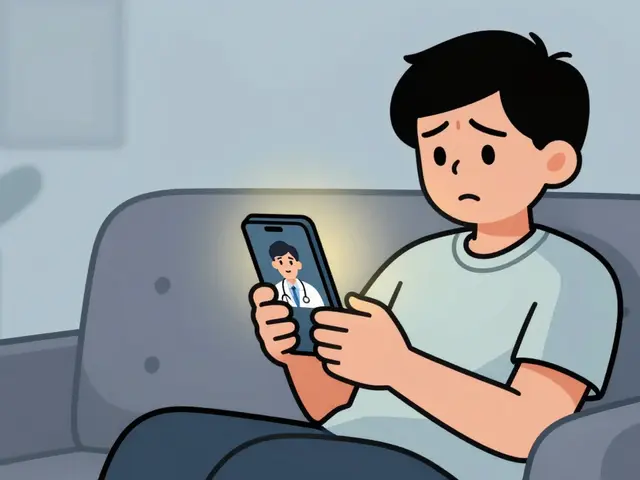
Document right after the appointment-not the next day. Memory fades fast. Even 30 minutes later, you might forget whether the doctor said "take with food" or "avoid dairy." If you’re in a clinic, ask: "Can I write this down while you’re here?" Most providers are fine with it. In fact, they prefer it. Clear notes reduce follow-up calls and mistakes. For phone or telehealth advice, write it down immediately after hanging up. Include the time and date of the call. If you got an email or portal message, save it and print a copy or screenshot it.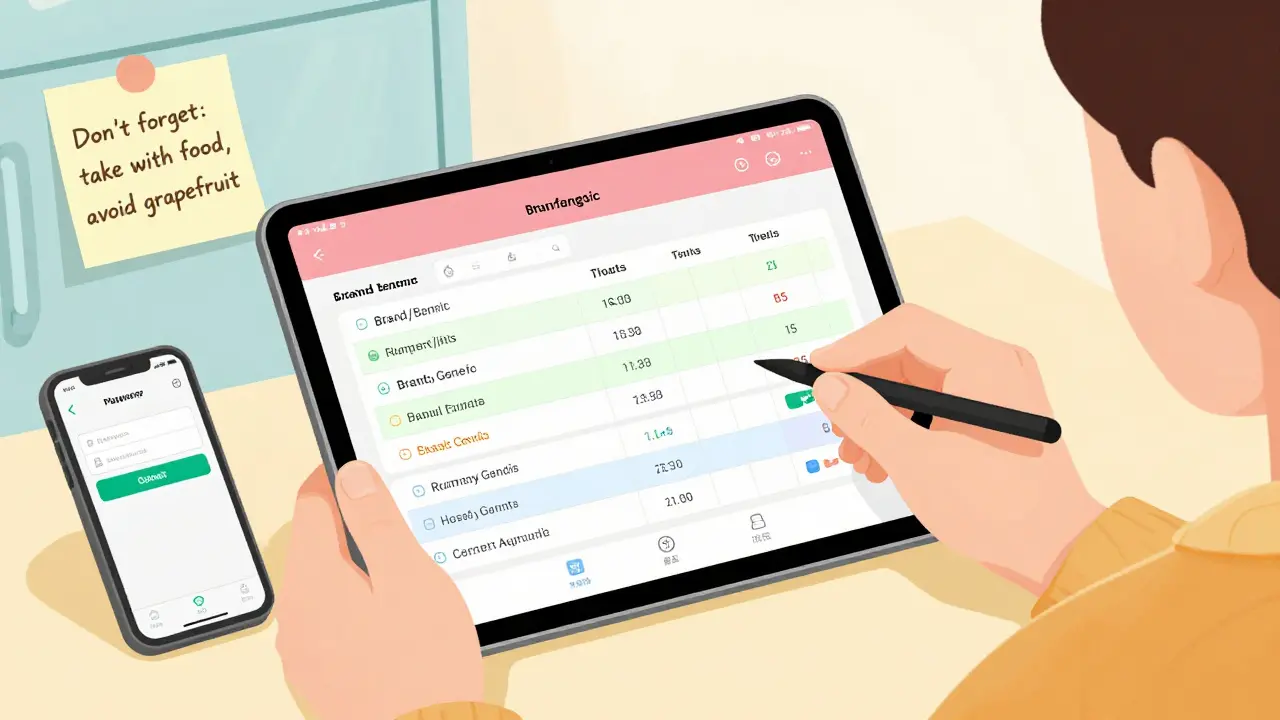
What Providers Should Document (And What You Should Expect)
Your provider’s record should include:- Exact medication details: name, dose, route, frequency, duration
- Reason for prescribing
- Education given: what you were told about side effects, interactions, storage
- Any questions you asked and how they were answered
- Documentation of your consent or refusal
- Provider initials or electronic signature
The American Dental Association and the American Society of Health-System Pharmacists both stress that advice given over the phone or outside the office still counts-and must be documented. That includes texts, portal messages, or voicemails. If your provider didn’t write it down, ask them to. You have the right to accurate records.
What to Do When Things Change
Medications change. New ones are added. Old ones are stopped. Doses shift. Each change needs its own note. When a new prescription comes in:- Compare it to your existing list.
- Check for duplicates or interactions.
- Write down the new details using the same format as before.
- Circle or highlight changes so they stand out.
- Update your list in your phone, app, or binder.
Same goes when you stop a medication. Don’t just assume it’s gone. Write: "Discontinued Jan 15, 2026-Dr. Lee advised due to dizziness." That way, if you see a new doctor in six months, they won’t accidentally restart it.
Sharing Your Records
You don’t have to wait for an emergency. Bring your medication log to every appointment-even if it’s for a cold or a rash. It helps your provider see the full picture. If you’re switching doctors or going to the ER, give them a copy. Many hospitals now accept digital copies via secure portals. If you’re using an app like MyHealthRecord (Australia’s My Health Record system), make sure your medication list is synced and updated.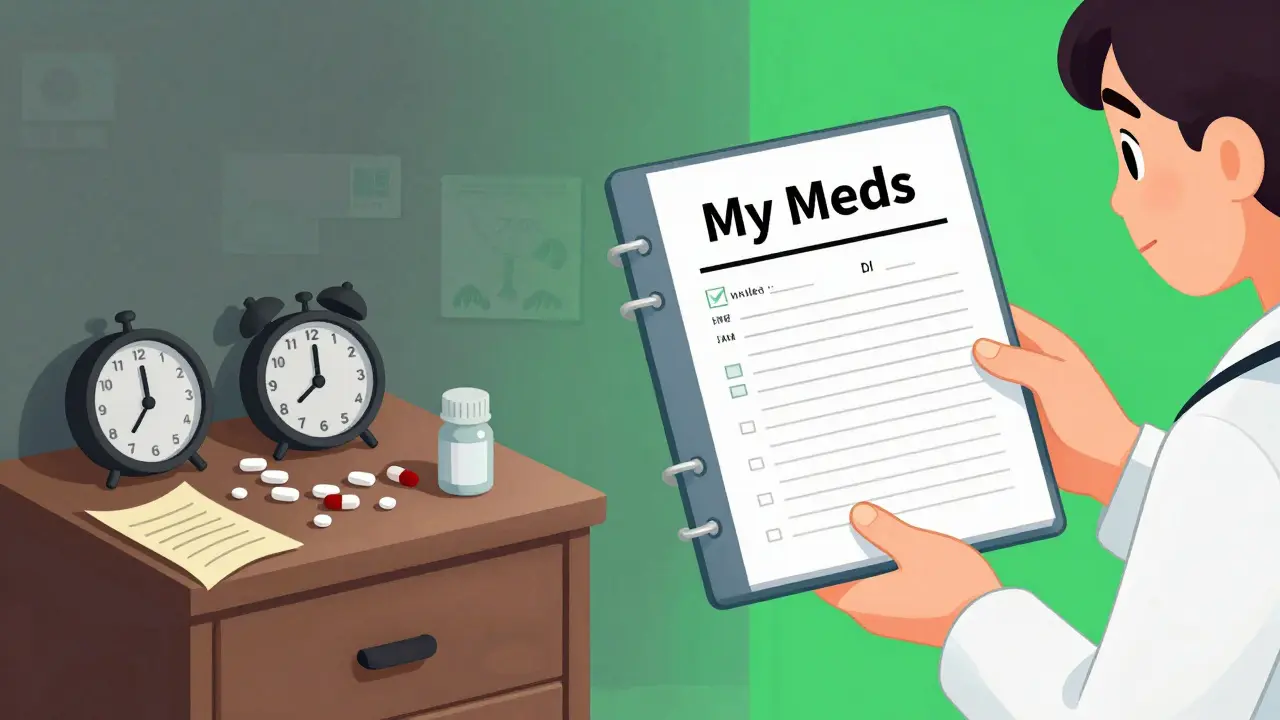
Common Mistakes to Avoid
- Using vague terms: "Take as needed" isn’t enough. What’s "needed"? Pain? Headache? Fever? Define it.
- Skipping the why: If you don’t know why you’re taking a pill, you’re more likely to skip it.
- Waiting too long: Documenting the next day means you’re guessing. Do it now.
- Not updating: If you got a new prescription last week but your list still says "old dose," you’re risking a mistake.
- Assuming the pharmacy knows: Pharmacies don’t always have your full history. Your record is your best tool.
Legal and Safety Protection
In Australia, medical records are protected under the Privacy Act 1988. But if something goes wrong-say, you had a bad reaction because a warning wasn’t noted-you’ll need proof that you were told something. Your written record can be the difference between a misunderstanding and a lawsuit. The Physician Insurers Association of America found that 38% of malpractice claims involving medication errors stemmed from poor documentation. That’s not just a provider problem. It’s a patient problem too. When you document, you’re not just keeping track-you’re protecting yourself.What’s Changing in 2026
By 2025, nearly 95% of medication advice will be documented in interoperable electronic health records linked to patient portals. In Australia, My Health Record is expanding, allowing patients to view and update their medication lists directly. The FDA’s new Patient Medication Information (PMI) rule, rolling out in 2025-2026, will require every prescription to come with a standardized one-page guide-clear, simple, and consistent across all drugs. These changes make it easier. But they don’t remove your responsibility. You still need to review, confirm, and keep your own copy. Technology helps. But your eyes, your notes, your memory-those are still the final line of defense.Do I need to document advice even if I’ve been on the same medication for years?
Yes. Even if you’ve taken a medication for years, your body changes. Your other meds change. Your health changes. A new side effect, a new interaction, or a dose adjustment can happen at any time. Documenting every conversation ensures you’re not relying on memory from five years ago.
What if my provider won’t let me write things down during the visit?
You have the right to take notes. If your provider objects, say: "I want to make sure I understand correctly so I can stay safe." Most providers will respect that. If they still refuse, ask for a printed summary or email after the visit. If they continue to resist, consider finding a provider who values patient involvement.
Can I use my phone to record the conversation?
In Australia, you can legally record a conversation if you’re part of it. But always ask permission first. Some providers are uncomfortable with recording. If they say no, don’t record. Instead, take detailed notes during the visit and ask them to confirm your summary at the end: "So to make sure I got it right-you said take this at night, avoid grapefruit, and call if I get swelling?"
How long should I keep my medication records?
Keep them for at least seven years, or as long as you’re taking the medication. If you’ve had serious reactions or chronic conditions, keep them indefinitely. Some states require providers to keep records for 10 years. Your personal copy should match or exceed that.
What if I can’t read my provider’s handwriting?
Ask them to print it or type it out. If you’re getting a prescription, ask the pharmacist to confirm the name and dose. Never guess. If a label says "5 mg" but you think it’s "50 mg," call the clinic. A simple mistake can be dangerous. Better to be safe than sorry.
Should I document advice from nurses or pharmacists too?
Absolutely. Nurses and pharmacists often give the most detailed instructions on how to take meds, what to avoid, and what side effects to watch for. Their advice is just as important as your doctor’s. Write down their name, date, and what they said-same as you would for a doctor.


MARILYN ONEILL
20 January, 2026 . 05:22 AM
I mean, why are we even talking about this? Like, duh. Everyone knows you write stuff down. My grandma did it in 1973 with a pencil and a napkin. We’re not saving lives here, we’re just doing basic human stuff. Stop acting like this is some revolutionary hack.
Steve Hesketh
20 January, 2026 . 23:08 PM
This right here? This is the kind of post that makes me believe in people again. 🙏 I’ve been managing my dad’s meds since he got diagnosed, and I swear, writing it all down saved his life. One time I caught a dose mix-up because I had it written exactly how the pharmacist said it. No apps, no fancy tech-just a notebook and a heart. You’re not just documenting pills, you’re documenting love.
shubham rathee
22 January, 2026 . 15:56 PM
you know what they dont tell you the government is using your med logs to track your behavior patterns and sell data to big pharma also the fda is secretly testing if people who write things down live longer so they can mandate it and control us more
Kevin Narvaes
24 January, 2026 . 13:55 PM
i mean... like... is this really the hill to die on? we're all just trying to survive. i forget my own birthday sometimes. how am i supposed to remember if i take lisinopril with grapefruit or before bed or after i cry into my cereal? the system is broken and so are we
Dee Monroe
26 January, 2026 . 06:23 AM
There’s something deeply spiritual about writing down what your provider tells you. It’s not just memory-it’s intention. You’re saying, ‘I matter enough to pay attention.’ Every time you jot down a dose or a side effect, you’re reclaiming agency from a system that treats you like a case number. It’s a quiet act of resistance. And when you look back at your notes months later and realize you’ve survived another flare-up, another adjustment, another scary moment-you realize you weren’t just documenting pills. You were documenting your resilience.
Melanie Pearson
26 January, 2026 . 20:07 PM
The assertion that patients must maintain personal records is an affront to professional medical standards. The burden of documentation should rest solely with licensed practitioners. This trend of patient-led recordkeeping is a dangerous erosion of clinical authority and opens the door to misinterpretation, liability, and unqualified interference in evidence-based practice.
Jerry Rodrigues
28 January, 2026 . 12:42 PM
I just started doing this last month after my aunt had a bad reaction. Didn’t even know I’d forgotten to write down the ‘no alcohol’ part until I saw her in the ER. Now I have a notes app called ‘Med Notes’ with a little heart emoji next to my mom’s meds. Simple. Doesn’t take long. Helps a lot.
Jarrod Flesch
29 January, 2026 . 17:37 PM
Mate, I’ve been doing this since my diabetes diagnosis. Took a pic of every script, saved the portal messages, and even wrote down what the nurse said about my insulin timing. Now I’ve got a folder on my phone called ‘Med Life’-and yeah, I even use emojis. 💊⏰👀 When I went to the new GP, he was blown away. Said he’s never seen a patient so prepared. Turns out being organized isn’t weird. It’s wise.
Barbara Mahone
31 January, 2026 . 04:41 AM
In my culture, elders pass down health wisdom orally. But I’ve found that writing things down bridges the gap between tradition and modern medicine. My grandmother would say, ‘Remember this,’ and I’d forget. Now I write it. She still tells me stories. I still write them down. Both matter.
Stephen Rock
31 January, 2026 . 08:34 AM
This is why America’s healthcare is a circus. Everyone’s got a notebook and a checklist like they’re running a startup. Meanwhile, real people are getting priced out of meds. Documenting won’t fix that. It just makes you feel like you’re doing something while the system burns.
Amber Lane
31 January, 2026 . 15:40 PM
I started this after my panic attack when I forgot my beta-blocker dose. Now I never go to a doctor without my little notebook. It’s not about being perfect. It’s about being present.
Malvina Tomja
1 February, 2026 . 06:48 AM
You think this is helpful? Most people who write things down are just anxious control freaks who don’t trust anyone. And if you’re actually worried about medication errors, maybe stop taking pills altogether. Or better yet-move to a country with real healthcare.
Samuel Mendoza
1 February, 2026 . 13:44 PM
The only thing worse than forgetting your meds is writing them down wrong. I’ve seen people misread ‘5mg’ as ‘50mg’ because they scribbled it. Just trust your doctor. Or don’t take it.