Opioid-Induced Adrenal Insufficiency (OIAI) Risk Checker
Patient Profile & Dosage
Check any symptoms you experience regularly:
Analysis Results
Enter your details to see if clinical guidelines suggest screening for OIAI.
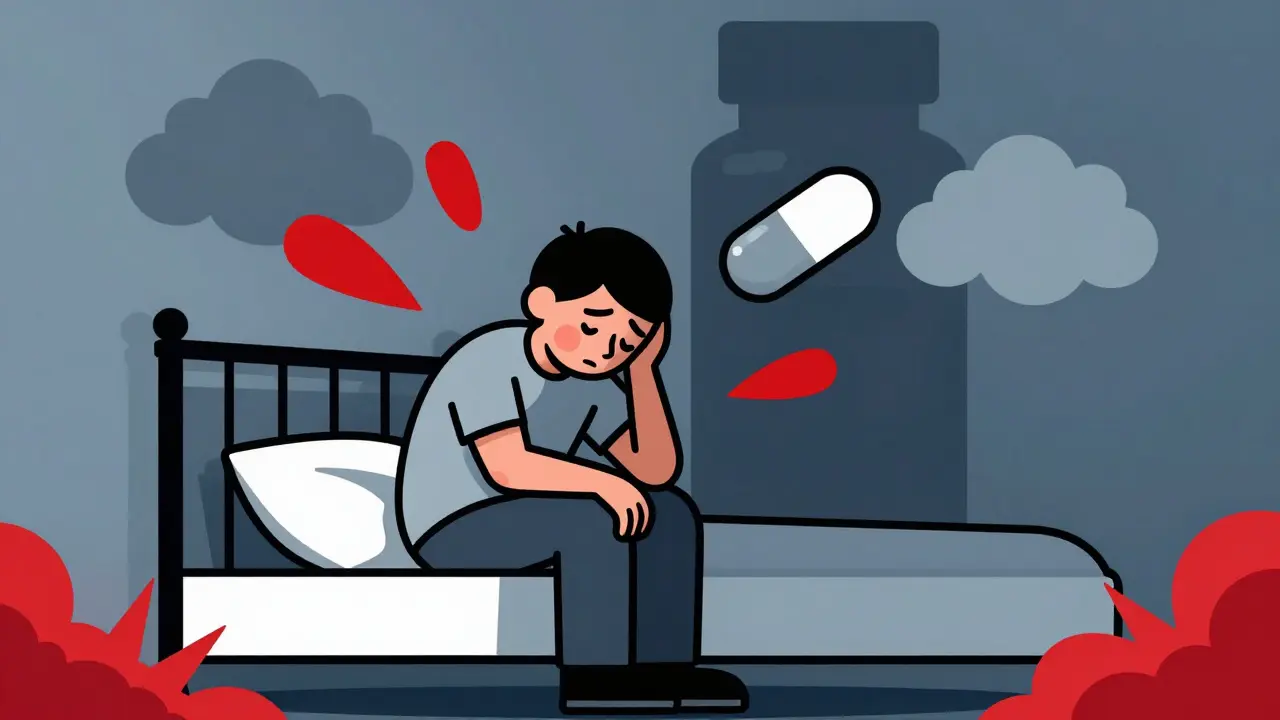
Chronic pain is exhausting. It drains your energy, disrupts your sleep, and makes simple tasks feel like climbing a mountain. For many people living with persistent pain, opioid medications are prescribed to help manage this burden. But what if the very medicine meant to relieve your suffering is quietly stealing your strength? This isn't just fatigue from illness; it could be a serious hormonal imbalance known as Opioid-Induced Adrenal Insufficiency (OIAI).
You might assume that opioids only affect your brain's perception of pain or cause common side effects like constipation and drowsiness. However, recent medical literature highlights a hidden danger: these drugs can suppress the body's natural production of stress hormones. If you are on long-term opioid therapy, understanding this connection is vital for your safety.
How Opioids Silence Your Stress Response
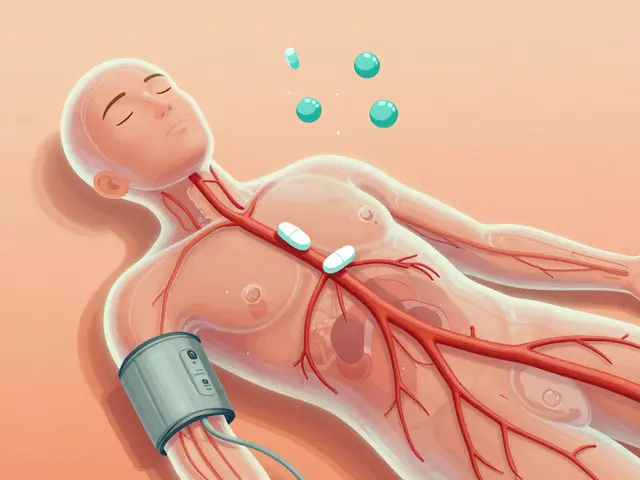
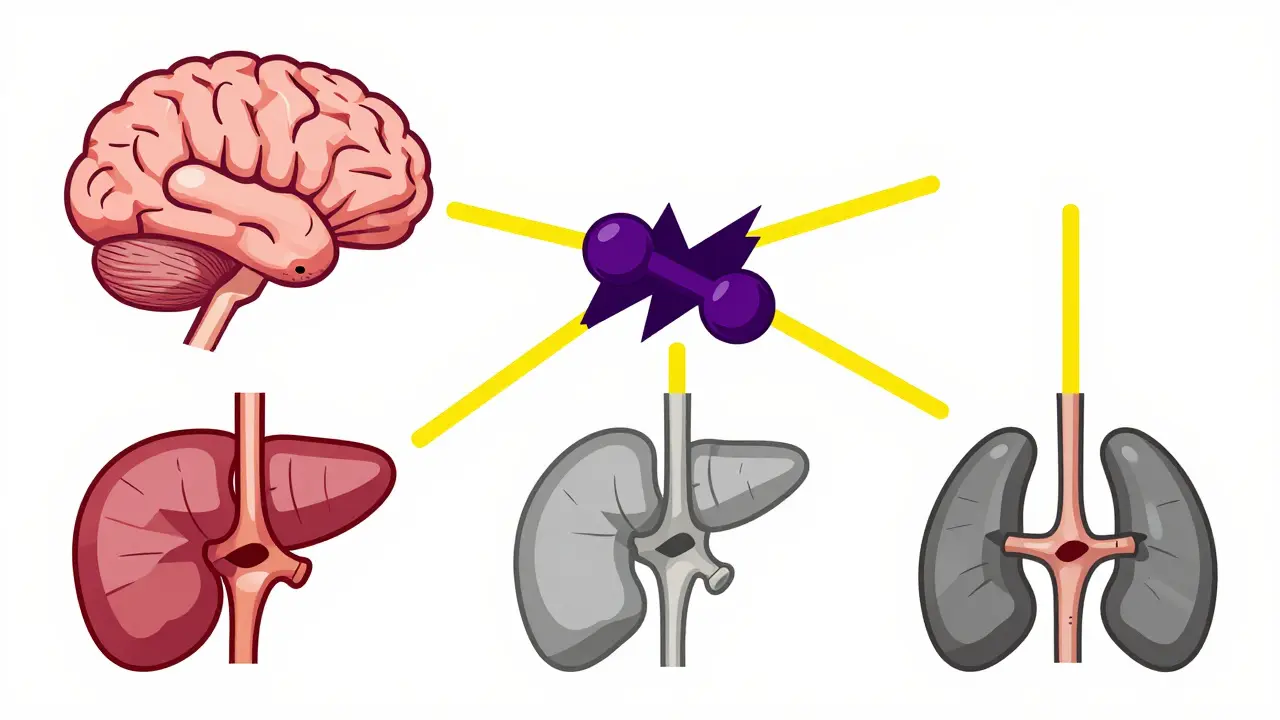
To understand why this happens, we need to look at how your body handles stress. Normally, when you face physical or emotional stress, a communication chain called the Hypothalamic-Pituitary-Adrenal (HPA) Axis kicks into gear. The hypothalamus sends a signal to the pituitary gland, which then releases ACTH (adrenocorticotropic hormone). This hormone travels through your blood to your adrenal glands, telling them to produce cortisol, often called the "stress hormone." Cortisol helps regulate metabolism, reduce inflammation, and keep your blood pressure stable.
Opioids interfere with this delicate system. They bind to specific receptors in the brain-mu, kappa, and delta receptors-and effectively jam the signal between the hypothalamus and the pituitary gland. When this communication breaks down, the pituitary stops releasing ACTH. Without that signal, your adrenal glands sit idle, failing to produce enough cortisol. This condition is technically classified as secondary or tertiary adrenal insufficiency because the problem originates in the brain, not the adrenal glands themselves.
This mechanism was documented in foundational research years ago, yet it remains frequently underappreciated by clinicians today. A 2024 review by Patel et al. in Frontiers in Endocrinology emphasizes that while the science is established, many doctors still miss this diagnosis. The result? Patients suffer from unexplained symptoms that mimic their underlying chronic condition, leading to more pain and less quality of life.
Who Is at Risk?
Not everyone taking painkillers will develop adrenal insufficiency. The risk depends heavily on dosage, duration, and individual biology. Current clinical guidance suggests raising concern for OIAI in patients receiving chronic opioid therapy, particularly those exceeding 20 Morphine Milligram Equivalents (MME) daily.
Consider the data:
- Dosage Matters: Higher doses correlate with higher incidence rates. A study by de Vries et al. (2020) found that 22.5% of long-term opioid users failed stimulation tests compared to 0% of matched controls.
- Prevalence: In a prospective study of 162 adults taking opioids for at least 90 days, 5% were diagnosed with OIAI. These patients typically had significantly higher MME intake.
- Population Scope: With approximately 5% of the US population prescribed chronic opioid therapy, the number of potentially affected individuals is substantial.
It is also important to note that OIAI affects both men and women, though some studies suggest variations in presentation based on age and sex. If you are on methadone, buprenorphine, high-dose morphine, or oxycodone, you should discuss this risk with your healthcare provider.
Symptoms That Are Easy to Miss
The tricky part about OIAI is that its symptoms overlap significantly with those of chronic pain and general illness. You might blame your fatigue on your back pain or your nausea on another medication. However, look out for these specific signs:
- Persistent Fatigue: Feeling exhausted even after adequate rest, unrelated to sleep quality.
- Muscle Weakness: Difficulty standing up from a chair or lifting objects, beyond typical deconditioning.
- Nausea and Vomiting: Gastrointestinal issues that don't resolve with standard anti-nausea meds.
- Hypotension: Low blood pressure causing dizziness when standing up.
- Hypercalcemia: Unusually high calcium levels in the blood, which can occur during recovery from critical illness in opioid users.
A case report by Lee et al. (2015) illustrates this perfectly. A 25-year-old man developed hypercalcemia during recovery from a critical illness. Initial treatments failed until doctors investigated his endocrine function. They discovered secondary adrenal insufficiency caused by methadone. Once they treated him with glucocorticoids, his symptoms resolved rapidly. This case underscores how easily OIAI can be misdiagnosed as a complication of the primary disease rather than a side effect of the treatment.
Diagnosis and Testing
If you suspect OIAI, self-diagnosis isn't an option. You need specific blood tests ordered by an endocrinologist or pain specialist. The gold standard involves measuring cortisol levels.
| Test Type | Normal Result | Indicator of OIAI |
|---|---|---|
| Basal Morning Cortisol | >3 mcg/dL (>83 nmol/L) | <3 mcg/dL (<100 nmol/L) |
| ACTH Stimulation Test (Peak) | >18 mcg/dL (>500 nmol/L) | ≤18 mcg/dL (≤500 nmol/L) at 30-60 mins |
| Plasma ACTH Levels | Normal/High | Low or Inappropriately Normal |
Note that recent studies suggest diagnostic thresholds might need refinement, but these remain the current clinical practice guidelines. Importantly, prolonged opioid treatment does not typically inhibit aldosterone production in humans. This means electrolyte imbalances like low sodium are less common in OIAI than in primary adrenal insufficiency (Addison’s disease), making the diagnosis even more nuanced.
Treatment and Management Options
The good news? OIAI is reversible. Unlike permanent organ damage, this condition usually resolves once the opioid suppression is lifted. However, you cannot simply stop your pain medication abruptly. Doing so could trigger withdrawal symptoms and leave you vulnerable to an Addisonian crisis-a life-threatening event where cortisol drops dangerously low during stress.
Management typically involves two paths:
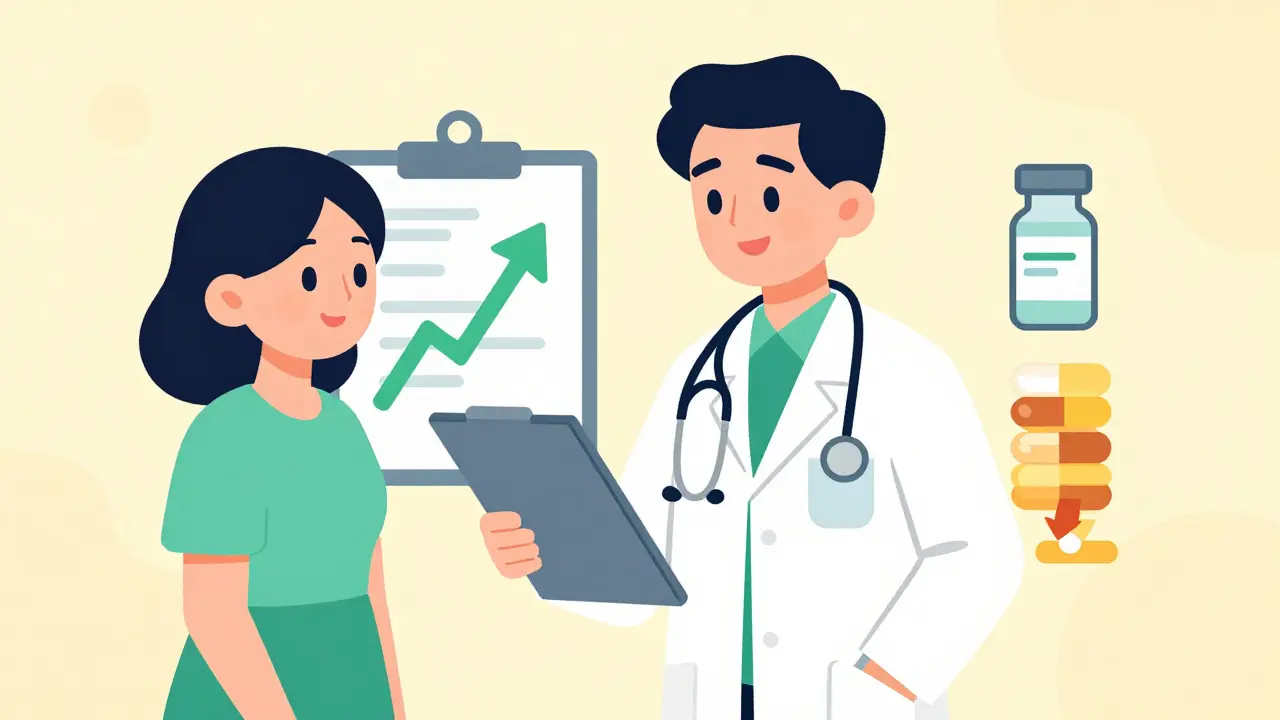
- Glucocorticoid Replacement: Doctors may prescribe hydrocortisone or prednisone to replace missing cortisol. This allows your body to handle stress and alleviates symptoms while you continue necessary pain management.
- Opioid Tapering or Rotation: Gradually reducing the dose or switching to a different analgesic with less HPA axis suppression can restore normal hormone production. In Lee’s case report, hypoadrenalism resolved completely after methadone was ceased.
During any period of physical stress-such as surgery, infection, or injury-patients with known or suspected OIAI require "stress dosing" of steroids. This means temporarily increasing steroid intake to mimic the body's natural stress response, preventing shock and collapse.
Why Clinicians Must Pay Attention
Despite the clear risks, OIAI remains under-recognized. A systematic review by de Vries et al. (2020) analyzed 27 studies involving over 16,000 patients, confirming the inhibitory effects of opioids on the HPA axis. Yet, routine screening is not yet standard care. Why? Because symptoms are vague, and testing requires specialized knowledge.
However, the cost of ignoring this is high. Untreated adrenal insufficiency can lead to severe morbidity and death. As Patel (2024) warns, "There is a pressing need for clinicians to pay closer attention to the suppressive effects of opioids on the HPA axis." Pain management teams must balance effective analgesia with endocrine health. Regular monitoring of cortisol levels in high-risk patients could prevent countless crises.
What You Can Do Now
If you are on chronic opioid therapy, do not panic. Most people do not develop full-blown adrenal insufficiency. But awareness is power. Here is your action plan:
- Track Your Symptoms: Keep a journal of fatigue, dizziness, and nausea. Note if they worsen despite stable pain control.
- Ask About MME: Know your daily Morphine Milligram Equivalent. If it’s above 20, ask your doctor about adrenal health.
- Request Screening: Ask for a morning cortisol test if you have unexplained weakness or fatigue.
- Inform Emergency Providers: If you are diagnosed with OIAI, carry a medical alert card. Tell ER staff immediately if you are hospitalized, so they can provide stress-dose steroids.
Your pain deserves relief, but not at the cost of your hormonal health. By advocating for comprehensive care, you ensure that your treatment addresses the whole person, not just the pain score.
Is opioid-induced adrenal insufficiency permanent?
No, OIAI is generally reversible. Studies show that cortisol production typically returns to normal after tapering or discontinuing opioid therapy. However, this process takes time due to the half-life of cortisol and the need for careful medical supervision to avoid withdrawal and adrenal crisis.
Which opioids are most likely to cause adrenal insufficiency?
All opioids can suppress the HPA axis, but the risk increases with higher doses and longer durations. Methadone, morphine, and oxycodone are frequently cited in case reports. There is no evidence that one specific opioid is completely safe, so dose and duration are the primary risk factors.
Can I get tested for OIAI at my regular doctor's office?
Yes, but you may need a referral to an endocrinologist. Basic screening starts with a morning serum cortisol test. If results are borderline, an ACTH stimulation test is required, which involves injecting synthetic ACTH and measuring cortisol response over an hour.
Does OIAI affect blood pressure?
Yes, low cortisol can lead to hypotension (low blood pressure), especially when standing up quickly. Unlike primary adrenal insufficiency, OIAI rarely causes severe electrolyte imbalances like low sodium because aldosterone production is usually preserved.
What is an Addisonian crisis, and how is it prevented in OIAI?
An Addisonian crisis is a life-threatening drop in cortisol during physical stress (like surgery or infection). In OIAI patients, it is prevented by "stress dosing"-temporarily increasing oral or IV steroid medication during stressful events to mimic the body's natural response.