Opioid Overdose Response Simulator
The Situation
You are with a friend who seems out of it. Select the signs you observe:
Emergency Action Plan
Select symptoms on the left to reveal the necessary action plan.
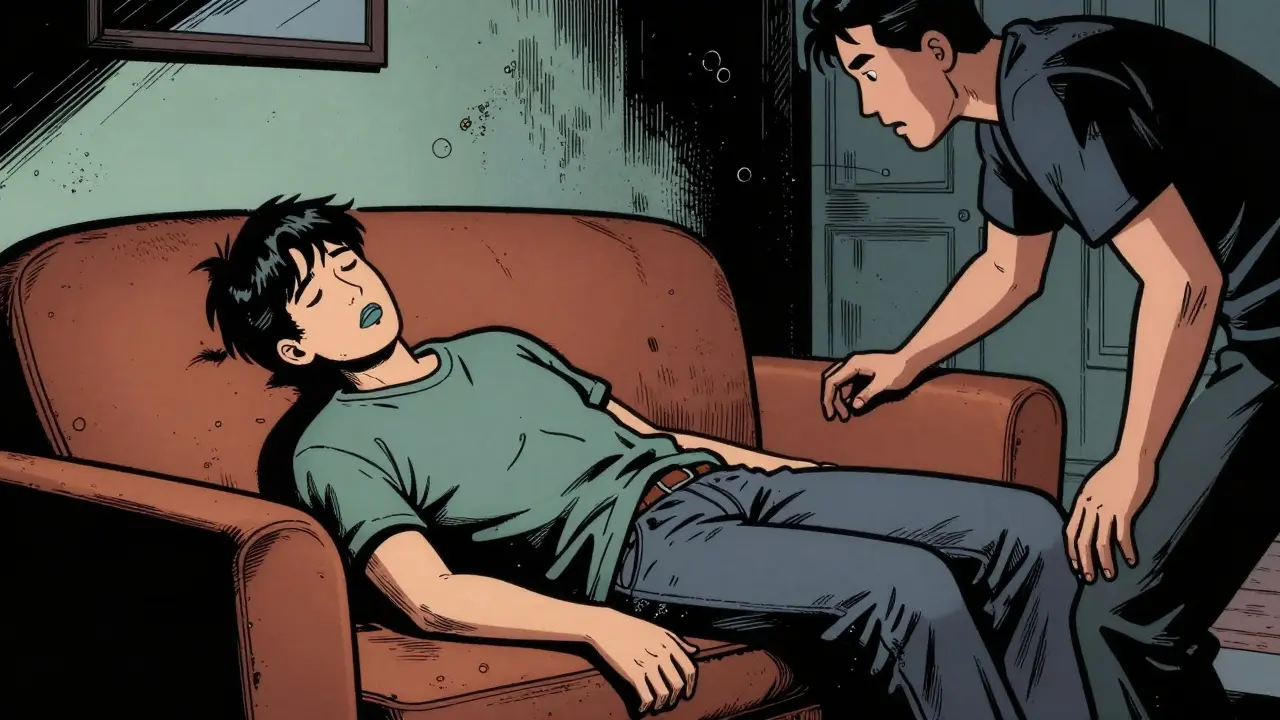
Imagine you’re hanging out with a friend. One minute they’re talking, the next they’re slumped on the couch, unresponsive. You shake them. Nothing. Their lips look blue. Their breathing is shallow or has stopped entirely. This isn’t just a bad trip-it’s an opioid overdose, a medical emergency that can kill in minutes if left untreated.
This isn’t a hypothetical scenario for many people today. In the United States alone, more than 107,000 drug overdose deaths occurred in a single year ending in May 2023, with opioids involved in about 81% of those cases. The numbers are staggering, but here is the good news: these deaths are preventable. Knowing what to look for and how to act can literally save a life. You don’t need to be a doctor to help. You just need to know the signs and have the right tool-naloxone.
What Is Happening in the Body?
To understand why an overdose is so dangerous, you have to look at what opioids do to your brain. Opioids-including prescription painkillers like oxycodone, heroin, and synthetic drugs like fentanyl-bind to specific receptors in your brainstem. These receptors normally send signals to keep you breathing. When opioids latch onto them, they interrupt those signals.
The result? Your breathing slows down dramatically, or stops completely. This is called respiratory failure. Without oxygen, your brain cells start to die within minutes. It’s not just about being "high"; it’s about the body shutting down its most basic survival function. That’s why time is critical. Every second counts when someone’s breathing is compromised.
The Classic Signs of an Opioid Overdose
You might not always see a needle or a pill bottle. Sometimes, the only clue is how the person looks and acts. Health experts often refer to a "triad" of symptoms that strongly suggest an opioid overdose. If you see these three things together, assume it’s an overdose:
- Unresponsiveness: The person cannot be woken up. Shaking their shoulders or shouting loudly doesn’t work.
- Pinpoint Pupils: The pupils in their eyes are very small, like tiny dots (miosis). Note: this isn’t always present, especially with certain synthetic opioids, but it’s a strong indicator.
- Respiratory Depression: Breathing is slow, weak, irregular, or has stopped. You might hear choking, gurgling, or loud snoring sounds as air struggles to pass through relaxed throat muscles.
Other physical signs include:
- Blue, purple, or grey lips and fingernails (cyanosis), which means their blood isn’t getting enough oxygen.
- Cold, clammy skin.
- A limp body posture.
- Extreme drowsiness or inability to stay awake before losing consciousness.
If you see any combination of these signs, especially unresponsiveness and abnormal breathing, treat it as an overdose immediately. Don’t wait to be sure. It’s better to act and be wrong than to hesitate and lose someone.
Why Fentanyl Makes Things More Dangerous
In recent years, the landscape of opioid overdoses has changed drastically due to fentanyl. This synthetic opioid is 50 to 100 times stronger than morphine. Because it’s so potent, even a tiny amount-just two grains of salt-can cause an overdose.
The scary part? Fentanyl is often mixed into other drugs without the user knowing. A pill sold as Xanax, Adderall, or even cocaine might contain fentanyl. Many people who overdose aren’t necessarily looking for opioids; they’re taking what they think is something else. This unpredictability means anyone using illicit drugs is at risk, not just those with a known history of opioid use disorder.
How to Respond in an Emergency
If you suspect an overdose, follow these steps quickly. Hesitation costs lives.
- Call Emergency Services: Dial 9-1-1 (or your local emergency number) immediately. Tell them you suspect an opioid overdose. Stay on the line if they ask questions.
- Check for Responsiveness: Shake the person firmly and shout their name. If they don’t respond, move to the next step.
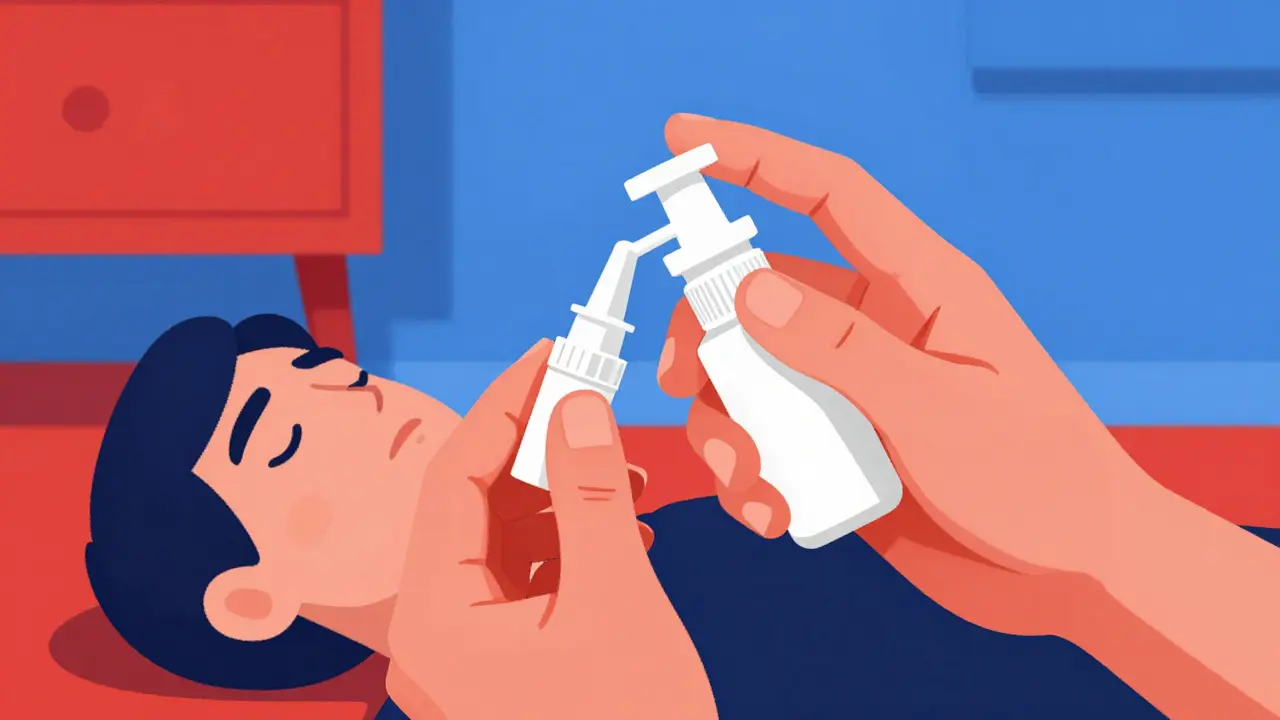
- Administer Naloxone: If you have naloxone (brand names include Narcan, Kloxxo, Zimhi), give it now. Do not delay calling for help to find naloxone, but if you have it nearby, use it while waiting for EMS.
- Start Rescue Breathing: If the person is not breathing or gasping, begin rescue breathing if you know how. Cover their mouth and blow air into their lungs every 5-6 seconds. This keeps oxygen flowing until naloxone kicks in or help arrives.
- Place Them in Recovery Position: If they start breathing again but are still unconscious, roll them onto their side. This helps keep their airway clear and prevents them from choking on vomit.
- Stay With Them: Do not leave the person alone. Monitor their breathing and level of consciousness until paramedics arrive.
Remember: Good Samaritan laws in many places protect bystanders who call for help in good faith during an overdose. Your safety and theirs come first.
Using Naloxone: What You Need to Know
Naloxone is a medication that reverses an opioid overdose. It works by kicking opioids off the brain’s receptors, restoring normal breathing. It’s safe, effective, and easy to use.
Here are the key facts about naloxone:
- It Only Works on Opioids: Naloxone has no effect if the person hasn’t taken opioids. It won’t harm them if they’re high on alcohol, stimulants, or other non-opioid drugs.
- Speed Matters: Intranasal naloxone sprays usually work within 2 to 5 minutes. You should see improvement in breathing and responsiveness shortly after administration.
- It Might Wear Off: Naloxone stays in the body for 30 to 90 minutes. Most opioids last longer than that. If the person starts slipping back into unconsciousness or their breathing slows again, give another dose. You may need multiple doses.
- No Prescription Needed in Many Places: In many U.S. states and other countries, you can buy naloxone over the counter at pharmacies. Some community organizations also distribute it for free.
If you’re unsure whether to use it, use it. There is zero risk to someone who hasn’t taken opioids, and everything to gain if they have.
| Formulation | Administration Route | Onset of Action | Best For |
|---|---|---|---|
| Intranasal Spray | Nose | 2-5 minutes | Laypeople, first responders |
| Intramuscular Injection | Muscle (auto-injector) | 2-5 minutes | Laypeople, healthcare workers |
| Intravenous | Vein | 1-2 minutes | Hospital settings, EMS |
After the Crisis: Post-Overdose Care
Reviving someone with naloxone is a huge win, but it’s not the end of the story. The person is still in a vulnerable state. Here’s what needs to happen next:
- Medical Evaluation: Even if they seem fine, they need to go to the hospital. Paramedics will likely take them there. Doctors need to check for internal damage, aspiration pneumonia (from vomiting), or other complications.
- Prevent Another Overdose: An overdose is a warning sign. The person should connect with healthcare providers to discuss treatment options, such as medication-assisted treatment (MAT) for opioid use disorder.
- Mental Health Support: Addressing underlying issues like trauma, depression, or anxiety is crucial for long-term recovery. Psychological evaluation and counseling should be part of the plan.
- Get More Naloxone: Encourage the person to carry naloxone with them. They are at higher risk for another overdose in the future.
Recovery is possible. But it requires support, not judgment. If you’ve helped someone survive an overdose, you’ve bought them time. Help them use that time wisely.
Where to Get Naloxone
Access to naloxone has improved significantly. In many areas, you don’t need a doctor’s prescription. Here are common ways to get it:
- Pharmacies: Many pharmacies sell intranasal naloxone over the counter. Ask the pharmacist if they carry it.
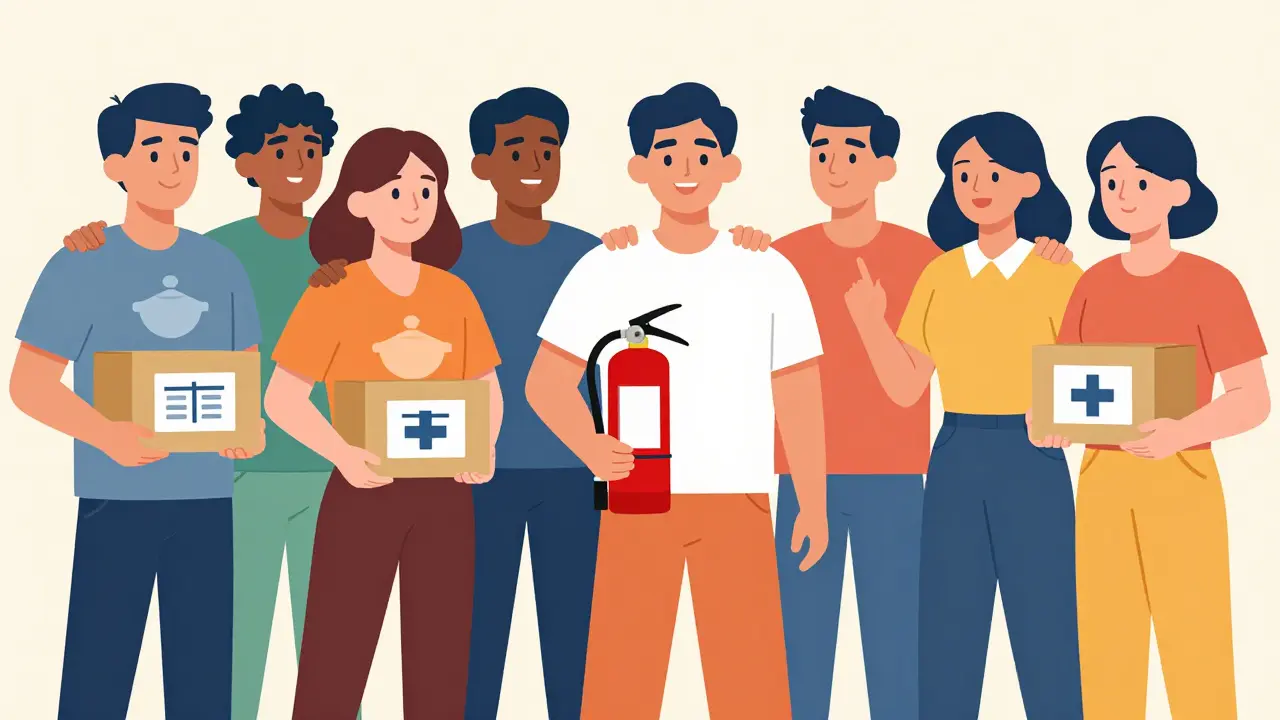
- Community Organizations: Local health departments, harm reduction groups, and nonprofits often provide free naloxone kits along with training on how to use them.
- Online Resources: Websites like Project DAWN or SAMHSA can help you locate distribution sites near you.
Carrying naloxone is like carrying a fire extinguisher. You hope you never need it, but if you do, it could save a life. Keep it somewhere accessible, check the expiration date, and make sure people around you know where it is.
Can naloxone hurt someone if they haven't taken opioids?
No. Naloxone only affects opioid receptors. If the person hasn't taken opioids, it does nothing. It is safe to administer even if you are unsure of the cause of unresponsiveness.
What if the person doesn't wake up after giving naloxone?
Wait 2 to 3 minutes. If there is no improvement, give a second dose. Also, ensure you are performing rescue breathing correctly. If they still don't respond, continue rescue breathing and wait for emergency services. Sometimes, the overdose involves other substances that naloxone cannot reverse.
Is it illegal to call 9-1-1 for an overdose?
In many jurisdictions, Good Samaritan laws protect bystanders who call for help during an overdose. You generally will not be arrested for possession of small amounts of drugs if you are seeking medical aid for yourself or someone else. Check your local laws for specifics.
How long does naloxone last in the body?
Naloxone typically lasts between 30 and 90 minutes. Since many opioids last longer, the person may slip back into an overdose once the naloxone wears off. Monitor them closely and be prepared to give additional doses.
Can I buy naloxone without a prescription?
Yes, in many places. In the United States, intranasal naloxone is available over the counter at most major pharmacies. Regulations vary by country and state, so check local guidelines or contact a local harm reduction organization.