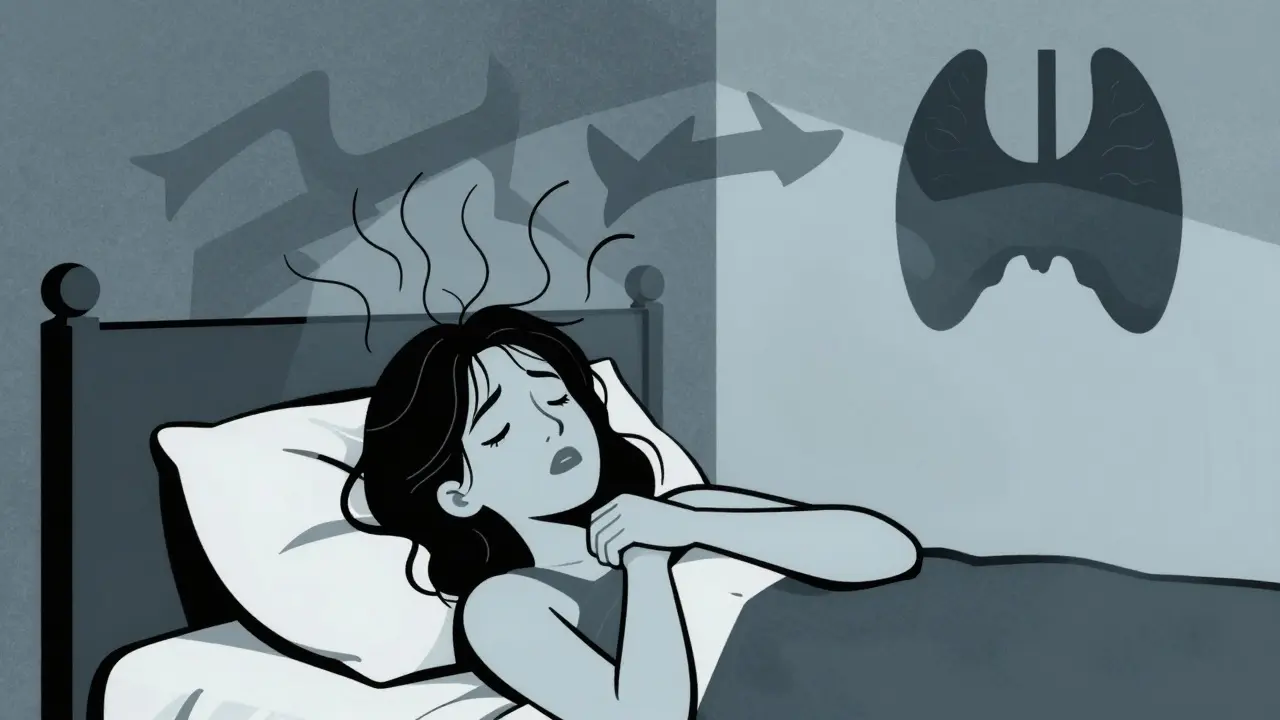
Imagine waking up feeling like you’ve been hit by a truck, even after eight hours of sleep. You’re tired, your hair is thinning, and the scale seems to have a mind of its own. For millions of people, these aren’t just bad habits or stress-they are signs that their immune system has turned against them. This is Hashimoto’s thyroiditis, an autoimmune disorder where the body attacks the thyroid gland, leading to chronic inflammation and eventual hypothyroidism. It is not a rare curiosity; it is the most common cause of low thyroid function in places with sufficient iodine intake.
The good news? We understand it well enough to manage it effectively. The key lies in one specific blood test: Thyroid-Stimulating Hormone, or TSH. But getting the number right isn’t just about hitting a target on a lab sheet. It requires understanding how your body reacts, when to test, and why patience is part of the prescription. Let’s break down what this condition actually is, how we diagnose it, and exactly how to monitor your levels so you can feel like yourself again.
What Is Hashimoto’s Thyroiditis?
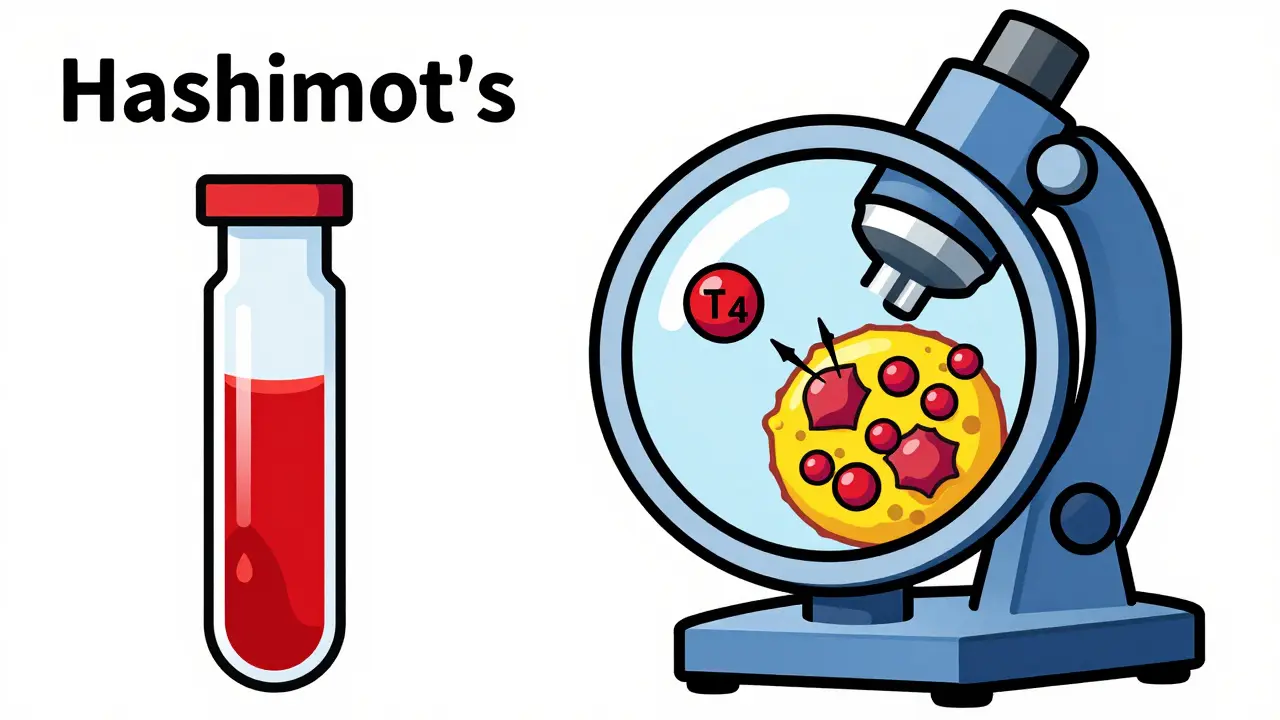
To get TSH monitoring right, you first need to know what’s happening inside your neck. Your thyroid is a butterfly-shaped gland that acts as your body’s thermostat. It produces hormones (T4 and T3) that control your metabolism, energy, heart rate, and temperature. In Hashimoto’s, your immune system mistakes the thyroid for an invader. It sends antibodies to attack it, causing swelling and damage over time.
This process was first described by Japanese physician Hakaru Hashimoto in 1912. Today, according to the American Thyroid Association (ATA), it accounts for roughly 90% of hypothyroidism cases in iodine-sufficient regions. It affects about 4% of the adult population in the US, but the gender gap is stark: women are five to ten times more likely to develop it than men. If you are a woman between 30 and 50, you are in the highest risk bracket.
The attack doesn’t happen overnight. It starts with inflammation. Eventually, the thyroid cells are damaged enough that they can’t produce enough hormone. When hormone levels drop, your pituitary gland (in your brain) screams louder, releasing more TSH to try to whip the thyroid into action. That’s why high TSH is the hallmark sign of primary hypothyroidism caused by Hashimoto’s.
Diagnosis: More Than Just a Blood Test
You don’t just walk into a doctor’s office and say, "I think I have Hashimoto’s." Diagnosis follows a logical path. Most doctors start with a simple TSH test. If your TSH is above 4.5 mIU/L, it triggers the next step. According to the 2021 guidelines from the American Academy of Family Physicians (AAFP), elevated TSH leads to two more tests:
- Free T4 (FT4): This measures the actual amount of active thyroid hormone in your blood. A high TSH with a low or low-normal T4 confirms primary hypothyroidism.
- Thyroid Peroxidase Antibodies (TPOAb): This is the smoking gun. Elevated TPOAb levels (typically >35 IU/mL) confirm that the cause is autoimmune-specifically Hashimoto’s-rather than another issue like iodine deficiency or medication side effects.
Once diagnosed, do you keep testing those antibodies? Surprisingly, no. The American Thyroid Association explicitly states that repeating antibody tests is not needed for managing treatment. They tell us the story of *why* you are sick, but they don’t tell us if your medication is working. For that, we rely entirely on TSH.
TSH Monitoring: The Gold Standard
Why TSH? Because it is incredibly sensitive. A small change in your thyroid hormone levels causes a large swing in TSH. The Cleveland Clinic Journal of Medicine states unequivocally that for patients with primary hypothyroidism, serum TSH alone is sufficient for monitoring treatment. You generally do not need routine T4 or T3 tests once you are on stable medication.
But what is the "right" number? There is no single magic bullet for everyone. The American Association of Clinical Endocrinologists (AACE) recommends targeting a TSH level within the normal reference range of 0.4-4.0 mIU/L for most adults. However, context matters immensely.
| Patient Group | Target TSH Range (mIU/L) | Clinical Reasoning |
|---|---|---|
| Adults under 65 | 0.4 - 4.0 | Standard euthyroid range; balances symptom relief with cardiovascular safety. |
| Adults 65+ | 4.0 - 6.0 | Slightly higher TSH is often tolerated better in older adults to reduce strain on the heart. |
| Pregnant (First Trimester) | 0.1 - 2.5 | Fetal brain development relies heavily on maternal thyroid hormone early in pregnancy. |
| Pregnant (Second Trimester) | 0.2 - 3.0 | Targets adjust as the fetus begins producing its own thyroid hormone. |
| Pregnant (Third Trimester) | 0.3 - 3.0 | Maintains support for late-stage fetal growth and maternal health. |
Notice the shift for older adults. As we age, our bodies handle thyroid hormone differently. Pushing TSH too low in someone over 65 can increase the risk of atrial fibrillation and bone loss. Conversely, for pregnant women, the stakes are higher. Positive TPO antibodies combined with a TSH >2.5 mIU/L before conception significantly raise the risk of preterm birth and miscarriage. That’s why preconception screening is critical for women with Hashimoto’s.
Starting Treatment: Levothyroxine Basics
Once diagnosis is confirmed, the standard treatment is levothyroxine (LT4), a synthetic form of the T4 hormone your thyroid should be making. It is identical to the hormone produced by your body. Brands like Synthroid dominate the market, but generics are widely used and effective, provided they meet strict manufacturing standards.
Dosing is precise. The general rule of thumb for full replacement is 1.4-1.8 mcg per kilogram of body weight. However, doctors rarely start at the full dose. For patients with subclinical hypothyroidism (high TSH but normal T4), starting doses are often much lower-around 25-50 mcg per day. Why go slow? To protect your heart. Suddenly flooding a sedentary, hypothyroid system with full-dose hormone can trigger palpitations or chest pain, especially in older patients or those with existing heart conditions.
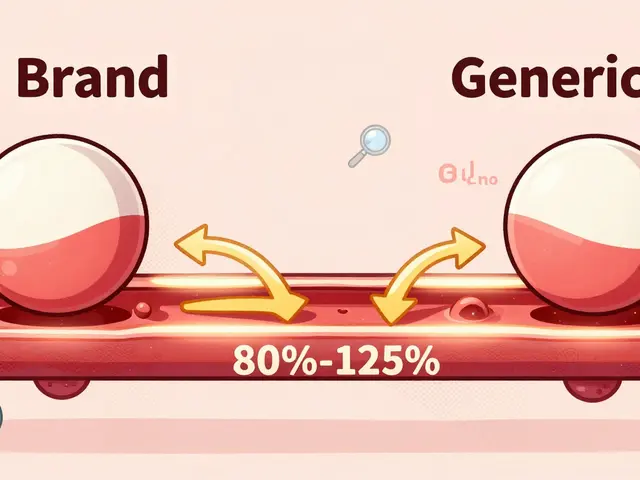
In Australia, the Royal Australian College of General Practitioners (RACGP) emphasizes conservative starting doses. In the US, the FDA issued guidance in 2018 requiring stricter potency controls for levothyroxine manufacturers because batch-to-batch variations were causing TSH instability in some patients. If you switch brands or manufacturers, your TSH may fluctuate. Stick to one source whenever possible.
The Timeline: Patience Is Part of the Protocol
Here is where most patients get frustrated. You start the pill, you feel terrible, and you want your doctor to check your blood next week. But biology doesn’t work on a weekly schedule. Levothyroxine has a half-life of about seven days. It takes six to eight weeks for the drug to reach a steady state in your blood and for your pituitary gland to adjust its TSH production accordingly.
All major guidelines-the AACE, Mayo Clinic, and AAFP-agree on this timeline:
- Initial Test: Check TSH 6-8 weeks after starting therapy.
- Adjustment: If TSH is not in range, adjust the dose by small increments (usually 12.5-25 mcg).
- Re-test: Wait another 6-8 weeks after any dose change.
- Stability: Once your TSH is stable and symptoms are managed, test annually.
I know, waiting eight weeks feels archaic when you’re exhausted. Reddit threads in communities like r/Hashimotos are filled with complaints about this delay. But testing sooner doesn’t help. The TSH level hasn’t settled yet. Testing at three weeks gives you false data, leading to unnecessary dose changes that destabilize your system further. Trust the half-life.
Factors That Mess With Your TSH
Your TSH isn’t just influenced by your pill. Many everyday factors can skew results or interfere with absorption. If you find your TSH bouncing around despite consistent dosing, look at these culprits:
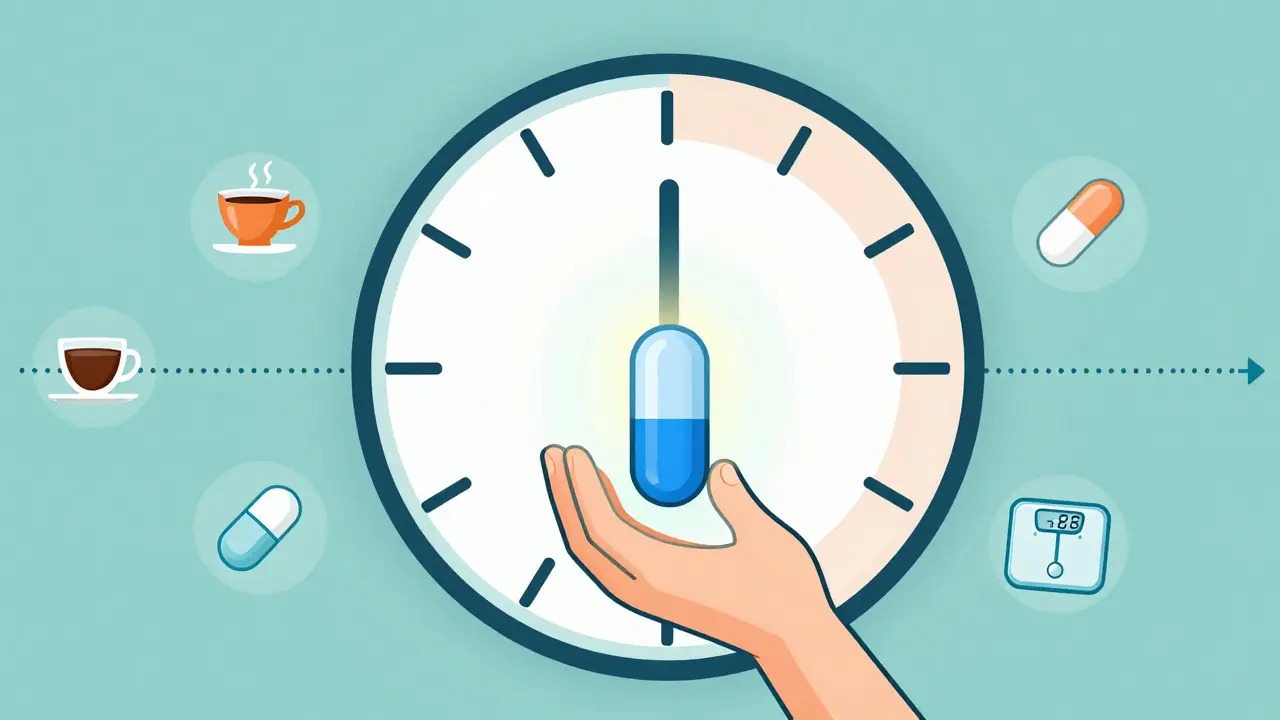
- Supplements and Medications: Iron and calcium supplements bind to levothyroxine in the gut, preventing absorption. Take them at least four hours apart from your thyroid pill. Proton pump inhibitors (for acid reflux) and certain antidepressants can also alter TSH levels.
- Weight Changes: Losing or gaining more than 10% of your body weight changes your hormone requirements. You will likely need a dose adjustment.
- Time of Day: While TSH has a diurnal rhythm (it’s naturally higher at night), studies show the variation isn’t large enough to require strict morning fasting for most people. However, consistency helps. Try to take your blood test at the same time of day each visit.
- Dietary Habits: Soy products and high-fiber meals can interfere with absorption. Take your levothyroxine on an empty stomach with water, wait 30-60 minutes before eating, and avoid coffee for at least an hour.
If you are planning pregnancy, notify your doctor immediately. Pregnancy increases thyroid hormone demand by 20-50%. Women with positive TPO antibodies need TSH testing every four weeks until 20 weeks gestation to prevent complications.
When Symptoms Don’t Match the Numbers
Sometimes, your TSH is perfect-say, 2.0 mIU/L-but you still feel foggy, tired, and depressed. This is a common dilemma. The medical consensus remains that TSH-monitored LT4 monotherapy is the standard of care. The 2022 Cochrane Review found insufficient evidence to support routinely adding T3 (liothyronine) to T4 for all patients.
However, individual variation exists. Some experts suggest that for patients who remain symptomatic despite normal TSH, titrating toward the lower end of the reference range (0.4-2.5 mIU/L) might help. Recent research, including a 2023 study in JAMA Internal Medicine, highlights genetic factors like DIO2 polymorphisms. People with certain gene variants convert T4 to T3 less efficiently. They may feel better with slightly lower TSH targets or, in rare cases, combination therapy. This is an area of evolving science, not yet standard practice, but worth discussing if you’re struggling.
Also, remember that fatigue and brain fog have many causes. Sleep apnea, vitamin D deficiency, anemia, and stress can mimic hypothyroid symptoms. Don’t assume it’s all the thyroid if the numbers look good. Rule out other issues.
Future Trends: Personalized Monitoring
The landscape of Hashimoto’s management is shifting. We are moving away from one-size-fits-all ranges toward personalized targets. Genetic testing for DIO2 status may soon become routine for refractory cases. Additionally, point-of-care technology is advancing. The FDA approved the first home TSH test (ThyroChek) in 2021. While current guidelines still recommend lab-based testing for accuracy, especially at low concentrations, home monitoring could eventually allow for more frequent, real-time adjustments without the hassle of clinic visits.
For now, the foundation remains solid: accurate diagnosis, consistent levothyroxine use, and disciplined TSH monitoring every 6-8 weeks during adjustments, then annually once stable. It’s a marathon, not a sprint. But with the right data and patience, you can reclaim your energy and health.
How long does it take for levothyroxine to work?
Levothyroxine has a half-life of about seven days. It typically takes 6 to 8 weeks for the medication to reach a steady state in your bloodstream and for your TSH levels to stabilize. You may notice some symptom improvement earlier, but full biochemical stability requires this waiting period before adjusting the dose.
Do I need to test my thyroid antibodies regularly?
No. Once Hashimoto’s is diagnosed via elevated TPO antibodies, there is no need to repeat the antibody test. Antibody levels do not correlate well with disease activity or treatment response. Monitoring focuses solely on TSH and occasionally Free T4 to ensure proper hormone replacement.
What is the ideal TSH level for someone with Hashimoto’s?
For most adults under 65, the target TSH range is 0.4 to 4.0 mIU/L. For older adults (65+), a slightly higher range of 4.0 to 6.0 mIU/L is often recommended to protect heart and bone health. Pregnant women have stricter trimester-specific targets, typically aiming for below 2.5 mIU/L in the first trimester.
Can I take my thyroid medication with food?
Ideally, no. Levothyroxine is best absorbed on an empty stomach. Take it with a full glass of water at least 30 to 60 minutes before breakfast. Avoid coffee, soy, calcium, and iron supplements for at least four hours after taking your dose, as they can significantly reduce absorption.
Why does my TSH fluctuate even though I take my meds correctly?
Several factors can cause fluctuations: switching generic brands, significant weight changes (>10%), new medications (like PPIs or estrogen), seasonal variations, or inconsistent timing of blood tests. Ensure you stick to one manufacturer if possible and maintain consistent testing conditions.


Tumble Farm
19 June, 2026 . 00:04 AM
Finally, someone explains the TPO antibody situation clearly. I spent years paying for those tests every six months because my endocrinologist insisted on tracking them, even though they never changed my treatment plan. It was a complete waste of money and time. The article is spot on about relying solely on TSH once you are diagnosed. I wish more doctors would stop treating Hashimoto's like an active infection that needs constant surveillance instead of a chronic condition managed by hormone replacement.
Ashley Jacelyn
20 June, 2026 . 03:53 AM
I really appreciate this breakdown. It gives me hope that I am not just imagining the fatigue when my numbers look okay but I still feel terrible. The part about DIO2 polymorphisms is something I have been reading about in forums but rarely hear from mainstream doctors. It feels validating to know there might be a genetic reason why standard doses don't always make everyone feel 100%.
KESHAV KUMAR
20 June, 2026 . 23:24 PM
Sure, blame it all on your thyroid now. Next thing you know, people will say their laziness is actually a DIO2 gene variant. We used to just work through the tiredness. Now everyone wants a pill to fix their lifestyle choices. Classic modern medicine turning normal human variation into a disease state so they can sell you expensive blood tests and synthetic hormones forever.
Alex Johnston
22 June, 2026 . 05:57 AM
You think levothyroxine is safe? Have you looked at the ingredients in most generic brands? They contain dyes and fillers that disrupt your gut microbiome, which is directly linked to autoimmune flares. The FDA allows these manufacturers to vary potency by up to 25% between batches and call it 'equivalent.' That is not equivalence; that is negligence disguised as science. Big Pharma doesn't want you cured; they want you dependent on a unstable supply chain that keeps your TSH fluctuating so you keep coming back for adjustments. Wake up.
Sam Dudgeon
23 June, 2026 . 18:02 PM
look i get that you guys want to feel better but honestly if you cant handle taking a pill on an empty stomach what else are you doing wrong in your life. its not rocket science. stop whining about the eight week wait. nature takes time. if you were eating properly and sleeping well you probably wouldn't need the meds anyway but sure let's keep blaming the thyroid gland instead of looking in the mirror
Bruno Sarri
24 June, 2026 . 09:15 AM
I heard Sam, and while his tone is harsh, he touches on a point many of us struggle with: the discipline required for management. However, dismissing the biological reality of autoimmune disorders is unhelpful. I have seen friends go through this, and the exhaustion is real, not imagined. It is important to support each other without judgment. If you are struggling with the routine, maybe try setting alarms or using a pill organizer. Small steps help build the consistency needed for the medication to work effectively.
Hafiz Omeiza
26 June, 2026 . 03:39 AM
The assertion that one can simply 'eat properly' to cure Hashimoto’s thyroiditis is medically illiterate and dangerous. This is an autoimmune pathology where the immune system destroys thyroid tissue. No amount of kale or intermittent fasting will regenerate destroyed follicular cells. While diet plays a role in general inflammation, it does not replace the necessity of levothyroxine therapy for hypothyroidism. To suggest otherwise is to spread misinformation that could lead to severe health consequences, including myxedema coma in extreme untreated cases. One must rely on evidence-based endocrinology, not anecdotal wellness trends.
Koushiki Behera
26 June, 2026 . 05:54 AM
It is fascinating how our bodies betray us despite our best efforts 🧠✨. The concept of the immune system attacking itself is almost poetic in its tragedy. We seek harmony within, yet sometimes the internal war begins. I find comfort in knowing that science offers a path forward, even if it requires patience. Let us remember that healing is not linear, and our worth is not defined by our TSH levels. Be gentle with yourselves during this journey 💖🌿.
Kimberly Maten-ao
27 June, 2026 . 15:21 PM
I have been on Synthroid for three years and recently switched to a generic brand due to insurance changes. My TSH jumped from 1.8 to 4.2 within two months. I felt terrible again. This post confirms what I experienced firsthand. Why do we accept batch variations as normal? It seems absurd that a life-sustaining medication can vary so much between manufacturers. I am demanding my doctor write 'Dispense as Written' next time.
Jake Kitzmiller
29 June, 2026 . 04:09 AM
Kimberly, that is a really good point about the generics. In Australia, we have strict bioequivalence standards, but even here, some patients report feeling different on different brands. It is usually recommended to stick with one manufacturer if possible. If your insurance forces a switch, ask your GP to monitor your TSH more closely for the first few months after the change. You are right to advocate for yourself. Consistency is key for absorption and stability.
Dez Johnston
29 June, 2026 . 20:38 PM
I quietly agree with Jake. The variability in generics is a silent killer of progress for many patients. I prefer to keep my comments brief because I observe more than I speak, but this issue deserves attention. When you are trying to stabilize your energy levels, having a moving target for your medication dosage is incredibly frustrating. It adds an unnecessary layer of stress to an already difficult diagnosis. Sticking to one source, even if it costs slightly more out of pocket, often saves money in the long run by avoiding extra lab tests.
Sonam Norbu
1 July, 2026 . 08:21 AM
This entire discussion is a symptom of a weak society that relies on chemicals instead of natural resilience. Our ancestors did not have levothyroxine. They survived harsh winters and physical labor without checking their TSH levels every six weeks. We have become soft. Dependence on pharmaceuticals erodes the national spirit and individual strength. True health comes from discipline and rejecting the medical industrial complex that profits from our weakness. Stop letting these labs dictate your life.