Sulfonylurea Weight Gain Estimator
Projected Outcome (First Year)
* Estimates are based on general clinical averages (2-5kg range) adjusted by drug potency and hypoglycemia frequency. Individual results vary significantly based on diet, exercise, and metabolism.
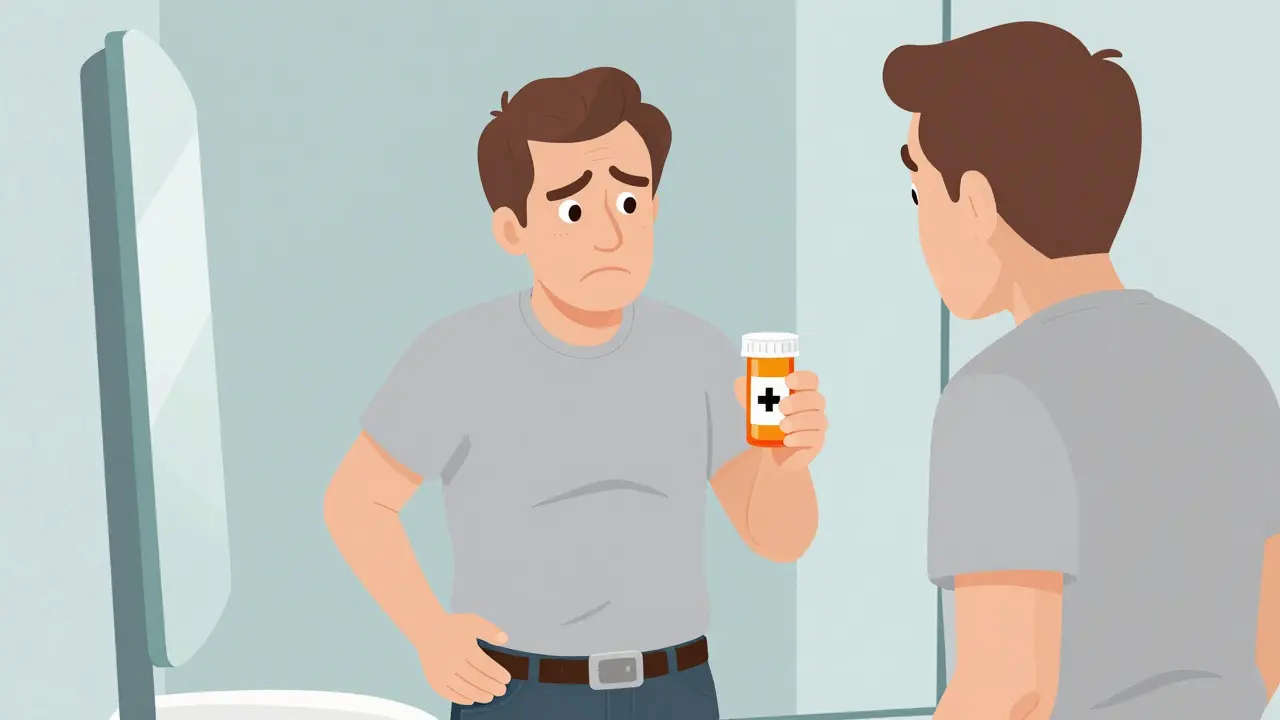
You start taking a new pill for your type 2 diabetes is a chronic condition characterized by high blood sugar levels due to insulin resistance or insufficient insulin production., expecting it to fix your numbers. Instead, you look in the mirror six months later and notice your clothes fitting tighter. You haven't changed what you eat. You haven't stopped walking. So where did those extra pounds come from? For millions of people prescribed sulfonylureas are a class of oral medications that stimulate the pancreas to release more insulin to lower blood glucose levels., this is a frustrating reality. These drugs work well to drop blood sugar, but they often bring an unwanted guest along for the ride: weight gain.
It’s not just in your head. Research shows that between 25% and 30% of patients on these medications see measurable weight increases. The average gain sits around 2 to 5 kilograms (4 to 11 pounds) over the first year. That might sound small on paper, but if you are already managing metabolic health, every kilogram counts. It makes controlling your glucose harder, raises joint stress, and can impact your confidence. Understanding why this happens-and whether all sulfonylureas are equally guilty-is key to staying on top of your treatment without losing ground on your waistline.
How Sulfonylureas Work (And Why They Add Pounds)
To understand the weight gain, you have to look at how these drugs actually function inside your body. Sulfonylureas don’t make your body use insulin better; they force your pancreas to pump out more of it. They do this by closing specific channels in the beta cells of your pancreas, triggering a massive release of stored insulin.
Here is the catch: insulin is a storage hormone. Its job is to tell your body to take sugar out of the blood and store it as energy. When you flood your system with extra insulin via medication, your body shifts into 'storage mode.' It becomes much harder for your fat cells to break down stored energy because insulin blocks that process. Additionally, some studies suggest that sulfonylureas may directly affect adipocytes (fat cells), increasing calcium levels within them and stimulating lipogenesis-the creation of new fat tissue.
There is also a secondary effect called hypoglycemia. Because these drugs push insulin production regardless of whether you’ve just eaten a steak or skipped lunch, your blood sugar can drop too low. When that happens, you feel shaky, hungry, and desperate for quick carbs. Most people reach for a snack to fix the crash. This cycle of low blood sugar followed by reactive eating adds significant calories over time, contributing to the scale creeping up.
Not All Sulfonylureas Are Created Equal
If you think all drugs in this class act the same, you might be missing out on a better option. While they share the same mechanism, different sulfonylureas have different potencies and side-effect profiles. A pivotal study published in the *Farmacia Journal* in 2016 highlighted a stark difference between two common agents: glimepiride is a second-generation sulfonylurea known for its potency and longer duration of action. and gliclazide is a second-generation sulfonylurea often associated with fewer cardiovascular risks and potentially less weight gain compared to other agents in the class.
| Medication | Weight Gain Risk | Hypoglycemia Risk | Key Characteristic |
|---|---|---|---|
| Glimepiride | High | Moderate to High | Most potent; strongest association with weight gain in studies |
| Glyburide (Glibenclamide) | High | High | Long-acting; higher risk of severe low blood sugar |
| Glipizide | Moderate | Moderate | Shorter half-life; slightly lower weight gain than glimepiride |
| Gliclazide | Lowest | Lower | Some studies show neutral weight profile; preferred in Europe |
In the Farmacia study, 62.7% of patients who gained weight were on glimepiride, while only 35.3% were on gliclazide. Older research, including a 1988 trial, even reported no weight gain with gliclazide over three years. If you are worried about the scale, ask your doctor if switching to gliclazide or starting with a lower-potency agent like glipizide is appropriate for you. It’s a simple swap that could change your long-term trajectory.
The Cost-Benefit Debate: Why Doctors Still Prescribe Them
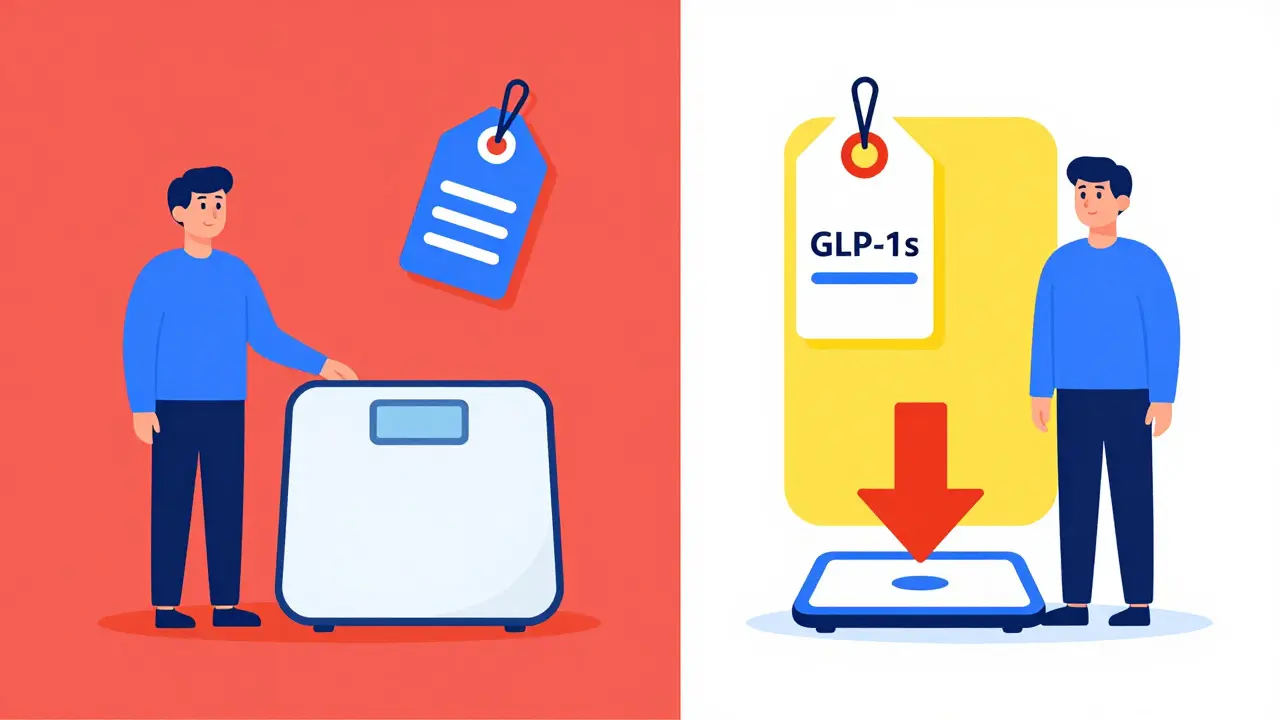
If weight gain is such a big downside, why are sulfonylureas still widely used? The answer comes down to cost and access. In 2022, global sales of sulfonylureas hit $2.8 billion, making up 18% of the oral diabetes market. While newer drugs like GLP-1 agonists (such as semaglutide) and SGLT2 inhibitors (like empagliflozin) offer weight loss benefits, they cost hundreds of dollars more per month. Sulfonylureas can cost as little as $4 to $15 a month in many regions.
For a patient on a fixed income, especially in countries with limited healthcare coverage, the choice isn't always between 'weight loss' and 'weight gain.' It's between 'affordable control' and 'no control.' Dr. Matthew Riddle, a diabetes expert, noted that abandoning these drugs entirely would create huge disparities, as 85% of low-income diabetes patients globally rely on them. However, experts like Dr. John B. Buse warn of a 'therapeutic paradox': your blood sugar drops, but your overall metabolic health might worsen due to the added weight and potential cardiovascular strain.

Better Alternatives Exist (If You Can Access Them)
If cost is not a barrier, there are medications that actively fight weight gain instead of causing it. The landscape of diabetes care has shifted dramatically in the last decade.
- Metformin: Often the first line of defense. It is weight-neutral or leads to modest weight loss (2-3 kg). It improves insulin sensitivity rather than forcing insulin production.
- GLP-1 Receptor Agonists: Drugs like liraglutide and semaglutide mimic gut hormones that signal fullness. Clinical trials show consistent weight loss of 3-7 kg, and sometimes much more. They also protect heart health.
- SGLT2 Inhibitors: Medications like dapagliflozin and empagliflozin help your kidneys flush excess sugar through urine. This calorie loss typically results in 2-3 kg of weight loss and offers kidney and heart protection.
A 2022 meta-analysis in *Diabetes Care* confirmed that while sulfonylureas cause weight gain, these newer classes consistently promote weight loss. If your BMI is over 35 kg/m², the American Association of Clinical Endocrinologists specifically advises against using sulfonylureas as a primary therapy due to these weight concerns.
Strategies to Mitigate Weight Gain on Sulfonylureas
Maybe you need to stay on a sulfonylurea right now. Maybe you can't afford the newer options yet. That doesn't mean you have to accept the weight gain passively. You can take active steps to counteract the drug's effects.
- Combine with Metformin: Don't take the sulfonylurea alone if possible. The Farmacia Journal study found that patients on a combination of sulfonylurea and metformin gained 1.2 kg less than those on sulfonylureas alone. Metformin helps blunt the insulin surge.
- Watch for Hypoglycemia: Keep glucose tabs or hard candy nearby. If your blood sugar drops below 70 mg/dL, treat it immediately. But avoid 'over-treating' with large meals. Just enough to raise the number is sufficient. Over-eating after a low event is a major source of unwanted calories.
- Time-Restricted Eating: A 2024 study presented at the ADA Scientific Sessions showed that limiting your eating window to 8 hours reduced sulfonylurea-associated weight gain by 78%. By aligning your food intake with your body's natural insulin sensitivity peaks, you reduce the total insulin demand.
- Monitor Monthly: Weigh yourself once a week. If you see a steady increase of more than 3% of your baseline body weight in six months, talk to your doctor. The European Association for the Study of Diabetes recommends considering a switch at this threshold.
- Strength Training: Muscle tissue burns glucose without needing as much insulin as fat tissue does. Adding resistance training twice a week can improve your insulin sensitivity, allowing you to potentially lower your sulfonylurea dose over time.
Real Patient Experiences: The Human Side
Data gives us averages, but patients live the reality. On the American Diabetes Association community forums, 68% of users reported weight gain as a 'significant problem' while on sulfonylureas. One user, 'Type2Warrior87,' shared a common story: "After 9 months on glipizide, I gained 12 pounds despite unchanged diet/exercise - switched to metformin and lost it all back in 6 months."
However, others find value in the simplicity and cost. User 'DiabetesSurvivor' noted, "At $8/month for glyburide, I accept the 5-pound gain for effective glucose control when I couldn't afford newer medications." This highlights the difficult trade-offs many face. Your experience will depend on your metabolism, your lifestyle, and which specific drug you are taking. There is no one-size-fits-all outcome, but being aware of the risk allows you to manage it proactively.
What Comes Next?
The future of sulfonylureas looks increasingly niche. Market share is declining, projected to drop to 12% by 2030 as GLP-1s and SGLT2 inhibitors become more affordable. New formulations, like fixed-dose combinations of glyburide and extended-release metformin, aim to reduce side effects while keeping costs low. Time-restricted eating and personalized dosing strategies are becoming standard advice to mitigate weight issues.
If you are currently taking a sulfonylurea and struggling with weight, you are not alone, and you are not powerless. Review your specific medication-switching from glimepiride to gliclazide might help. Ask about adding metformin. Focus on preventing hypoglycemic snacks. And keep an open dialogue with your healthcare provider about transitioning to weight-loss-promoting therapies if your financial situation allows. Your diabetes management should support your overall health, not compromise it.
How much weight do people typically gain on sulfonylureas?
On average, patients gain between 2 to 5 kilograms (4 to 11 pounds) during the first year of treatment. However, individual experiences vary widely, with some gaining significantly more, especially if they experience frequent hypoglycemia and compensate by eating more.
Is gliclazide better than glimepiride for weight gain?
Yes, evidence suggests gliclazide has a lower risk of weight gain compared to glimepiride. Studies indicate that glimepiride is strongly associated with weight increase, whereas gliclazide has shown a more neutral weight profile in several clinical trials.
Can I lose the weight gained from sulfonylureas?
Yes. Many patients report losing the weight after switching to alternative medications like metformin, GLP-1 agonists, or SGLT2 inhibitors. Even while staying on sulfonylureas, combining the drug with metformin, practicing time-restricted eating, and avoiding over-treatment of low blood sugar can help reverse or prevent further gain.
Why do sulfonylureas cause weight gain?
Sulfonylureas stimulate the pancreas to release more insulin. Insulin is a storage hormone that promotes fat storage and inhibits fat breakdown. Additionally, these drugs can cause low blood sugar (hypoglycemia), leading to increased hunger and snacking, which adds extra calories.
Are there diabetes medications that cause weight loss?
Yes. GLP-1 receptor agonists (such as semaglutide and liraglutide) and SGLT2 inhibitors (such as empagliflozin and dapagliflozin) are known to promote weight loss. Metformin is generally weight-neutral or causes modest weight loss. These are often preferred for patients with obesity or high cardiovascular risk.
Should I stop taking my sulfonylurea if I'm gaining weight?
Do not stop taking your medication without consulting your doctor. Stopping abruptly can lead to dangerously high blood sugar. Instead, discuss your concerns with your healthcare provider. They may adjust your dose, switch you to a different sulfonylurea like gliclazide, or transition you to a medication with a better weight profile.
How does cost affect the choice between sulfonylureas and newer drugs?
Sulfonylureas are significantly cheaper, often costing under $15 per month, while newer agents like GLP-1s can cost hundreds of dollars monthly. For many patients, especially those with limited insurance coverage, sulfonylureas remain the most accessible option for maintaining glycemic control, despite the weight gain risk.
Does time-restricted eating help with sulfonylurea weight gain?
Recent research indicates that time-restricted eating (limiting food intake to an 8-hour window) can reduce sulfonylurea-associated weight gain by up to 78%. This approach helps align insulin secretion with food intake, reducing the overall insulin load and preventing unnecessary fat storage.