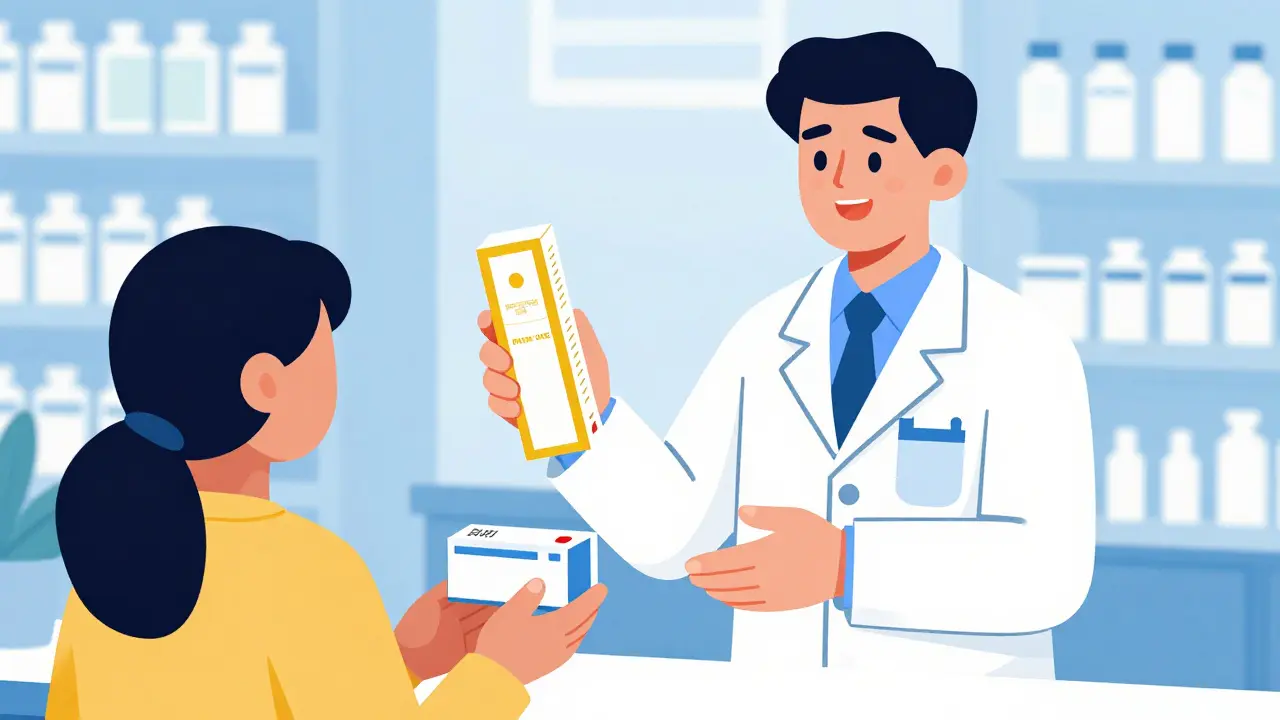
Picture this: you walk into a pharmacy with a prescription for a high-priced brand-name medication. The pharmacist hands you a box that looks different, costs a fraction of the price, and bears a completely different name. It’s the same drug, right? That is the promise of generic medicine. But how can you be sure it works exactly like the original?
The answer lies in a rigorous, science-heavy regulatory process overseen by the U.S. Food and Drug Administration (FDA). For decades, the agency has ensured that every generic drug approved in the United States is therapeutically equivalent to its brand-name counterpart. This system doesn’t just save money; it protects public health by guaranteeing safety, efficacy, and quality.
In 2023 alone, generics accounted for approximately 90% of all prescriptions filled in the U.S., saving the healthcare system an estimated $313 billion annually. But behind those staggering savings is a complex web of laws, chemical tests, and clinical trials designed to prove one thing: the generic version delivers the same medical benefit as the brand.
The Legal Foundation: The Hatch-Waxman Act
To understand how generics are approved today, we have to look back to 1984. Before then, the pharmaceutical landscape was dominated by expensive brand-name drugs with no affordable alternatives. Congress passed the Drug Price Competition and Patent Term Restoration Act, commonly known as the Hatch-Waxman Act. This legislation created a balanced legal pathway that allowed generic manufacturers to bring cheaper versions to market without repeating the massive, costly animal and human trials already conducted for the original brand-name drug.
The act established the Abbreviated New Drug Application (ANDA) system. Instead of proving a drug is safe and effective from scratch, generic manufacturers only need to prove their product is bioequivalent to the "Reference Listed Drug" (RLD)-the original brand-name medication. The FDA’s Office of Generic Drugs (OGD), part of the Center for Drug Evaluation and Research (CDER), oversees this entire process.
What Is Bioequivalence? The Core Scientific Standard
Bioequivalence is the gold standard for generic drug approval. It ensures that the generic drug behaves in your body the same way the brand-name drug does. But what does that actually mean in scientific terms?
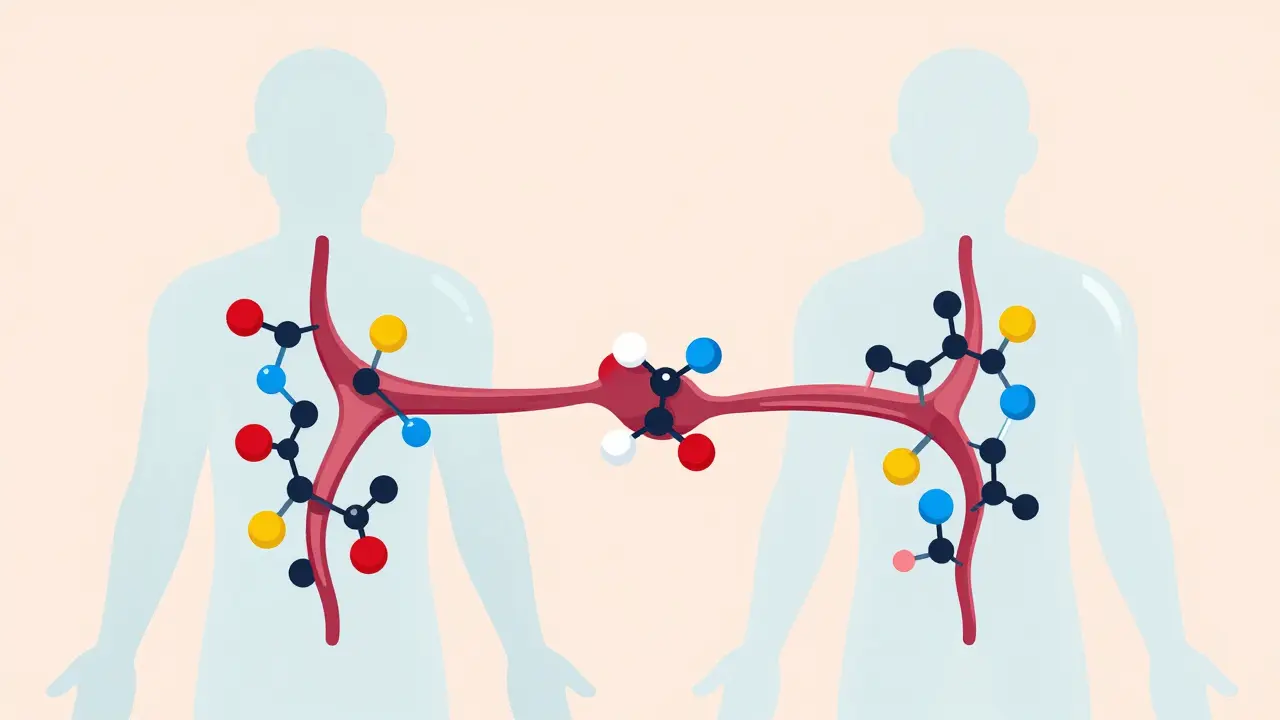
According to FDA guidance documented in 21 CFR Part 320, a generic drug must demonstrate that the rate and extent of absorption of the active ingredient into the bloodstream fall within a specific range compared to the brand. Specifically, the 90% confidence interval of the geometric mean test/reference ratios for two key metrics must fall between 80% and 125%:
- AUC (Area Under the Curve): This measures the total amount of drug that enters your circulation over time.
- Cmax (Maximum Concentration): This measures the highest level of drug reached in your blood.
If these numbers stay within that 80-125% window, the FDA considers the drugs bioequivalent. These studies typically involve 24 to 36 healthy volunteers who take both the brand and generic versions under controlled conditions. Blood samples are taken at precise intervals to track how the body processes each medication.
For most drugs, this range is wide enough to account for normal biological variation but narrow enough to ensure therapeutic consistency. However, for Narrow Therapeutic Index (NTI) drugs-medications like levothyroxine or warfarin where small differences in blood concentration can cause treatment failure or toxicity-the FDA applies stricter criteria. For these products, the acceptance range tightens to 90-111%, ensuring even greater precision.
| Requirement | Brand-Name Drug (NDA) | Generic Drug (ANDA) |
|---|---|---|
| Active Ingredient | Must be novel and proven safe/effective | Must be identical to brand |
| Dosage Form & Strength | Defined by manufacturer | Must match brand exactly (±5% tolerance) |
| Clinical Trials | Full preclinical and clinical studies required | Not required; relies on brand's data |
| Bioequivalence Study | N/A (establishes baseline) | Required (80-125% confidence interval) |
| Review Timeline | Often 10+ years including development | Targeted at 10 months for review |
Quality Control: Manufacturing and Ingredients
Bioequivalence is only half the story. A generic drug must also meet the same strict quality standards as the brand-name version. This means the manufacturing facilities, testing procedures, and labeling must comply with Current Good Manufacturing Practices (cGMP), codified in 21 CFR Parts 210 and 211.
The FDA conducts annual inspections of these facilities to ensure batch-to-batch consistency. Every pill, capsule, or liquid dose must meet identity, strength, purity, and quality standards. For example, content uniformity must adhere to USP <905> standards, meaning each unit contains 85-115% of the labeled claim.
What about inactive ingredients? Yes, generics can contain different fillers, binders, or dyes than the brand. However, these inactive ingredients must be present in safe quantities as established by the FDA’s Inactive Ingredient Database. This database tracks concentration limits for over 500 excipients across 80 different routes of administration. While the color or shape might differ, the active medicinal component remains identical.
The Approval Process: From Submission to Shelf
Getting a generic drug approved is not instantaneous. Manufacturers submit an ANDA, which includes comprehensive chemistry, manufacturing, and controls (CMC) data. This submission can span 30,000 to 50,000 pages, organized according to the Common Technical Document (CTD) format. The bioequivalence section alone often comprises 5,000 to 10,000 pages of raw data and statistical analyses.
The review process involves several distinct phases:
- Filing Review (60 days): The FDA determines if the application is complete. About 35% of initial submissions receive "Refuse-to-File" letters due to major deficiencies.
- Substantive Review: Teams of chemists, statisticians, and pharmacologists evaluate the data. They check for adequate bioequivalence studies, manufacturing process issues, and labeling discrepancies.
- Facility Inspection: Inspectors visit the manufacturing plant to verify compliance with cGMP. Facility issues accounted for 21% of Complete Response Letters (CRLs) issued in 2022.
Under the Generic Drug User Fee Amendments (GDUFA), first implemented in 2012 and reauthorized through 2027, the FDA has set performance goals for review timelines. Standard reviews are targeted at 10 months from submission to approval decision. In fiscal year 2022, the FDA achieved a 91.3% completion rate for standard reviews within this timeframe, approving 777 ANDAs, including 107 first-time generic drugs.
Real-World Evidence: Do Patients Notice a Difference?
Despite the rigorous science, some patients report feeling a difference when switching from brand to generic. Is this real, or is it the placebo effect? Data suggests the latter is more common, but nuances exist.
A 2023 analysis by the IQVIA Institute for Human Data Science examined 15 million patient records and found no statistically significant difference in clinical outcomes between brand-name and generic versions of 20 commonly prescribed medications, including atorvastatin and metformin. In fact, adherence rates were 3.2% higher for generics, likely due to lower out-of-pocket costs.
However, challenges remain for complex dosage forms. Topical creams, inhalers, and injectable emulsions pose greater bioequivalence hurdles. The FDA’s Complex Generic Drug Products Working Group reported that 45% of CRLs for complex generics in 2022 related to inadequate demonstration of equivalence for these products. Additionally, a 2020 JAMA Internal Medicine analysis noted that 11% of physicians expressed clinical concerns about generic substitution for NTI drugs, though the FDA maintains that current standards provide assurance of therapeutic equivalence for the vast majority of products.
The Future of Generic Drug Approval
The landscape of generic drugs is evolving. With major blockbusters like Humira losing patent protection, the global generic pharmaceuticals market reached $441.7 billion in 2023. The FDA is adapting to this growth through initiatives like GDUFA III, which allocates $1.1 billion in user fees through 2027 to reduce review times further-to 8 months for standard applications and 6 months for priority reviews.
Looking ahead, the FDA plans to implement a new approval pathway for biosimilars by 2025, extending the generic model to complex biologic drugs. Additionally, the Real-Time Oncology Review pilot program, expanded to include generic oncology drugs in 2023, aims to cut approval times for critical cancer generics by 30%. These efforts underscore the FDA’s commitment to maintaining a robust, efficient, and scientifically sound system that keeps medicines accessible and affordable for millions of Americans.
Are generic drugs really as effective as brand-name drugs?
Yes. The FDA requires generic drugs to be bioequivalent to brand-name drugs, meaning they deliver the same amount of active ingredient into your bloodstream within the same timeframe. Clinical studies consistently show no significant difference in effectiveness for the vast majority of medications.
Why do generic pills look different from brand-name pills?
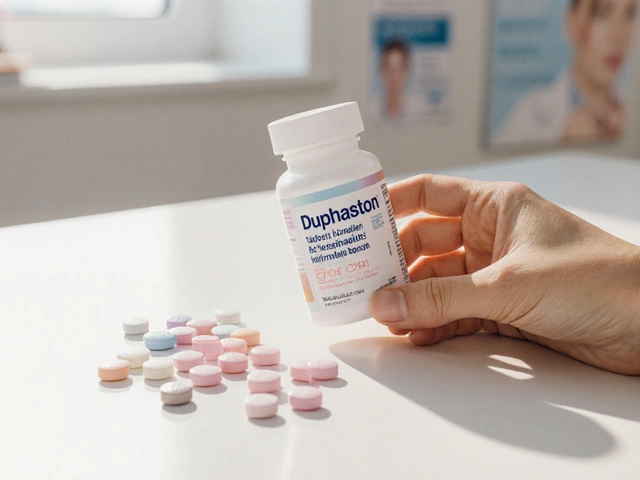
Generic drugs can have different colors, shapes, and inactive ingredients (like fillers or dyes) because patents protect the brand’s specific appearance. However, the active ingredient-the part that treats your condition-must be identical in strength and composition.
What is the Hatch-Waxman Act?
The Hatch-Waxman Act of 1984 created the legal framework for generic drug approval in the U.S. It allows generic manufacturers to rely on the safety and efficacy data of the original brand-name drug, streamlining the approval process while protecting intellectual property rights through patent extensions for innovators.
How long does it take for the FDA to approve a generic drug?
Under current GDUFA agreements, the FDA targets a 10-month review period for standard generic drug applications. Priority reviews may take as little as 6 months. The actual timeline can vary based on the complexity of the drug and whether additional information is requested during the review.
Are there any risks associated with taking generic medications?
For most patients, the risks are minimal and comparable to brand-name drugs. However, for individuals taking Narrow Therapeutic Index (NTI) drugs or complex formulations like inhalers, close monitoring by a healthcare provider is recommended to ensure consistent therapeutic effects.



Alexandre Desbiens
5 June, 2026 . 14:00 PM
It is worth noting that while the active ingredient must be identical, the inactive ingredients can vary significantly. This often leads to differences in tablet size or color, which some patients find disorienting. However, as long as these excipients are within safety limits established by the FDA, they do not impact therapeutic efficacy. The Hatch-Waxman Act fundamentally changed the landscape by allowing manufacturers to rely on existing safety data, thus accelerating market entry for affordable alternatives.
Jonathan Paul
6 June, 2026 . 08:59 AM
you think you know what you are taking but you really dont. big pharma wants you to pay more because they say their version is better. its all about control and profit margins. the fda is just a puppet for the industry anyway so why should we trust them? wake up sheeple. the truth is hidden in the fine print of those patents. stop letting them dictate your health care choices based on corporate greed.
Roderick Gooden
6 June, 2026 . 17:51 PM
I have been working in pharmaceutical logistics for over fifteen years and I can tell you that the supply chain for generic drugs is incredibly robust and well-regulated compared to what many people believe. The idea that there is a massive conspiracy to undermine public health through generic substitution is completely unfounded and ignores the rigorous Good Manufacturing Practices that every facility must adhere to under federal law. When you look at the actual data regarding adverse event reports, there is no statistically significant difference between brand-name and generic medications across almost all therapeutic classes except perhaps for some narrow therapeutic index drugs where monitoring is advised. The savings generated by generic adoption allow healthcare systems to allocate resources to other critical areas such as mental health services and preventive care programs that benefit millions of underserved populations who otherwise would not have access to necessary treatments due to cost barriers alone. It is important to recognize that the regulatory framework established by the Hatch-Waxman Act was designed specifically to balance innovation incentives with public access to affordable medicine, and decades of evidence support its effectiveness in achieving both goals simultaneously without compromising patient safety or treatment outcomes in any meaningful way.
ANGELA CHINENYE
8 June, 2026 . 04:23 AM
As a pharmacist, I see patients worry about switching from brand to generic daily. The key point is bioequivalence. The FDA requires strict testing. Most generics work exactly the same. Some patients report side effects from different fillers. This is rare but possible. Always consult your doctor if concerned. Do not stop medication without advice. Trust the process. Save money safely.
Aishwarya Thankachan
8 June, 2026 . 16:51 PM
OMG yes! 💊✨ Bioequivalence is KEY 🔑📈 AUC & Cmax must match 📊✅ Inactive ingredients vary but safe 🛡️💖 Don't fall for brand hype 🚫💸 Generics save billions 💰🌍 Trust the science 🧪🔬 #PharmaFacts #GenericGoodness
Jerry Mathews
10 June, 2026 . 01:28 AM
Hey guys, just wanted to chime in here. I used to be skeptical about generics too, especially for my thyroid meds. But after talking to my endocrinologist, he explained the NTI rules and how tighter standards apply to those specific drugs. It really put my mind at ease. Now I stick with one manufacturer if possible, but I don't stress over the brand name anymore. Hope this helps anyone else on similar meds!
Aswin Narayan J
10 June, 2026 . 18:47 PM
This article is garbage. You people are clueless about how the system really works. The FDA is corrupt and the generics are substandard. I've seen patients suffer because of bad batches. Stop spreading this propaganda. Real doctors know the truth. Your sources are biased. Wake up and smell the coffee. The industry is rigged against you. Don't trust these cheap pills.
Jennifer Legore
10 June, 2026 . 23:49 PM
What an excellent summary of the regulatory process! :) It is truly inspiring to see how science and policy intersect to improve public health. The dedication of the FDA reviewers is commendable. We should all appreciate the rigorous standards that ensure our medications are safe and effective. Let us continue to support evidence-based medicine and advocate for accessible healthcare solutions. Together, we can make a difference! :)
Alyssa Zucker
11 June, 2026 . 00:40 AM
I read this quietly and nodded along. It's nice to have clarity on something so confusing. I'll keep taking my generics.
Francis Saul
11 June, 2026 . 13:21 PM
good info here. i think people get scared because the pills look diffrent. but the inside is the same. just talk to your doc if u feel weird. dont be afraid to ask questions. its ok to be cautious but dont let fear stop u from saving money. hope everyone stays healthy.